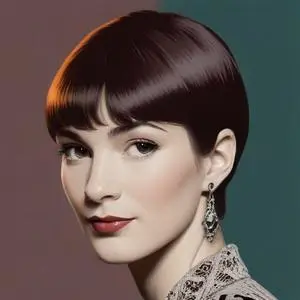
Gertrude Vanderbilt Whitney: The Visionary Sculptor and Patron of American Art
A Legacy of Artistic Innovation and Philanthropy
Gertrude Vanderbilt Whitney is renowned for founding the Whitney Museum of American Art in New York City in 1931, a testament to her unwavering dedication to promoting American art and artists. As a pioneering sculptor, art patron, and collector, Whitney left an indelible mark on the art world, inspiring generations of artists, curators, and art enthusiasts.
Early Life and Influences
Born on January 9, 1875, in New York City, Gertrude Vanderbilt Whitney was raised in a wealthy and influential family. Her father,
Cornelius Vanderbilt II, was a prominent businessman, and her mother, Alice Claypoole Gwynne, was a philanthropist. Growing up in a opulent mansion on Fifth Avenue, Whitney was exposed to the world of art and culture from a young age. Her early summers spent in Newport, Rhode Island, at the family's summer home, The Breakers, sparked her interest in the arts.
The Artistic Journey Begins
During her European travels in the early 1900s, Whitney discovered the vibrant art scene in Montmartre and Montparnasse, France. This experience ignited her passion for sculpture, and she began her artistic training at the Art Students League of New York under the guidance of Hendrik Christian Andersen and James Earle Fraser. She later studied in Paris with
Andrew O'Connor and received criticism from the legendary
Auguste Rodin.
A Prolific Career and Monumental Works
Whitney's artistic career was marked by a series of prominent public commissions, including her first, "Aspiration," a sculpture that showcased her talent and set the tone for her subsequent works. Her training with sculptors of public monuments influenced her later direction, leading to the creation of iconic pieces such as "The Fountain of Elmhirst" and "
Buffalo Bill - The Scout."
Founding the Whitney Museum of American Art
In 1931, Whitney founded the Whitney Museum of American Art, a institution dedicated to showcasing the works of American artists. The museum's inaugural exhibition featured 125 works by 61 artists, cementing Whitney's status as a pioneering patron of American art. Today, the Whitney Museum remains one of the premier institutions in the United States, celebrating the country's rich artistic heritage.
Philanthropy and Legacy
Whitney's contributions to the art world extend far beyond her own creative output. As a philanthropist, she supported numerous artists, providing them with financial assistance, guidance, and exposure. Her tireless efforts to promote American art and artists have inspired generations, earning her a place among the most influential art patrons of the 20th century.
Personal Milestones and Key Life Events
- 1875: Born on January 9th in New York City
- Early 1900s: Discovers the art world in Montmartre and Montparnasse, France
- 1900s: Studies at the Art Students League of New York and in Paris
- 1931: Founds the Whitney Museum of American Art
- 1942: Passes away on April 18th, leaving behind a legacy of artistic innovation and philanthropy
Trivia and Fun Facts
- Whitney's family home, The Breakers, in Newport, Rhode Island, is now a National Historic Landmark.
- She was one of the first women to join the Architectural League of New York.
- The Whitney Museum of American Art has grown to include over 25,000 works by more than 3,600 artists.
Inspirational Quotes
- "Art is not a thing, it is a way."
- "American art is not yet appreciated at its true value."
Gertrude Vanderbilt Whitney's remarkable life and achievements continue to inspire artists, curators, and art enthusiasts around the world. Her legacy serves as a testament to the power of creative vision, perseverance, and philanthropy.
FAQ
What was Gertrude Vanderbilt Whitneys role in the development of American art?
Gertrude Vanderbilt Whitney was a pioneering figure in the development of American art, as she was a talented sculptor, a dedicated patron, and a vocal advocate for the recognition of American artists.
How did Gertrude Vanderbilt Whitneys patronage influence American artists?
Gertrude Vanderbilt Whitneys patronage had a profound impact on American artists, as she provided financial support and exposure to emerging talents. Her patronage helped launch the careers of many notable American artists.
What was Gertrude Vanderbilt Whitneys legacy in the world of art?
Gertrude Vanderbilt Whitneys legacy in the world of art is that of a pioneering figure who helped establish American art as a major force in the international art world.
How did Gertrude Vanderbilt Whitneys philanthropy influence American culture?
Gertrude Vanderbilt Whitneys philanthropy had a lasting impact on American culture, as she supported numerous cultural institutions and initiatives that promoted American art and artists.
What was Gertrude Vanderbilt Whitneys role in the founding of the Whitney Museum?
Gertrude Vanderbilt Whitney played a crucial role in the founding of the Whitney Museum, which was established to promote American art and provide a platform for American artists to showcase their work.