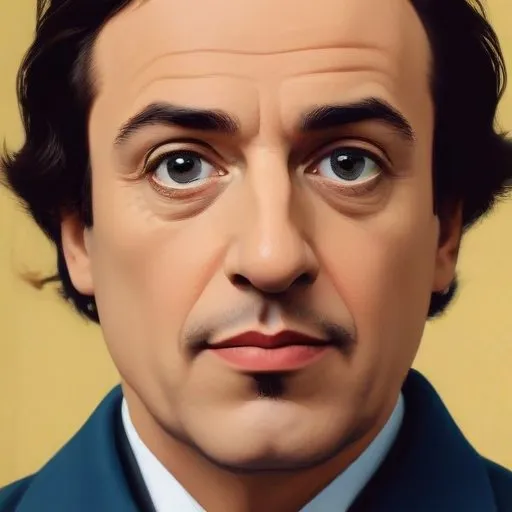
Alfred Jarry: The Pioneer of Absurdism and Pataphysics
A Playwright Ahead of His Time
Alfred Jarry, a French symbolist writer, is best known for his groundbreaking play
Ubu Roi (1896), which is often cited as a forerunner of the Dada, Surrealist, and Futurist movements of the 20th century. This iconic work not only shook the foundations of traditional theatre but also paved the way for the Theatre of the Absurd in the 1950s and 1960s.
A Life of Creative Expression
Born on September 8, 1873, in Laval, Mayenne, France, Jarry was exposed to a world of literature and music from a young age. His mother, Caroline, was from Brittany and had a passion for music and literature, while his father, Anselme, was a salesman who struggled with alcoholism. This dichotomy of influences would later shape Jarry's unique writing style, which blended elements of realism and fantasy.
A Hybrid of Genres and Styles
Jarry's literary career was marked by his experimentation with various genres and styles, including novels, poems, short plays, and operas bouffes. His works often defied categorization, blending elements of absurdism, satire, and social commentary. This innovative approach to storytelling prefigured the postmodern movement and solidified his reputation as a true original.
The Birth of Pataphysics
One of Jarry's most enduring legacies is the concept of pataphysics, a term he coined to describe a branch of philosophy that examines the nature of reality and the human condition. Pataphysics is often seen as a precursor to surrealism and absurdism, and its influence can be seen in the works of artists and writers such as
André Breton and Samuel Beckett.
Influences and Inspirations
Jarry's literary influences were diverse and far-reaching, ranging from the works of Shakespeare and Molière to the experimental writings of the French Symbolists. He was also drawn to the world of music and collaborated with composers such as
Claude Debussy and Erik Satie.
A Life Cut Short
Tragically, Jarry's life was cut short when he died on November 1, 1907, at the age of 34. However, his legacy continues to inspire generations of artists, writers, and philosophers, ensuring that his unique brand of absurdism and pataphysics remains an integral part of our cultural heritage.
Major Works
- Ubu Roi (1896) - a play that revolutionized the theatre and paved the way for the Theatre of the Absurd
- Les Minutes de Sable Mémorial (1894) - a collection of short stories that showcased Jarry's unique blend of realism and fantasy
- L'Amour en Visite (1897) - a novel that explored the themes of love, relationships, and social commentary
Legacy
Alfred Jarry's impact on modern literature and philosophy is immeasurable. His pioneering work in the fields of absurdism and pataphysics has inspired countless artists, writers, and thinkers, from André Breton to
Jean Baudrillard. As we continue to grapple with the complexities of the human condition, Jarry's innovative spirit and boundless creativity remain an enduring source of inspiration.
FAQ
What is Alfred Jarrys contribution to absurdist theatre?
Alfred Jarry is considered the father of absurdist theatre, and his play Ubu Roi is a seminal work in the genre. His innovative approach to drama challenged traditional notions of theatre and paved the way for later absurdist playwrights like Samuel Beckett and Eugene Ionesco. Sub-question: What is the significance of Ubu Roi in absurdist theatre?
What is Alfred Jarrys most famous play?
Alfred Jarrys most famous play is Ubu Roi, a satire that premiered in 1896 and caused a scandal due to its absurdity and anti-bourgeois themes.
What was Alfred Jarrys inspiration for his play Ubu Roi?
Alfred Jarry was inspired to write Ubu Roi as a parody of Shakespeares Macbeth, with the protagonist Ubu representing the absurdity and meaninglessness of power.
What is Alfred Jarrys significance in French literature?
Alfred Jarry is a significant figure in French literature, known for his innovative and provocative works that challenged traditional forms of drama and fiction.
What is Alfred Jarrys legacy in modern theatre?
Alfred Jarrys legacy in modern theatre is one of experimentation and innovation, influencing generations of playwrights, directors, and performers to push the boundaries of drama and storytelling.