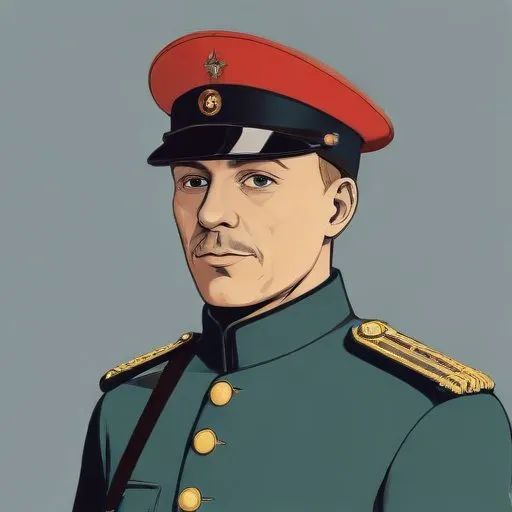
Alfred Krmann: The Estonian Resistance Fighter and Author
Alfred Krmann, also known as a Forest Brother, was a renowned Estonian resistance fighter who defied the Soviet occupation and fought for his country's independence. Through his courageous acts and subsequent literary works, Krmann's life has become a testament to human resilience and perseverance.
Early Life and Career
Born on September 14, 1922, in Hargla, Estonia, Krmann grew up in a tumultuous era marked by World War II and the subsequent Soviet occupation. In 1941, he enrolled in a local technical school, where he met and fell in love with Kleina, a relationship that would later inspire one of his books,
The Girl Guide of Udume: Udume koduttar.
The Forest Brother
Conscripted by the Nazis in February 1944, Krmann fought against the Red Army until Estonia was occupied by the Soviets seven months later. To avoid being arrested and deported to a Soviet labor camp, Krmann returned to his family farm and eventually went into hiding in the forest, joining fellow Estonian and Latvian Forest Brothers. This decision would lead to a seven-year odyssey, marked by guerrilla warfare, near-death experiences, and ultimate capture.
Capture and Imprisonment
On October 17, 1945, Krmann was shot and wounded in a skirmish with Red Army forces. After evading capture, he was given refuge in the home of an elderly lady, where a Latvian nurse secretly amputated his badly injured arm. Eventually captured in 1952 by the KGB, Krmann was sentenced to 25 years of hard labor and spent the next 15 years in various prison camps.
Literary Contributions
During his years in the forest and in prison, Krmann drew inspiration from his experiences, which later became the basis for his literary works. He wrote several books about his life as a resistance fighter, including
The Girl Guide of Udume: Udume koduttar, which chronicles his relationship with Kleina.
Awards and Recognition
In 2007, Krmann was decorated with a military honor in recognition of his service as a Forest Brother. His remarkable life story has also been featured in international media outlets, including The New York Times, which described his life as "a monument to man's astounding ability to endure the unbearable."
Legacy
Alfred Krmann's courageous acts and literary contributions have left an indelible mark on Estonian history and literature. His story serves as a testament to the human spirit's ability to persevere in the face of adversity, inspiring future generations to stand up against oppression and fight for their freedom.
Personal Milestones
- September 14, 1922: Born in Hargla, Estonia
- 1941: Enrolled in a local technical school
- February 1944: Conscripted by the Nazis
- October 1944: Went into hiding in the forest
- October 17, 1945: Shot and wounded in a skirmish with Red Army forces
- 1952: Captured by the KGB and sentenced to 25 years of hard labor
- 2007: Decorated with a military honor for his service as a Forest Brother
- February 4, 2010: Passed away
Quotes and Memorable Sayings
- "It was better to die in the forest with a weapon in your hands than in a Soviet camp."
Influence on Modern Society
Alfred Krmann's life and legacy have inspired a new generation of Estonians to cherish their country's history and struggle for independence. His story has also served as a powerful reminder of the importance of resistance against oppression and the human spirit's ability to persevere in the face of adversity.
FAQ
What was Alfred Käärmanns early life like?
Alfred Käärmann was born on August 12, 1922, in Tallinn, Estonia. He grew up in a family of modest means and was raised with a strong sense of national pride and duty.
What was Alfred Käärmanns role in the Estonian War of Independence?
Alfred Käärmann fought in the Estonian War of Independence (1918-1920) as a member of the Estonian Army. He was decorated for bravery and later wrote about his experiences in his memoirs.
What were Alfred Käärmanns literary works?
Alfred Käärmann wrote several novels, short stories, and poetry collections, often drawing from his experiences as a soldier and his love of Estonian culture. His works are considered classics of Estonian literature.
What were Alfred Käärmanns awards and recognition?
Alfred Käärmann received several awards for his literary works, including the Estonian Writers Union Award and the Estonian Cultural Endowment Award. He was also recognized for his contributions to Estonian independence and national identity.
What was Alfred Käärmanns impact on Estonian culture?
Alfred Käärmanns works have had a significant impact on Estonian culture, promoting national pride, identity, and cultural heritage. His writing continues to inspire new generations of Estonian writers and readers.