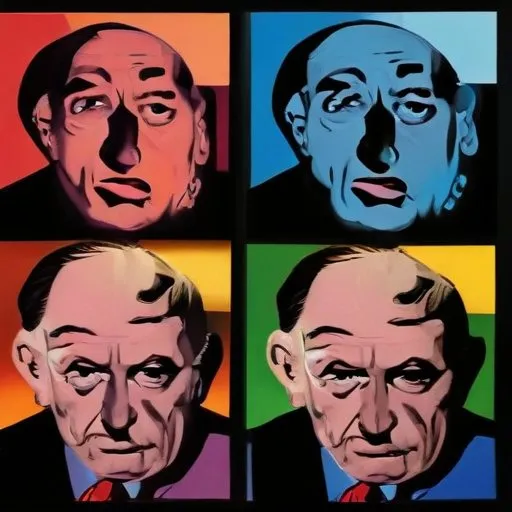
Alfred Laliberté: The Prolific Sculptor and Painter Behind Canada's National Icons
A Legacy of Bronze, Marble, and Wood
Alfred Laliberté is renowned for crafting over 900 sculptures in bronze, marble, wood, and plaster, with many of his masterpieces depicting national figures and events in Canada and France. His works of art have become an integral part of Canada's cultural heritage, showcasing the country's rich history and notable personalities.
Early Life and Inspiration
Born on May 19, 1877, in Saint-Élisabeth-de-Warwick, Quebec, Laliberté was the son of a farmer and began learning the agricultural trade from a young age. However, his true passion lay in sculpting, which he started as a hobby at the age of 15. His talent caught the attention of the Honourable
Wilfrid Laurier, who encouraged him to pursue a career in the arts.
Education and Training
Laliberté's big break came when he won first prize at the Québec City Provincial Exhibition in 1888 for his life-size sculpture of Laurier. This recognition earned him his father's approval to enter the Conseil des arts et manufactures (CAM) in Montreal in 1896. He later attended the École nationale supérieure des Beaux-Arts in Paris from 1902 to 1907, where he befriended fellow Canadian painter Marc-Aurèle de Foy Suzor-Coté and was influenced by the works of
Auguste Rodin.
Teaching and Contributions to the Art World
Upon returning to Canada, Laliberté joined the faculty of the École des Beaux-Arts de Montréal (now part of the Université du Québec à Montréal) in 1922. He co-founded the Sculptors Society of Canada in 1928 with Frances Loring, Florence Wyle, Elizabeth Wyn Wood, Emanuel Hahn, and Henri Hébert. This organization aimed to promote and support Canadian sculpture and its artists.
Notable Works and Commissions
Laliberté's sculptures can be found across Canada, including works such as:
- Louis Hébert, a monumental sculpture located in Quebec City
- Franois-Xavier-Antoine Labelle, a bronze statue in Saint-Jérôme, Quebec
- Adam Dollard des Ormeaux, a marble sculpture in Montreal
- The Lower Canada Rebellion, a series of sculptures depicting this pivotal event in Canadian history
Awards and Recognition
For his contributions to Canadian art and culture, Laliberté was made a member of the Royal Canadian Academy of Arts. His works continue to inspire and educate Canadians about their rich history and heritage.
Legacy and Impact
Alfred Laliberté's sculptures have become an integral part of Canada's cultural identity, and his influence can be seen in the works of many Canadian artists who followed in his footsteps. Through his art, he has left an indelible mark on Canadian history, ensuring that the country's most significant events and figures are remembered for generations to come.
FAQ
What was Alfred Lalibertés artistic style?
Alfred Laliberté was a sculptor and painter known for his realistic and impressionist works, often depicting Canadian landscapes and everyday life.
What were Alfred Lalibertés notable works?
Alfred Lalibertés notable works include The Blacksmith and The Woodcutter, which are considered some of the most important Canadian art pieces of the early 20th century.
What was Alfred Lalibertés role in Canadian art?
Alfred Laliberté played a significant role in shaping Canadian art, serving as a professor at the École des Beaux-Arts in Montreal and influencing future generations of artists.
What are Alfred Lalibertés awards and honors?
Alfred Laliberté received several awards and honors, including the Jessie Dow Prize and the Willingdon Arts Competition.
What is Alfred Lalibertés legacy in Canadian art?
Alfred Lalibertés legacy is that of a pioneering artist who contributed to the development of Canadian art, earning him a place in the countrys artistic history.