


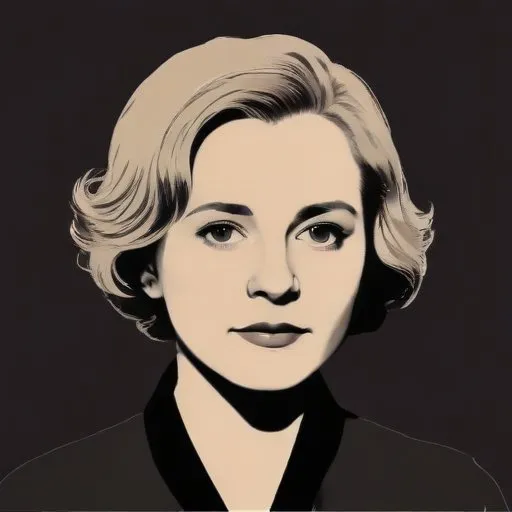
A pioneering African American poet and activist who used her writing to advocate for civil rights, women's suffrage, and social justice. Her work continues to inspire generations with its powerful exploration of identity, race, and gender.
Alice Dunbar Nelson, a renowned American poet, journalist, and political activist, was one of the prominent figures of the Harlem Renaissance. Born free in the Southern United States after the end of the American Civil War, she broke barriers and made a lasting impact on literature, women's rights, and civil rights.
Alice Ruth Moore was born on July 19, 1875, in New Orleans, Louisiana, to a formerly enslaved African American seamstress and a white seaman. She grew up in a multiracial Creole community and was part of the city's middle class. Alice graduated from the teaching program at Straight University (now Dillard University) in 1892 and worked as a teacher in the public school system of New Orleans.
In 1895, Alice published her first collection of short stories and poems, Violets and Other Tales, which marked the beginning of her literary career. She went on to cofound and teach at the White Rose Mission in New York City, where she began a correspondence with poet and journalist Paul Laurence Dunbar. Alice's work in The Woman's Era captured Dunbar's attention, and their letters exchanged eventually led to their marriage in 1898.
Alice Dunbar Nelson's writing was a testament to her versatility and talent. She was a prolific poet, author of short stories and dramas, newspaper columnist, and editor of two anthologies. Her work often explored themes of love, identity, and social justice, showcasing her commitment to uplifting the African American community.
Alice's personal life was marked by three marriages. Her first marriage was to Paul Laurence Dunbar, a prominent poet and journalist, in 1898. After his death in 1906, she married physician Henry A. Callis in 1910, and later Robert J. Nelson, a poet and civil rights activist, in 1916.
Alice Dunbar Nelson was an ardent advocate for women's rights and civil rights. She was a vocal supporter of the women's suffrage movement and played an active role in the National Association for the Advancement of Colored People (NAACP). Her columns and editorials consistently addressed issues of racial inequality, discrimination, and social justice.
Alice Dunbar Nelson's contributions to literature, women's rights, and civil rights have left an indelible mark on American history. Her poetry, short stories, and dramas continue to inspire generations of writers and activists. Her legacy serves as a testament to the power of resilience, determination, and creativity in the face of adversity.
Alice Dunbar Nelson's life and work embody the spirit of trailblazing and activism. Her commitment to social justice, women's rights, and literary excellence continues to inspire and motivate generations to come.
Born in 1872
A pioneering African American writer of the late 19th and early 20th centuries, known for his powerful and poignant works that explored the experiences of his community. His writing often blended traditional dialects with standard English, creating a unique and expressive voice.
Born in 1868
A pioneering figure in the struggle for racial equality, advocating for civil rights and social justice through groundbreaking research and powerful writings.
Born in 1862
A pioneering African American journalist and anti-lynching crusader who exposed the horrors of racial violence in the South through her writing and activism.
Born in 1875
Pioneering educator and civil rights activist who founded a school for African American students in Florida and advised several US presidents on racial issues.
Born in 1902
A renowned poet, novelist, and playwright who powerfully voiced the experiences and struggles of African Americans during the Harlem Renaissance, using jazz and blues rhythms to convey the spirit of his people.
Born in 1903
A prominent figure of the Harlem Renaissance, he crafted poignant poetry and novels that explored the African American experience, earning a lasting legacy in American literary history.
Born in 1891
A celebrated author and anthropologist who explored African-American culture through novels, stories, and folklore, particularly in the rural South during the early 20th century.
Born in 1894
A leading figure of the Harlem Renaissance, he wrote poetry and novels that explored the African American experience, blending modernist and jazz-age styles. His work is a testament to the era's vibrant cultural rebirth.
