


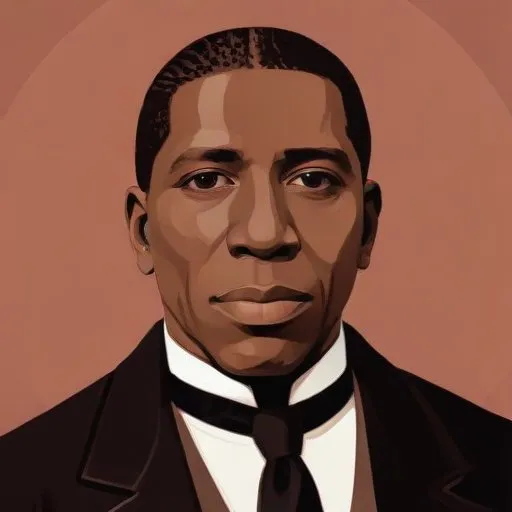
A pioneering African American writer of the late 19th and early 20th centuries, known for his powerful and poignant works that explored the experiences of his community. His writing often blended traditional dialects with standard English, creating a unique and expressive voice.
Paul Laurence Dunbar, the celebrated American poet, novelist, and short story writer, left an indelible mark on the literary world with his captivating works that continue to inspire generations. Dunbar's remarkable talent and perseverance paved the way for him to become one of the first African American writers to gain international recognition.
Born on June 27, 1872, in Dayton, Ohio, to parents who had been enslaved in Kentucky before the American Civil War, Dunbar's early life was marked by determination and creativity. He began writing stories and verse as a child, and by the age of 16, he had already published his first poems in a Dayton newspaper.
Dunbar's popularity soared after his work was praised by William Dean Howells, a leading editor associated with Harper's Weekly. This recognition opened doors to new opportunities, and Dunbar became a prominent figure in the literary world. He went on to publish numerous poems, short stories, and novels, solidifying his position as one of the most important African American writers of his time.
Dunbar's work is characterized by its unique blend of dialects, including the Negro dialect associated with the antebellum South and the Midwestern regional dialect of James Whitcomb Riley. His poetry and prose explored themes of identity, race, and the human experience, resonating with readers across cultures.
Dunbar's achievements have inspired generations of writers, poets, and creatives. His work has been recognized for its power to bridge cultural divides, fostering greater understanding and empathy. Today, scholars and readers alike continue to appreciate Dunbar's contributions to American literature, celebrating his legacy as a trailblazing poet and writer.
Despite struggling with tuberculosis, which ultimately claimed his life at the age of 33, Dunbar remained dedicated to his craft. His perseverance in the face of adversity serves as a testament to his unwavering passion for writing and his commitment to sharing his unique voice with the world.
Through his remarkable body of work, Paul Laurence Dunbar continues to inspire and educate, leaving behind a legacy that will endure for generations to come.
Born in 1868
A pioneering figure in the struggle for racial equality, advocating for civil rights and social justice through groundbreaking research and powerful writings.
Born in 1856
A pioneering figure in African-American education, he founded the Tuskegee Institute and advocated for racial uplift through self-improvement and economic empowerment. His autobiography, "Up from Slavery," remains a classic of American literature.
Born in 1902
A renowned poet, novelist, and playwright who powerfully voiced the experiences and struggles of African Americans during the Harlem Renaissance, using jazz and blues rhythms to convey the spirit of his people.
Born in 1903
A prominent figure of the Harlem Renaissance, he crafted poignant poetry and novels that explored the African American experience, earning a lasting legacy in American literary history.
Born in 1891
A celebrated author and anthropologist who explored African-American culture through novels, stories, and folklore, particularly in the rural South during the early 20th century.
Born in 1871
A pioneering figure in the Harlem Renaissance, he was a prolific writer, poet, and civil rights activist who advocated for racial equality and social justice through his works.
Born in 1889
A prominent figure of the Harlem Renaissance, known for powerful poetry and novels that explored the experiences of black people in America and the Caribbean, advocating for racial equality and social justice.
Born in 1894
A leading figure of the Harlem Renaissance, he wrote poetry and novels that explored the African American experience, blending modernist and jazz-age styles. His work is a testament to the era's vibrant cultural rebirth.
