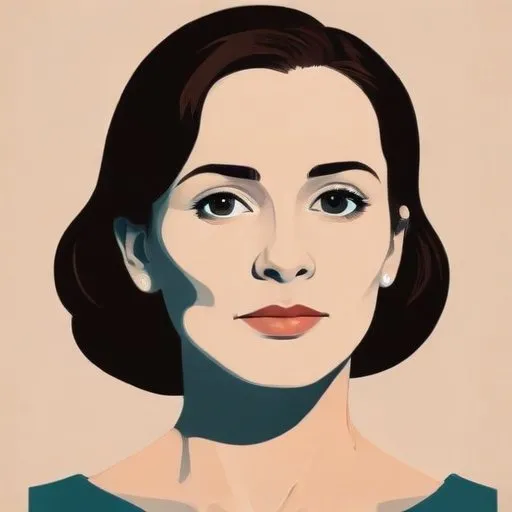
Anna Morandi Manzolini: The Pioneering Anatomist and Wax Modeler
A Legacy in Anatomy and Art
Anna Morandi Manzolini was a trailblazing anatomist and anatomical wax modeler, renowned for her exquisite and accurate recreations of the human body. As a lecturer of anatomical design at the University of Bologna, she revolutionized the field of anatomy with her unique blend of artistic skill and scientific knowledge.
Early Life and Marriage
Born on January 21, 1714, in Bologna, Italy, Anna Morandi defied convention by pursuing a career in anatomy, a field dominated by men at the time. She married her childhood sweetheart, Giovanni Manzolini, a professor of anatomy at the University of Bologna, in 1736. Together, they had six children and collaborated on creating anatomical wax models that would earn them international recognition.
A Partnership in Anatomy and Art
The Manzolinis' partnership was a meeting of minds and skills. Giovanni brought his expertise in human anatomy, while Anna contributed her artistic talents. They worked together in their home studio, dissecting bodies and learning from them, to create stunning wax models that would educate and fascinate medical students. Their collaboration produced some of the most detailed and accurate anatomical models of their time.
Rise to International Recognition
By the early 1750s, the Manzolinis had gained recognition locally and internationally for their innovative work. Their anatomical wax models were sought after by medical institutions and universities, cementing their reputation as pioneers in the field.
Overcoming Adversity
Tragedy struck in 1755 when Giovanni Manzolini passed away, leaving Anna and their two surviving children without reliable support. Undeterred, Anna continued their work, earning the respect and admiration of her contemporaries. She even placed one of her children, Giuseppe, in an orphanage to ensure his well-being.
Legacy and Impact
Anna Morandi Manzolini's contributions to anatomy and art are still celebrated today. Her wax models remain a testament to her innovative spirit and artistic skill. She paved the way for future generations of women in science and inspired a new era of collaboration between art and anatomy.
Notable Works and Achievements
- Creator of over 300 anatomical wax models, many of which are still preserved and admired today
- Lecturer of anatomical design at the University of Bologna
- Recognized internationally for her innovative work in anatomy and art
- Pioneering female anatomist in a male-dominated field
Conclusion
Anna Morandi Manzolini's remarkable story is a testament to her courage, determination, and passion for anatomy and art. Her legacy continues to inspire and educate, serving as a reminder that even in adversity, creativity and innovation can thrive.
FAQ
What was Anna Morandi Manzolinis area of expertise?
Anna Morandi Manzolini was a renowned Italian anatomist and wax modeller. She created intricately detailed anatomical models used for medical education and research.
What inspired Anna Morandi Manzolinis work in anatomy?
Anna Morandi Manzolini was inspired by her husband, Giovanni Manzolini, who was also an anatomist. Together, they created a vast collection of wax models that showcased the human body in exquisite detail.
What are some of Anna Morandi Manzolinis most significant contributions?
Anna Morandi Manzolinis most significant contributions include her creation of detailed wax models of the human body, which revolutionized medical education and research. Her work helped to advance the field of anatomy and paved the way for future generations of women in STEM.
How did Anna Morandi Manzolini overcome obstacles as a woman in a male-dominated field?
Anna Morandi Manzolini overcame obstacles as a woman in a male-dominated field through her exceptional talent, dedication, and perseverance. Her work earned her recognition and respect from her peers, despite the societal norms of the time.
What is Anna Morandi Manzolinis legacy in the history of science?
Anna Morandi Manzolinis legacy lies in her pioneering work in anatomy and her groundbreaking contributions to medical education. Her work continues to inspire and influence scientists and researchers to this day.