


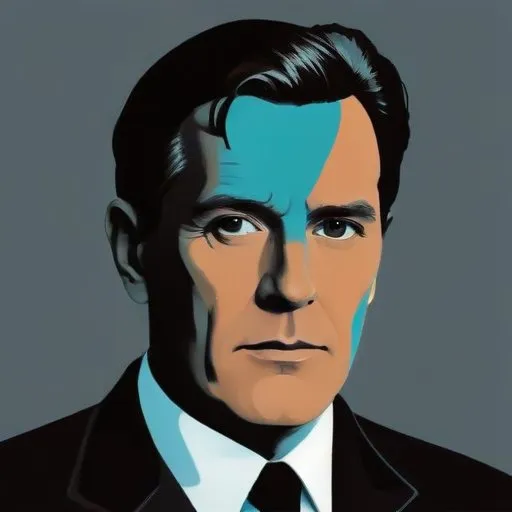
Directed films that showcased wit, sophistication, and nuanced character studies, often blending drama and comedy, with a distinctive visual style. Known for adapting notable literary works into acclaimed cinematic experiences.
Anthony Asquith, the renowned English film director, is best known for his exceptional adaptations of playwrights' works, particularly those of Terence Rattigan and Oscar Wilde. His cinematic renditions of classic plays, such as The Winslow Boy and The Browning Version, continue to captivate audiences with their emotional depth and nuanced character portrayals.
Born on November 9, 1902, in London, Anthony Asquith was the son of H. H. Asquith, the Prime Minister of the United Kingdom from 1908 to 1916, and Margot Asquith, a prominent socialite. Despite his aristocratic background, Asquith was drawn to the film industry, which was considered disreputable at the time. He was educated at Eaton House, Winchester College, and Balliol College, Oxford, before embarking on a career in filmmaking.
Asquith began his career in the late 1920s, directing four silent films, including A Cottage on Dartmoor, which established his reputation for meticulous and emotionally moving frame composition. His early success paved the way for his subsequent adaptations of classic plays, which would become his signature style.
Asquith's collaboration with playwright Terence Rattigan resulted in some of his most notable films, including The Winslow Boy (1948) and The Browning Version (1951). He also adapted Oscar Wilde's The Importance of Being Earnest in 1952, showcasing his versatility as a director. Other notable films include Pygmalion (1938), French Without Tears (1940), and The Way to the Stars (1945).
Asquith's personal life was marked by struggles with alcoholism and repressed homosexuality, according to actor Jonathan Cecil. Despite these challenges, he continued to work tirelessly, leaving behind a legacy of exceptional film adaptations that continue to inspire audiences today. Asquith passed away on February 20, 1968, and was buried at All Saints Churchyard, Sutton Courtenay, Berkshire, England.
Anthony Asquith's remarkable career, marked by his dedication to adapting classic plays for the screen, continues to inspire filmmakers and audiences alike. His legacy serves as a testament to the power of collaboration and the enduring appeal of timeless stories.
Born in 1899
Master of suspense, renowned for crafting iconic thrillers that blended psychological complexity with cinematic innovation, leaving an indelible mark on the film industry.
Born in 1908
Acclaimed filmmaker behind epic, visually stunning movies like "Lawrence of Arabia" and "Doctor Zhivago", known for his meticulous attention to detail and sweeping cinematography.
Born in 1906
Acclaimed filmmaker behind classics like "The Third Man" and "Oliver!", known for his visually stunning and suspenseful storytelling style.
Born in 1905
A pioneering filmmaker behind iconic movies like "Peeping Tom" and "The Red Shoes", known for his bold, visually stunning, and often controversial storytelling style.
Born in 1902
A Hungarian-English filmmaker behind iconic British movies, blending fantasy and reality, with a unique visual style and clever storytelling. He's most known for his work on classic films like "The Red Shoes" and "Black Narcissus".
Born in 1902
A renowned stage and screen actor, celebrated for his distinctive voice and authoritative presence, starring in iconic films like "David Copperfield" and "Doctor Zhivago".
Born in 1921
A renowned actress of Hollywood's Golden Age, starring in iconic films like "From Here to Eternity" and "The King and I", earning six Academy Award nominations.
Born in 1908
A renowned stage and screen actress, best known for her iconic role in the 1945 film "Brief Encounter", which remains a timeless classic of British cinema.
