


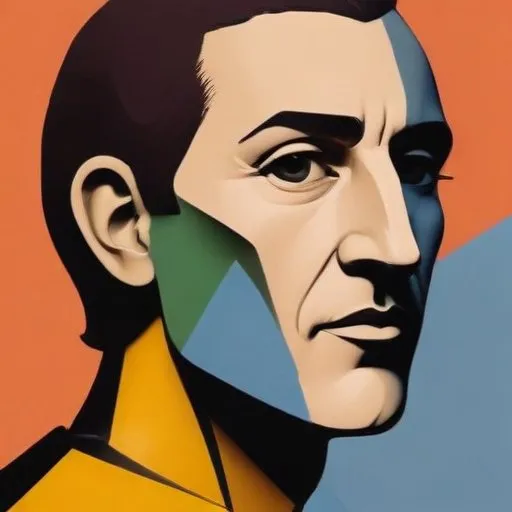
Antoine Coysevox, a French sculptor, is renowned for his breathtaking works adorning the Palace and Gardens of Versailles, as well as his exquisite portrait busts that capture the essence of 17th-century nobility. His contribution to the Baroque and Louis XIV style has left an indelible mark on the world of art, making him a household name among art enthusiasts and historians alike.
Born on September 29, 1640, in Lyon, France, Coysevox was the son of a sculptor from a family that had emigrated from Franche-Comté, a Spanish possession at the time. From a young age, he demonstrated a natural talent for sculpture, creating his first work, a Madonna, at just 17 years old.
He honed his skills in Paris, joining the workshop of Louis Lerambert in 1657 and later training himself by creating copies of Roman sculptures, including a Venus de Medici and the Castor and Pollux.
In 1667, Coysevox received a significant commission from Cardinal Frstenberg, the Bishop of Strasbourg, to create statuary for his château at Saverne (Zabern). This prestigious project marked the beginning of his rise to fame.
After four years, Coysevox returned to Paris and continued to develop his craft. In 1671, he married Marguerite Quillerier, Lerambert's niece, who unfortunately passed away just a year later. He remarried in 1679 to Claude Bourdict.
In 1676, Coysevox's stunning bust of Charles Le Brun, the king's painter, earned him admission to the Académie Royale. This recognition catapulted him into the elite circle of artists, including Le Brun, who oversaw the decoration of the Palace and Gardens of Versailles between 1677 and 1685.
Coysevox played a vital role in this extraordinary team, creating numerous works for the palace, including the famous marble sculptures adorning the gardens. He continued to work on various projects, including the Château de Marly, built between 1701 and 1709, where he provided several works.
In 1702, Coysevox became the director of the Académie Royale, with an annual pension of four thousand livres. In this position, he mentored a generation of French sculptors, including his nephews Nicolas Coustou (1659-1733) and Guillaume Coustou (1677-1746), who went on to become influential figures in French sculpture.
Antoine Coysevox's contributions to French art have had a lasting impact. His works continue to inspire and awe art lovers, and his role in shaping the Baroque and Louis XIV style remains unparalleled.
Today, his masterpieces are treasured by the Palace of Versailles, the Louvre, and other prominent museums and galleries. Coysevox's legacy serves as a testament to his dedication to his craft, his innovative spirit, and his unwavering passion for art.
Born in 1619
A dominant figure in 17th-century French art, he was a painter, art theorist, and director of the Gobelins Manufactory, creating grandiose and dramatic works that epitomized the French Baroque style. He wrote extensively on art theory, influencing generations of artists.
Born in 1628
A renowned French sculptor of the 17th century, creating exquisite works of art for the Palace of Versailles, including the iconic "Apollo and the Nymphs" fountain. Known for his mastery of Baroque style and intricate details.
