


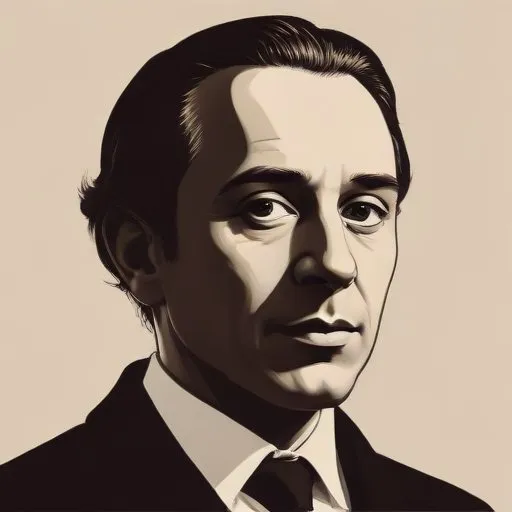
French novelist and translator of 18th-century Europe, known for his influential works that shaped the development of the novel as a literary form, particularly with his novel "Manon Lescaut".
Renowned French novelist, journalist, and translator Antoine François Prévost is best known for his captivating novella, Manon Lescaut, which has been mesmerizing readers with its poignant tale of love and sacrifice since 1731. As a writer of great depth and sensitivity, Prévost's works have left an indelible mark on the literary world.
Born on April 1, 1697, in Hesdin, France, Prévost was destined for a life of servitude to the church, following in the footsteps of his father. However, his inquisitive nature and thirst for knowledge led him to pursue a military career, eventually joining the priesthood to escape the consequences of a duel. This unlikely turn of events ultimately shaped his literary voice, infusing his works with a deep sense of introspection and humanity.
The creation of Manon Lescaut, Prévost's magnum opus, was a testament to his boundless creativity and innovative storytelling. This masterful novella tells the tragic tale of Chevalier des Grieux and his ill-fated love affair with the enigmatic Manon Lescaut. With its intricate characterizations, philosophical themes, and vivid descriptions, Manon Lescaut has become a timeless masterpiece, influencing countless adaptations and inspiring generations of writers, including the likes of Giacomo Puccini and Jules Massenet.
Prévost's impact on modern literature is undeniable, with his works being translated into numerous languages and inspiring a wide range of artistic interpretations. His poignant portrayal of human emotion, paired with his mastery of psychological insight, has captivated readers across the centuries, solidifying his position as a literary giant.
Prévost's writing often grappled with the complexities of human nature, exploring themes of morality, free will, and the human condition. Through his works, he conveyed a profound sense of empathy and understanding, encouraging readers to confront the intricacies of their own emotions and desires.
In addition to his literary pursuits, Prévost was an ardent supporter of education and social reform. He advocated for the improvement of women's education, recognizing the essential role they played in shaping society. Through his writings, he encouraged readers to engage in introspective self-reflection, fostering a deeper understanding of the human experience.
In conclusion, Antoine François Prévost's extraordinary life and literary legacy continue to captivate audiences, offering timeless insights into the human experience. As a writer, philosopher, and humanitarian, Prévost's contributions have left an indelible mark on the literary world, ensuring his place among the greatest writers of all time.
Born in 1694
A witty and insightful 18th-century writer and philosopher who used satire to critique societal norms and advocate for reason, tolerance, and human rights.
Born in 1712
A pioneering thinker who shaped modern democracy and education with his ideas on social contracts, general will, and the importance of early childhood education. His writings influenced the French Revolution and modern political thought.
Born in 1689
A French lawyer and philosopher who developed the concept of separation of powers, which divides a government into legislative, executive, and judicial branches to prevent abuse of power. His ideas greatly influenced modern democracy.
Born in 1606
A 17th-century French mastermind behind iconic plays like "Le Cid" and "Horace", known for pioneering the classical French tragedy genre.
Born in 1622
A 17th-century master of comedy, he penned witty plays that satirized the French aristocracy, leaving a lasting impact on Western theater. His works remain widely performed and adapted today.
Born in 1639
A 17th-century master of French tragedy, crafting intricate, psychologically complex dramas that probed the human condition, influencing the development of Western theatre.
