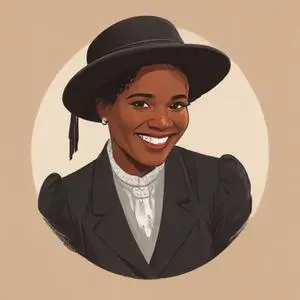
Antoinette Brown Blackwell: A Pioneer in Faith and Feminism
A Trailblazing Ministry
Antoinette Brown Blackwell was a true trailblazer, becoming the first woman to be ordained as a mainstream Protestant minister in the United States in 1853. This remarkable feat not only paved the way for future generations of women in ministry but also cemented her place in history as a champion of women's rights and religious equality.
Early Life and Education
Born on May 20, 1825, in Henrietta, New York, Antoinette was the youngest of seven children to Joseph Brown and Abby Morse. Recognized as highly intelligent from a young age, Antoinette's family encouraged her to pursue her love of learning. Her family's membership in the Congregational Church, influenced by the preaching of evangelist
Charles Grandison Finney, further fueled her passion for faith and social justice.
Pursuing a Higher Calling
After completing her early education at Monroe County Academy, Antoinette taught school for four years, saving enough money to cover her tuition at Oberlin College in Ohio. Supported by her parents, who believed in equal education for men and women, as well as for African Americans, Antoinette enrolled at Oberlin College in 1846. She completed the literary course, receiving her literary degree in 1847, and spent her vacations teaching and studying Hebrew and Greek.
Breaking Barriers in Theology
In 1847, Antoinette lobbied Oberlin College for admission to the theological course, a bold move that challenged the college's traditional opposition to women in formal theological training. Her persistence paid off, and she began her theological studies, ultimately becoming the first woman to complete the theological course in 1850.
A Ministry of Faith and Activism
Ordained in 1853, Antoinette's ministry focused on issues of women's rights, abolition, and social justice. Her powerful sermons and public lectures inspired countless individuals to advocate for change. As a prominent speaker, she traveled extensively, sharing her message of faith and equality with audiences across the country.
Personal Milestones and Key Life Events
- In 1856, Antoinette married Samuel C. Blackwell, a successful businessman and abolitionist.
- The couple had seven daughters, one of whom died in infancy.
- Antoinette continued her ministry, writing, and public speaking throughout her life, influencing generations of women and men.
Influence on Modern Society
Antoinette Brown Blackwell's pioneering spirit and unwavering commitment to faith and social justice have left a lasting impact on modern society. Her trailblazing ministry paved the way for future generations of women in religious leadership, inspiring countless individuals to pursue careers in theology and ministry.
Philosophical Contributions and Beliefs
Antoinette's theological views emphasized the importance of faith in promoting social change. She believed that Christianity should be a force for good, advocating for the abolition of slavery, women's suffrage, and social equality.
Legacy and Impact
Antoinette Brown Blackwell's remarkable life and ministry serve as a testament to the power of faith, determination, and activism. Her groundbreaking achievements continue to inspire individuals today, solidifying her place as a true pioneer in the fight for women's rights and religious equality.
Quotes and Memorable Sayings
- "The world is not yet redeemed, but it is being redeemed, and the great work is going on."
- "If society will not admit of woman's free development, then society must be remodeled."
Historical Context and Legacy
Antoinette Brown Blackwell's life and ministry unfolded during a tumultuous period in American history, marked by the abolitionist movement, women's suffrage, and the Civil War. Her contributions to these causes cemented her place in history as a champion of social justice and religious equality.
FAQ
What was Antoinette Brown Blackwells significance in American religious history?
Antoinette Brown Blackwell was the first woman to be ordained as a mainstream Protestant minister in the United States, paving the way for womens roles in religious leadership.
What was Antoinette Brown Blackwells educational background?
Antoinette Brown Blackwell graduated from Oberlin College in 1847 and went on to study theology at the Oberlin Theological Seminary.
What was Antoinette Brown Blackwells role in the womens suffrage movement?
Antoinette Brown Blackwell was an active advocate for womens suffrage and womens rights, speaking at national conventions and participating in organizations such as the American Woman Suffrage Association.
What was Antoinette Brown Blackwells relationship with Elizabeth Cady Stanton?
Antoinette Brown Blackwell was a close friend and collaborator of Elizabeth Cady Stanton, a leading figure in the womens suffrage movement. They worked together on various projects and shared a commitment to womens rights.
How is Antoinette Brown Blackwell remembered in American history?
Antoinette Brown Blackwell is remembered as a pioneering figure in American religious and womens history, breaking barriers for women in ministry and advocating for womens rights.