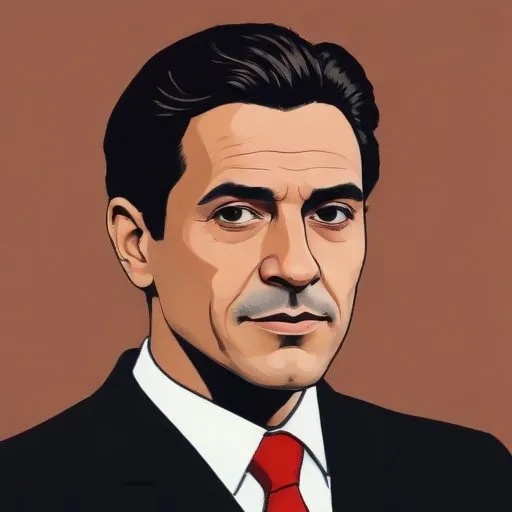
Antonio Fontán: The Champion of Press Freedom in Spain
A Beacon of Independence and Courage in Journalism
Antonio Fontán is renowned for his unwavering commitment to promoting press freedom in Spain, particularly during the authoritarian rule of
Francisco Franco. As the editor of the independent newspaper Madrid from 1967 to 1971, Fontán fearlessly criticized the government, earning him and his staff a unique place in the annals of Spanish journalism.
Early Years and Education
Fontán was born on October 15, 1923, in Seville, Spain. He pursued his higher education at the University of Seville, where he earned a doctorate in classical philology in 1948. Additionally, he studied journalism at the Official School of Madrid.
Journalistic Career and Struggle for Press Freedom
Fontán's journalistic career was marked by his unrelenting fight for press freedom. In 1954, he founded the monthly Nuestro Tiempo, and later became the director of the weekly magazine La Actualidad Española. In 1966, he joined the evening paper Madrid, where he served as editor until 1971. During this period, the government launched a campaign against the newspaper, prosecuting Fontán 19 times and fining him 10 times in just four months.
Political Career and Constitutional Contributions
In 1977, Fontán was elected to the Spanish Senate as a member of the Unión de Centro Democrático, marking the beginning of his political career. He played a crucial role in co-authoring Spain's Constitution of 1978, which recognized freedom of expression and information as fundamental rights. Fontán also served as a minister from 1979 to 1982.
Later Life and Legacy
At the time of his death on January 14, 2010, Fontán was the president and publisher of Nueva Revista de Política, Cultura y Arte, a bimonthly news magazine he founded in 1990. The International Press Institute (IPI) has named him one of the Heroes of Press Freedom, a testament to his unwavering commitment to the principles of free expression.
Awards and Honors
- Named one of the Heroes of Press Freedom by the International Press Institute (IPI)
- Elected to the Spanish Senate as a member of the Unión de Centro Democrático (1977)
Influence on Modern Society
Fontán's courageous struggle for press freedom has had a lasting impact on modern Spanish society. His contributions to the country's Constitution and his commitment to promoting independent journalism have ensured that freedom of expression and information remain fundamental rights in Spain.
Personal Milestones and Key Life Events
- Born on October 15, 1923, in Seville, Spain
- Earned a doctorate in classical philology from the University of Seville (1948)
- Founded Nuestro Tiempo (1954) and Nueva Revista de Política, Cultura y Arte (1990)
- Served as editor of Madrid (1967-1971) and minister (1979-1982)
- Died on January 14, 2010
Philosophical Contributions and Beliefs
Fontán's life and work were guided by a strong belief in the importance of press freedom and independent journalism. He recognized the power of the media to shape public opinion and promote democracy, and dedicated his career to ensuring that these fundamental rights were protected in Spain.
FAQ
What role did Antonio Fontán play in Spanish politics?
Antonio Fontán was a prominent figure in Spanish politics, serving as the Minister of Justice and later as the President of the Senate during the transition to democracy.
What was Antonio Fontáns role in the Spanish Constitution?
Antonio Fontán was one of the Fathers of the Constitution, playing a key role in drafting the Spanish Constitution of 1978.
What awards did Antonio Fontán receive?
Antonio Fontán received numerous awards, including the Prince of Asturias Award for Concord and the Grand Cross of the Order of Charles III.
What was Antonio Fontáns stance on journalism?
Antonio Fontán was a strong advocate for press freedom and was a founder of the Spanish Journalists Association.
How did Antonio Fontáns political career begin?
Antonio Fontáns political career began as a member of the opposition to Francos regime, and he later became a key figure in the democratic transition.