


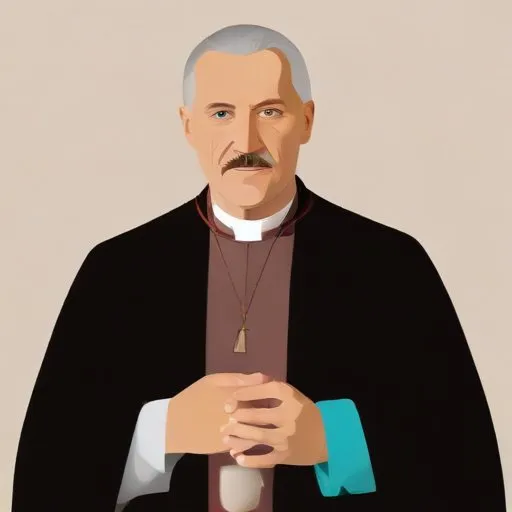
A German-Estonian clergyman, author, and translator who contributed to the development of the Estonian language and literature through his writings and translations. He's a significant figure in Estonian cultural heritage.
Anton thor Helle, a luminary figure in Estonian literary history, is renowned for translating the first Bible into Estonian in 1739. This monumental work not only made the sacred scriptures accessible to the Estonian masses but also laid the foundation for the development of the Estonian language.
Born on November 7, 1683, in Tallinn, Estonia (then part of the Swedish Empire), thor Helle's early life was marked by a strong affinity for language and theology. He pursued his education at the University of Tartu, where he immersed himself in the studies of theology, philosophy, and languages.
Thor Helle's magnum opus, the Estonian Bible, was a watershed moment in the country's linguistic and cultural heritage. By translating the sacred texts, he not only made them accessible to the common folk but also standardized the Estonian language, paving the way for its growth and development. The New Testament, in particular, was a North Estonian revision of the 1648 version by Johannes Gutslaff, which thor Helle meticulously revised and refined.
In addition to his biblical translations, thor Helle made significant contributions to Estonian grammar and orthography. His work, Observationes Grammaticae circa linguam Esthonicam, laid the groundwork for the country's linguistic framework, providing a comprehensive guide to the structure and usage of the Estonian language.
Thor Helle's legacy extends far beyond his own lifetime. His work has had a profound impact on Estonian culture, language, and identity. His translations and grammatical works have inspired generations of writers, scholars, and linguists, solidifying his position as the father of Estonian literature.
Even centuries after his passing, thor Helle's work continues to influence Estonian language and literature. His revised New Testament, for instance, has undergone numerous revisions, including a notable update by C. Malm in 1896. This enduring legacy is a testament to the significance of thor Helle's contributions to Estonian cultural heritage.
Born in 1819
A pioneering Estonian journalist and poet who played a crucial role in promoting Estonian national identity and language through his writings, particularly during the Estonian national awakening period.
Born in 1798
Estonian physician, philologist, and academic who contributed to the development of the Estonian language and literature, and was a key figure in the Estonian national awakening
Born in 1801
Estonia's national poet, known for his romantic and patriotic verses that inspired a national awakening, and is considered the founder of Estonian literature.
Born in 1805
A German-Swedish linguist and botanist who studied and documented the languages and flora of Siberia and Central Asia, making significant contributions to the fields of linguistics and botany.
