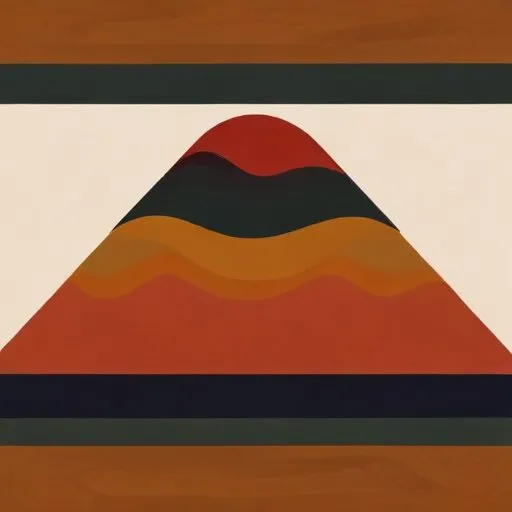
Arthur Dove: The Pioneer of American Abstract Art
A Trailblazer of Modernism
Arthur Dove, born on August 2, 1880, was an American artist who dared to defy conventions, earning him the distinction of being the first American abstract painter. His innovative works not only reflected his fascination with nature but also pushed the boundaries of art, making him a prominent figure in the early American modernist movement.
Early Life and Influences
Born into a wealthy family in Canandaigua, New York, Dove's childhood was marked by a deep appreciation for nature, courtesy of his neighbor and friend, Newton Weatherby, a naturalist. Weatherby's influence instilled in Dove a love for the outdoors, which would later become a dominant theme in his art. The family's brickyard business and city real estate holdings could not suppress Dove's desire to pursue a career in art.
Education and Early Career
Dove attended Hobart College and later Cornell University, where he honed his artistic skills by taking elective art classes. He graduated from Cornell in 1903 and was chosen to illustrate the university's yearbook, showcasing his talent for bringing life to characters and situations through his artwork.
Experimental Style and Techniques
Dove's artistic journey was marked by a constant quest for innovation. He experimented with unconventional media combinations, such as hand-mixed oil or tempera over a wax emulsion, as seen in his 1938 painting,
Tanks, now part of the Boston Museum of Fine Arts' collection. His abstract landscapes, like
Me and the Moon (1937), exemplify his unique ability to capture the essence of nature.
Collage Series and Abstract Explorations
In the 1920s, Dove created a series of experimental collages, which showcased his fascination with texture and form. These collages not only demonstrated his technical skill but also underscored his commitment to pushing the boundaries of art.
Legacy and Impact
Arthur Dove's pioneering contributions to American abstract art have inspired generations of artists. His bold experiments and innovative techniques have left an indelible mark on the art world, cementing his position as a true pioneer of modernism.
Awards and Honors
Dove's work has been recognized and celebrated through various awards and honors, including his inclusion in the Whitney Museum of American Art's inaugural exhibition in 1932.
Personal Life and Relationships
Dove's personal life was marked by a deep connection with nature and a strong sense of community. His friendship with Newton Weatherby, a naturalist, had a profound impact on his artistic vision. Dove's love for the outdoors and his appreciation for the beauty of nature are reflected in his artwork, making him an artist whose legacy continues to inspire and captivate audiences to this day.
FAQ
Who was Arthur Dove?
Arthur Dove was an American painter and educator who was one of the first American artists to experiment with abstraction.
What were Arthur Doves contributions to American modernism?
Arthur Dove made significant contributions to American modernism, exploring new ways of expressing emotions and ideas through abstract forms and colors.
What were Arthur Doves influences?
Arthur Dove was influenced by a range of artists, including Paul Cézanne, Henri Matisse, and Pablo Picasso, as well as the natural world and mysticism.
What was Arthur Doves teaching career like?
Arthur Dove taught at several art schools, including the Art Students League of New York, where he influenced a generation of American artists, including Mark Rothko and Barnet Newman.
What was Arthur Doves legacy?
Arthur Doves legacy is that of a pioneering American modernist who expanded the possibilities of art and paved the way for future generations of abstract artists.