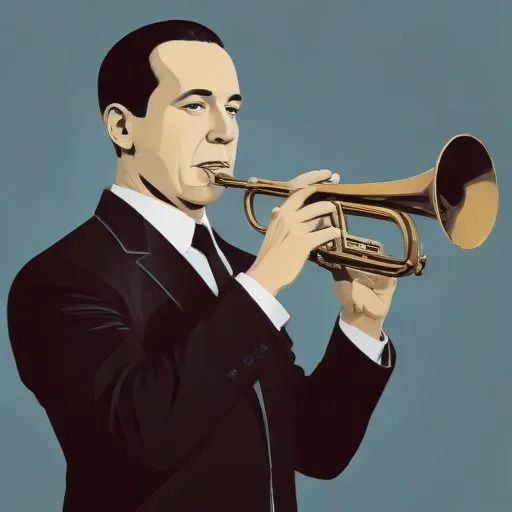
Arthur Pryor: The Trombone Virtuoso and Prolific Composer
A Legendary Musician and Composer
Arthur Pryor, renowned for his exceptional trombone virtuosity and prolific composition, left an indelible mark on the world of music. As a soloist with the Sousa Band, he mesmerized audiences with his extraordinary talent, earning the title of "the greatest trombone player of all time."
Early Life and Education
Born on September 22, 1869, on the second floor of the Lyceum Theater in Saint Joseph, Missouri, Arthur Pryor was destined for greatness. His father, Samuel Pryor, a bandmaster and founder of the original Pryor band, recognized his son's prodigious talent from a young age. Under his father's tutelage, Arthur began playing the valve trombone at the tender age of 11. The story goes that Samuel Pryor would correct his son's mistakes with a resounding crack on the head with a violin bow, a method that ultimately contributed to Arthur's remarkable skill.
Musical Career
Pryor's talent soon earned him a place in the
John Philip Sousa Band, where he played his first solo at the 1893 World's Columbian Exposition in Chicago. During his 12-year tenure with the Sousa Band, Pryor estimated that he played an astonishing 10,000 solos. He also served as assistant conductor of the Sousa Band from 1895 to 1903, touring extensively throughout the United States and Europe. His performances impressed royalty and heads of state, including King
Edward VII of England and Czar Nicholas II of Russia.
Prolific Composer
Arthur Pryor was not only a virtuosic trombonist but also a prolific composer of band music. His most famous composition, "The Whistler and His Dog," remains a beloved classic. Pryor's music, characterized by its lyricism and technical complexity, has been performed by bands around the world for generations.
Legacy and Impact
Arthur Pryor's influence on the development of trombone playing and band music is immeasurable. He elevated the trombone from its humble beginnings as a secondary instrument to a respected solo voice. His compositions and performances have inspired generations of musicians, solidifying his place as one of the most important figures in American music.
Personal Milestones and Key Life Events
- In 1902, Pryor ended his association with the Sousa Band after his father's death.
- He went on to direct the Stanley Opera Company in Denver, Colorado.
- In the 1930s, Pryor served on the Monmouth County Board of Chosen Freeholders, embarking on a career in politics as a member of the Democratic Party.
Controversies and Public Perception
Despite his incredible talent and contributions to music, Pryor's life was not without controversy. His eccentric personality and strong opinions often led to friction with colleagues and critics. However, his artistic genius and dedication to his craft ultimately earned him a revered place in the world of music.
Philosophical Contributions and Beliefs
Through his music and performances, Pryor embodied the values of hard work, perseverance, and dedication to one's craft. He believed in the power of music to bring people together and transcend cultural boundaries.
Awards and Honors
Arthur Pryor's remarkable achievements were recognized during his lifetime with numerous accolades and honors. His legacy continues to inspire and influence musicians to this day, cementing his place as one of the most important figures in American music.
Historical Context and Legacy
Pryor's life and career spanned a pivotal period in American history, from the late 19th century to the early 20th century. His music and performances reflected the cultural and social changes of the time, and his legacy continues to resonate with contemporary audiences.
Visual Timeline and Milestones
- September 22, 1869: Arthur Pryor was born in Saint Joseph, Missouri.
- 1892: Pryor joined the John Philip Sousa Band.
- 1893: He played his first solo with the Sousa Band at the World's Columbian Exposition in Chicago.
- 1902: Pryor ended his association with the Sousa Band after his father's death.
- 1930s: He served on the Monmouth County Board of Chosen Freeholders.
- June 18, 1942: Arthur Pryor passed away, leaving behind a legacy of exceptional music and inspiration.
Trivia and Fun Facts
- Pryor's music was often performed at the White House during the early 20th century.
- He was known for his entertaining stage presence and charisma.
- Pryor's trombone playing was so impressive that German Army bands insisted on disassembling his instrument to verify its authenticity.
Arthur Pryor's extraordinary life and career serve as a testament to the power of dedication, hard work, and artistic passion. His legacy continues to inspire generations of musicians and music lovers alike, ensuring his place as one of the most celebrated figures in American music.
FAQ
What was Arthur Pryors contribution to jazz music?
Arthur Pryor was an American trombonist, composer, and bandleader who made significant contributions to the development of jazz music in the early 20th century. He was known for his virtuosic trombone playing and innovative compositions.
How did Arthur Pryors trombone playing influence jazz?
Arthur Pryors trombone playing was highly influential in shaping the sound of early jazz. He developed a unique style that blended classical techniques with jazz improvisation, paving the way for future generations of jazz trombonists.
What were some of Arthur Pryors notable compositions?
Arthur Pryor composed several notable pieces, including The Whistler and His Dog and Thoughts of Love, which showcased his skill as a composer and arranger. His music was widely performed by bands and orchestras during his lifetime.
How did Arthur Pryors bandleading experience shape his music?
Arthur Pryors experience as a bandleader influenced his music by giving him the opportunity to experiment with new sounds and arrangements. He led several bands throughout his career, including the Arthur Pryors Band and the Pryors Concert Band.
What is Arthur Pryors legacy in American music?
Arthur Pryors legacy in American music is that of a pioneering figure in the development of jazz. He played a significant role in shaping the sound of early jazz and paved the way for future generations of jazz musicians.