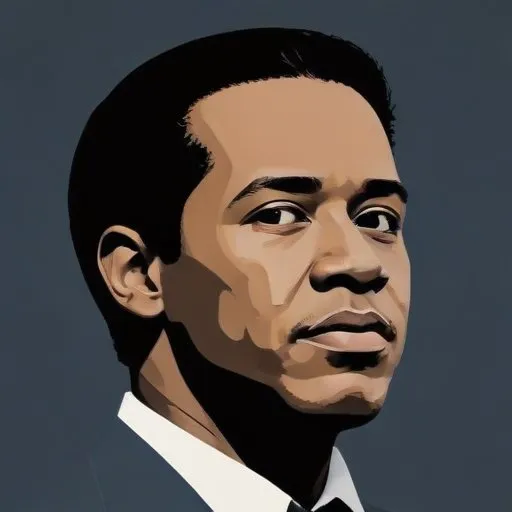
Artie Matthews: The Ragtime Maestro
A Pioneering Composer and Pianist
Artie Matthews is renowned for his significant contributions to the world of ragtime music, earning him a place alongside legends like
Scott Joplin,
Joseph Lamb, and
James Scott. As a prolific composer, pianist, and songwriter, Matthews left an indelible mark on the genre, leaving behind a legacy that continues to inspire and delight audiences to this day.
Early Life and Inspirations
Born on November 15, 1888, in Braidwood, Illinois, Matthews' family relocated to Springfield, Illinois, during his youth. It was here that he developed a passion for music, initially focusing on popular songs and light classics. However, his life took a dramatic turn when he encountered ragtime music, courtesy of pianist Banty Morgan, around 1905. Entranced by the genre's unique rhythms and harmonies, Matthews immersed himself in ragtime, soon becoming a skilled composer and performer in his own right.
A Career in Ragtime
In 1908, Matthews moved to St. Louis, Missouri, a hub for ragtime enthusiasts, where he worked as a pianist, arranger, and composer for local theater productions. This period marked the beginning of his fruitful collaboration with music publisher
John Stark, who offered Matthews $50 for each original rag submitted for publication. Matthews' talents didn't go unnoticed, and he soon became a sought-after arranger for Stark's publishing house.
Pastime Rags and Beyond
Matthews' most famous creations, the Pastime Rags, comprising five pieces, showcased his mastery of the genre. The fifth installment, in particular, gained widespread recognition when Lu Watters and the Yerba Buena Jazz Band recorded it in 1946, with Wally Rose on piano. Another notable achievement was his 1912 composition, "Baby Seals Blues," considered one of the first published blues pieces.
A Legacy in Music Education
In 1921, Matthews, along with his wife Anna Howard, founded the Cosmopolitan School of Music in Cincinnati, Ohio, catering exclusively to African American students. This pioneering institution allowed Matthews to share his expertise, nurturing talents like
Frank Foster, who would go on to become the principal arranger for the
Count Basie orchestra.
Personal Milestones and Recognition
Throughout his life, Matthews remained committed to his art, earning recognition from his peers and the music community at large. His Weary Blues remains a staple in Dixieland and New Orleans jazz bands, a testament to his enduring legacy.
Remembering Artie Matthews
As we reflect on Matthews' remarkable life and contributions, it becomes clear that his impact on ragtime and jazz is immeasurable. His dedication to his craft, passion for music education, and innovative compositions have left an indelible mark on the world of music. As we celebrate his life, we honor the rich cultural heritage he helped shape, ensuring that his legacy continues to inspire generations to come.
FAQ
What was Artie Matthews contribution to American music?
Artie Matthews was a composer, pianist, and educator who made significant contributions to American music, particularly in the development of jazz and blues.
How did Artie Matthews music reflect his cultural heritage?
Artie Matthews music was deeply influenced by his African American heritage, incorporating elements of blues, jazz, and spirituals into his work.
What was Artie Matthews role in the Chicago jazz scene?
Artie Matthews was a key figure in the Chicago jazz scene, performing and collaborating with notable musicians such as King Oliver, Jelly Roll Morton, and Bessie Smith.
What is Artie Matthews most famous composition?
Artie Matthews most famous composition is the Weary Blues, a piano piece that has become a jazz standard and has been recorded by numerous artists.
How did Artie Matthews music influence future generations of musicians?
Artie Matthews music and teachings had a profound impact on future generations of jazz musicians, including notable figures such as Duke Ellington and Count Basie.