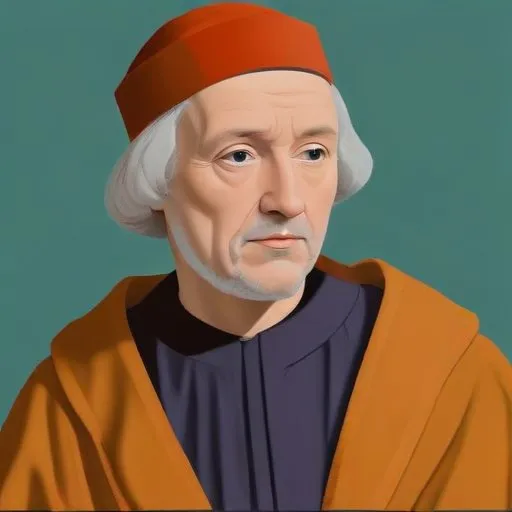
Artus Quellinus the Elder: The Baroque Sculptor Who Shaped Northern Europe
A Master of Marble and Stone
Artus Quellinus the Elder is renowned as the most important representative of the Baroque style in sculpture in the Southern Netherlands, with a profound influence on the development of sculpture in Northern Europe. His exquisite works in marble and stone adorn public buildings, palaces, and churches, showcasing his exceptional skill and artistic finesse.
Early Life and Training
Born on August 20 or 30, 1609, in Antwerp, Artus was the son of respected sculptor Erasmus Quellinus I and Elisabeth van Uden. His siblings, Erasmus and Hubertus, also pursued careers in art, with Erasmus becoming a painter and Hubertus an engraver and painter. Artus received his initial training from his father before traveling to Rome to study in the studio of Franois Duquesnoy, a renowned Flemish sculptor, from 1635 to 1639.
Travels and Collaborations
During his travels, Quellinus met influential artists, including the Flemish painter Laureys Franck in Lyon, and the Dutch engraver Nicolaas van Helt Stockade and painter Jan Asselijn. These encounters not only broadened his artistic horizons but also fostered valuable connections. Upon returning to Antwerp in 1639, he became a member of the local Guild of Saint Luke in 1640-41 and took over his father's workshop.
Ambitious Projects and Patrons
Quellinus's talent and reputation earned him prestigious commissions, including work on the Amsterdam city hall (now the Royal Palace on the Dam) from 1650 to 1665. Collaborating with lead architect Jacob van Campen, Quellinus and his workshop produced stunning marble decorations, setting a new standard for buildings in Amsterdam. One of his prominent patrons was Amsterdam burgomaster and statesman
Andries de Graeff, who recognized Quellinus's exceptional skill and artistic vision.
Legacy and Influence
Artus Quellinus the Elder's impact on Northern European sculpture is immeasurable. His innovative use of Baroque techniques, combined with his mastery of marble and stone, inspired generations of sculptors. His contributions to the development of sculpture in the Netherlands, Sweden, and beyond are still celebrated and studied today.
Personal Life and Milestones
Quellinus married Marguerite Verdussen, who passed away on February 12, 1668. He worked tirelessly throughout his life, leaving behind a remarkable body of work. His passing on August 23, 1668, in Antwerp marked the end of an era, but his artistic legacy continues to inspire and awe art lovers to this day.
Major Works and Contributions
- The Marble decorations for the Amsterdam city hall (now the Royal Palace on the Dam)
- Sculptures for the churches of Antwerp and Amsterdam
- Monumental tombstones and funerary monuments
Remembering Quellinus
Artus Quellinus the Elder's remarkable life and career are a testament to his dedication to the art of sculpture. His masterpieces continue to captivate audiences, and his influence on Northern European sculpture remains unparalleled. As we reflect on his legacy, we are reminded of the power of art to transcend time and inspire future generations.
FAQ
What was Artus Quellinus the Elders impact on Flemish sculpture?
Artus Quellinus the Elder was a renowned Flemish sculptor who made significant contributions to the development of Baroque sculpture in the Netherlands. His intricate and ornate works showcased exceptional craftsmanship, earning him commissions from prominent patrons.
What are some of Artus Quellinus the Elders most famous works?
Some of Artus Quellinus the Elders most notable works include the tomb of Archbishop Andreas Creusen in Liège Cathedral, the high altar of the Church of St. Jacques in Antwerp, and the funerary monument of Bishop Triest in Ghent Cathedral.
Where did Artus Quellinus the Elder receive his training?
Artus Quellinus the Elder received his training in sculpture from his father, Hans Quellinus, and later honed his skills in Rome, where he was influenced by the works of Bernini and other prominent Italian sculptors.
What was Artus Quellinus the Elders role in the Antwerp Guild of St. Luke?
Artus Quellinus the Elder played a significant role in the Antwerp Guild of St. Luke, serving as a dean and contributing to the development of the citys artistic community.
How did Artus Quellinus the Elder influence later sculptors?
Artus Quellinus the Elders innovative techniques and mastery of Baroque sculpture influenced a generation of Flemish sculptors, including his own son, Artus Quellinus the Younger, and other prominent artists of the time.