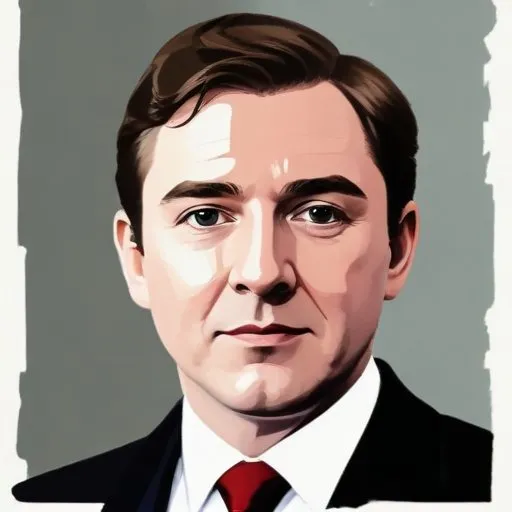
Austin Currie: A Champion of Civil Rights and Equality in Northern Ireland
A Life Dedicated to Social Justice
Austin Currie is perhaps best known for his pivotal role in the civil rights movement in Northern Ireland, where he fought tirelessly for social justice and equality. As a minister, politician, and activist, Currie left an indelible mark on the region's history, inspiring generations to come.
Early Life and Education
Born on October 11, 1939, in Coalisland, County Tyrone, Currie was the eldest of 11 children to Mary (née O'Donnell) and John Currie. He received his education at the prestigious St. Patrick's Academy, Dungannon, and later graduated in politics and history from Queen's University Belfast.
A Catalyst for Change: The Caledon Housing Protest
One of Currie's most notable acts of defiance was the Caledon housing protest in 1968. As a sitting MP in the home rule Parliament of Northern Ireland, Currie squatted in a house allocated to a Unionist secretary, highlighting the discriminatory housing practices that favored Protestants over Catholics. This bold move was unanimously approved by the Nationalist Party the next day, marking a turning point in the civil rights movement in Northern Ireland.
A Lifetime of Political Service
Currie's commitment to public service spanned over four decades. He was elected as a Nationalist MP for East Tyrone in 1964 and later became a member of the Social Democratic and Labour Party (SDLP). In 1989, he was elected as a Teachta Dála (TD) for the Dublin West constituency, representing Fine Gael. During his tenure, he served as Minister of State with responsibility for Children's Rights from 1994 to 1997.
Fighting for Human Rights
Throughout his career, Currie remained steadfast in his pursuit of human rights and equality. He was an outspoken critic of partition, which he believed was used to suppress the nationalist identity of Catholics in Northern Ireland. He advocated for reforms in education, housing, and employment, working to break down the barriers that had divided the region for generations.
Legacy and Impact
Austin Currie's life's work has left a lasting impact on Northern Ireland. His courageous stand against discrimination and his tireless advocacy for human rights have inspired countless individuals to fight for social justice. Today, he is remembered as a champion of civil rights and a champion of the people.
Personal Milestones and Key Life Events
- 1964: Elected as a Nationalist MP for East Tyrone
- 1968: Participated in the Caledon housing protest
- 1989: Elected as a Teachta Dála (TD) for the Dublin West constituency
- 1994-1997: Served as Minister of State with responsibility for Children's Rights
Quotes and Memorable Sayings
"Partition was used to try to cut us off from the rest of the Irish nation."
"Unionists did their best to stamp out our nationalism and, in the educational system, to the extent it could organize it, was oriented to Britain."
FAQ
What is Austin Curries most famous achievement in politics?
Austin Currie is best known for being one of the key figures in the Northern Ireland civil rights movement, and for his role in the formation of the Social Democratic and Labour Party (SDLP).
What is Austin Curries experience in government?
Austin Currie served as a member of the Northern Ireland Assembly and as a minister in the power-sharing government established under the Good Friday Agreement.
Has Austin Currie won any awards?
Yes, Austin Currie has been awarded the honorary degree of Doctor of Laws from the University of Ulster.
What is Austin Curries approach to politics?
Austin Currie is known for his commitment to social justice and human rights, and has been praised for his ability to build bridges between different communities in Northern Ireland.
What did Austin Currie do after retiring from politics?
After retiring from politics, Austin Currie went on to become a successful writer and historian, publishing several books on Irish and Northern Irish history.