


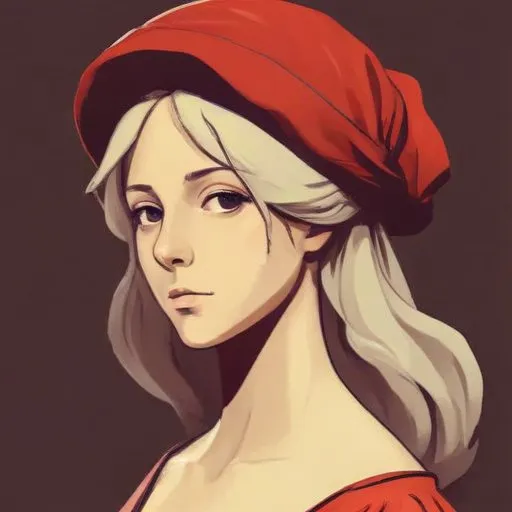
A 16th-century Italian noblewoman who was executed for murdering her abusive father, sparking controversy and inspiring artistic works, including a poem by Percy Bysshe Shelley. Her tragic story has become a symbol of resistance against patriarchal oppression.
Beatrice Cenci, a 16th-century Roman noblewoman, is infamously known for orchestrating the murder of her abusive father, Count Francesco Cenci, in 1598. This daring act of defiance, although deemed a crime by the law, sparked widespread public sympathy and outrage, cementing her place in history as a symbol of resistance against patriarchal oppression.
Beatrice was born on February 6, 1577, to Count Francesco Cenci and Ersilia Santacroce. Her early life was marked by tragedy, with her mother's death in 1584. She and her elder sister, Antonina, were sent to a Franciscan Tertiary monastery, Santa Croce a Montecitorio, in Rome. Following her mother's demise, Beatrice's father remarried to Lucrezia Petroni, and the extended family resided in the Palazzo Cenci in Rome.
Rumors of Count Francesco's dissolute habits, violent temper, and alleged incestuous abuse against Beatrice and her siblings spread throughout Rome. Despite Beatrice's attempts to report her father's misconduct to the authorities, no concrete action was taken, likely due to his noble status. This led to a deteriorating relationship between Beatrice and her father, further exacerbated by his own imprisonment for unrelated crimes.
In 1598, Beatrice, her siblings, and her secret lover, one of the two vassals, concocted a plan to eliminate Count Francesco. During one of his stays at the family's castle, La Rocca of Petrella Salto, they drugged him, leading to his eventual murder. The repercussions of this act were swift and merciless: Beatrice, her siblings, and the two vassals were arrested, tried, and found guilty of patricide.
The lurid murder trial in Rome sent shockwaves throughout Europe, with many sympathizing with Beatrice's plight. Despite the public outcry, Beatrice was beheaded on September 11, 1599, in Rome's Piazza di Santa Maria in Campitelli. Her death marked the end of a tragic chapter in her life, but it also sparked a enduring legend about her, cementing her place in history as a symbol of rebellion against oppression.
Beatrice Cenci's story has inspired countless works of art, literature, and theater, including works by Percy Bysshe Shelley, Alessandro Morati, and Guido Reni. Her defiance in the face of patriarchal tyranny continues to resonate with people to this day, making her a powerful symbol of resistance and feminism.
Born in 1536
Led the Catholic Church during a tumultuous period, issuing papal bulls and playing a key role in the Counter-Reformation. He's also famous for his coffee habit, being the first Pope to try and approve of it.
Born in 1480
The illegitimate child of a powerful pope, known for her ruthless politics, alleged poisonings, and scandalous marriages that shaped the Italian Renaissance.
Born in 1475
A ruthless and cunning politician who rose to power in the Renaissance era through intrigue and military conquest, leaving a lasting legacy in politics and governance.
Born in 1414
Established the Vatican Archives and commissioned the Sistine Chapel's ceiling, which was famously painted by Michelangelo. He also played a significant role in the Renaissance.
