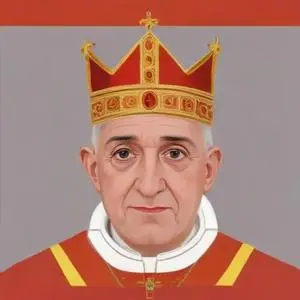
Pope Sixtus IV: The Renaissance Pope and Patron of the Arts
A Legacy of Cultural and Intellectual Achievements
Pope Sixtus IV is remembered as one of the most influential popes of the Renaissance, renowned for his cultural and intellectual achievements that shaped the Catholic Church and the city of Rome. He is credited with the construction of the iconic Sistine Chapel and the establishment of the Vatican Library, two institutions that would become synonymous with artistic and intellectual excellence.
Early Life and Education
Born Francesco della Rovere on July 21, 1414, in Celle Ligure, Italy, Sixtus IV was a member of the noble Della Rovere family. He joined the Franciscan Order at a young age and went on to study philosophy and theology at the University of Pavia. He later lectured at Padua and other Italian universities, earning a reputation as a learned scholar and theologian.
Rise to Papacy
In 1464, Sixtus IV was elected Minister General of the Franciscan Order at the age of 50. Three years later, he was appointed Cardinal by
Pope Paul II with the titular church of San Pietro in Vincoli. His reputation for piety and intellectual prowess led to his election as Pope in 1471, upon the death of Paul II.
Papal Achievements
During his papacy, Sixtus IV oversaw a series of significant cultural and intellectual projects that transformed Rome into a hub of Renaissance activity. Some of his notable achievements include:
- Construction of the Sistine Chapel, a masterpiece of Renaissance architecture that would become a symbol of the Catholic Church.
- Establishment of the Vatican Library, which would become a repository of rare and ancient manuscripts.
- Commissioning of renowned artists such as Botticelli, Perugino, and Ghirlandaio to create frescoes and artworks for the Sistine Chapel and other churches in Rome.
- Patronage of scholars and humanists, including the philosopher and theologian Marsilio Ficino.
Controversies and Legacy
Despite his cultural achievements, Sixtus IV's papacy was not without controversy. He was criticized for his nepotism, appointing relatives to high-ranking positions within the Church, and for his involvement in the Pazzi conspiracy, a plot to overthrow the Medici family in Florence. He also founded the Spanish Inquisition, a move that would have far-reaching and devastating consequences for centuries to come.
Philosophical Contributions
Sixtus IV was a prolific writer and theologian, publishing several treatises on topics such as the nature of God and the blood of Christ. His philosophical contributions were characterized by a deep understanding of Aristotelian and Thomistic thought, and he was known for his ability to reconcile faith and reason.
Personal Milestones
During his papacy, Sixtus IV celebrated several significant milestones, including the completion of the Sistine Chapel and the canonization of several saints, including Saint Bernardino of Siena.
Impact on Modern Society
The cultural and intellectual achievements of Sixtus IV continue to influence modern society. The Sistine Chapel remains one of the most famous artistic landmarks in the world, and the Vatican Library is a testament to the power of knowledge and learning.
Quotes and Memorable Sayings
"I am not a learned man, but I am a man who loves learning." - Pope Sixtus IV
Historical Context and Legacy
Sixtus IV's papacy marked a turning point in the history of the Catholic Church, ushering in an era of cultural and intellectual rebirth that would shape Western civilization for centuries to come. His legacy continues to inspire artists, scholars, and theologians around the world.
FAQ
What are some notable accomplishments of Pope Sixtus IV?
Pope Sixtus IV is known for his contributions to the Catholic Church, including the establishment of the Vatican Archives and the Sixtine Chapel. He also issued a papal bull calling for a Crusade against the Ottoman Empire.
What was the significance of Pope Sixtus IVs papacy?
Pope Sixtus IVs papacy was marked by significant events, including the Pazzi conspiracy and the Exclusion Crisis. He also played a key role in the Italian Wars of 1494-1530.
What was Pope Sixtus IVs role in the Renaissance?
Pope Sixtus IV was a patron of the arts and commissioned many famous artists, including Botticelli and Perugino. He also supported the construction of numerous buildings, including the Sistine Bridge.
How did Pope Sixtus IV reform the Catholic Church?
Pope Sixtus IV implemented several reforms, including the creation of new dioceses and the establishment of the Vatican Printing Office. He also reformed the College of Cardinals.
What was Pope Sixtus IVs relationship with the Ottoman Empire?
Pope Sixtus IV was a vocal critic of the Ottoman Empire and called for a Crusade against them. He also supported the Venetian Republic in its conflicts with the Ottomans.