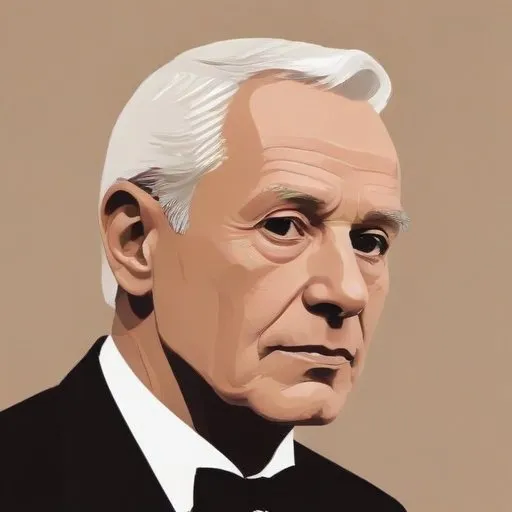
Bill Doggett: The Forgotten Pioneer of Rock and Roll
The Man Behind the Sounds
Bill Doggett is often credited as one of the pioneers of rock and roll, and for good reason. His instrumental compositions, such as "Honky Tonk" and "Hippy Dippy", catapulted him to fame in the 1950s and sold millions of copies worldwide.
Early Life and Career
Born on February 16, 1916, in Philadelphia, Pennsylvania, Doggett began his musical career playing swing music in the 1930s and 1940s. He worked with renowned bandleaders such as Lucky Millinder, Frank Fairfax, and
Jimmy Mundy, honing his skills as a pianist and arranger.
From Swing to Rhythm and Blues
In 1942, Doggett joined the Ink Spots as their pianist and arranger, marking a pivotal moment in his career. This led to him organizing his own trio in 1951 and signing with King Records, where he began to focus on rhythm and blues.
Doggett's big break came in 1956 with the release of "Honky Tonk", a rhythm and blues hit that topped the US Billboard RB chart for over two months. The song, co-written with Billy Butler, sold four million copies and reached No. 2 on the Pop charts, cementing Doggett's status as a rock and roll pioneer.
Collaborations and Contributions
Throughout his career, Doggett worked with an impressive array of artists, including Louis Armstrong, Count Basie, Ella Fitzgerald, and Lionel Hampton. He also arranged for numerous bandleaders and performers, leaving an indelible mark on the music industry.
Discography and Legacy
Doggett's extensive discography includes 7 EPs, released between 1954 and 1956. Some of his notable works include "Bill Doggett, His Organ And Combo, Vol. 1", "Doggett Dreams, Vol. 6", and "Honky Tonk".
Awards and Accolades
Doggett's contributions to music earned him a place in the Rock and Roll Hall of Fame, as well as the Rhythm and Blues Music Hall of Fame.
Personal Life and Later Years
Doggett continued to perform and arrange music until his passing on November 13, 1996, at the age of 80, due to cancer.
Impact on Modern Music
Bill Doggett's legacy extends far beyond his own music. He paved the way for future generations of rock and roll musicians, influencing the development of the genre. His pioneering spirit and innovative compositions continue to inspire artists to this day.
Trivia and Fun Facts
- Doggett's music was often featured in films, including the 1956 film "Rock Around the Clock", which helped to popularize rock and roll music.
- He was known for his unique blend of rhythm and blues, jazz, and swing, which set him apart from his contemporaries.
- Doggett's music has been sampled by numerous artists, including hip-hop legends DJ Shadow and The Beastie Boys.
Conclusion
Bill Doggett's remarkable career and contributions to rock and roll music are a testament to his innovative spirit and dedication to his craft. As a pioneer of the genre, his legacy continues to inspire and influence musicians today.
FAQ
What was Bill Doggetts most famous composition?
Bill Doggett is best known for his 1956 hit Honky Tonk, a pioneering instrumental track that blended rhythm and blues, rock and roll, and jazz.
How did Bill Doggetts music influence the development of rock and roll?
Bill Doggetts fusion of rhythm and blues, jazz, and rock and roll helped shape the sound of early rock and roll, influencing artists like Ike Turner and Little Richard.
What was Bill Doggetts role in the development of the Hammond organ sound?
Bill Doggett was one of the first musicians to popularize the Hammond organ, using it to create a distinctive sound that became synonymous with rhythm and blues and rock and roll.
What awards did Bill Doggett receive for his contributions to music?
Bill Doggett was inducted into the Rock and Roll Hall of Fame in 1999, recognizing his significant contributions to the development of rock and roll.
What is Bill Doggetts legacy in the history of rhythm and blues?
Bill Doggetts innovative compositions and instrumental virtuosity have cemented his place as a pioneer in the history of rhythm and blues, influencing generations of musicians.