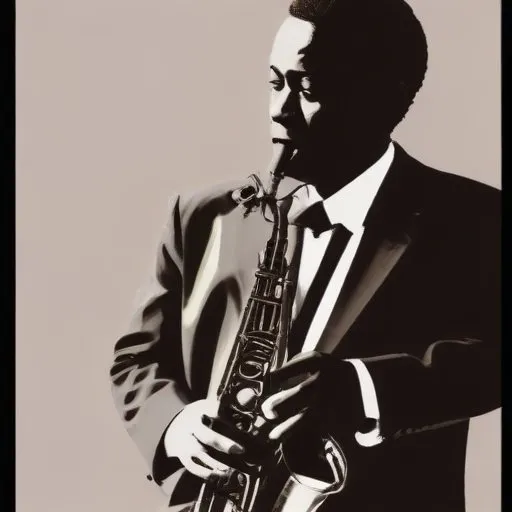
Earl Bostic: The Saxophonist Who Pioneered Post-War Rhythm and Blues
A Legacy of Innovation and Influence
Earl Bostic, a legendary American alto saxophonist, is renowned for his trailblazing contributions to jazz, swing, jump blues, and post-war American rhythm and blues. With a career spanning over three decades, Bostic's distinctive growl on the horn and eclectic musical output have left an indelible mark on the music world.
Early Life and Career
Born on April 25, 1913, in Tulsa, Oklahoma, Bostic began playing the clarinet in school and saxophone with the local Boy Scouts troop. He turned professional at 18, joining Terence Holder's Twelve Clouds of Joy, and went on to perform with Fate Marable on New Orleans riverboats. Bostic graduated from Xavier University in New Orleans, further solidifying his musical foundation.
Recording Career and Hits
Bostic's recording career was marked by diversity and innovation. He made his first recording with
Lionel Hampton in 1939, alongside
Charlie Christian, Clyde Hart, and Big Sid Catlett. His subsequent recordings showcased his unique style, yielding popular hits like:
- Flamingo
- Harlem Nocturne
- Temptation
- Sleep
- Special Delivery Stomp
- Where or When
These hits demonstrated Bostic's mastery of the saxophone, earning him widespread recognition and admiration.
Influence on Jazz Icons
Earl Bostic's impact on jazz luminaries is undeniable. He played a significant role in shaping the careers of notable musicians, including
John Coltrane, who has often cited Bostic as a major influence. Other notable collaborators and band members include Keter Betts,
Jaki Byard,
Benny Carter, Teddy Edwards,
Benny Golson, Blue Mitchell,
Tony Scott, Cliff Smalls,
Charles Thompson,
Stanley Turrentine, and Tommy Turrentine, among others.
Philosophical Contributions and Beliefs
Bostic's approach to music was deeply rooted in his philosophy of innovation and experimentation. He believed in pushing the boundaries of traditional jazz, embracing new styles, and exploring the possibilities of the saxophone. This forward-thinking approach not only influenced his own music but also inspired a generation of musicians to experiment and innovate.
Career Highlights and Milestones
Bostic's illustrious career was marked by numerous highlights and milestones, including:
- Leading the house band at Smalls Paradise in 1938 and 1944
- Forming his own band in 1945 and making the first recordings under his own name for the Majestic label
- Turning to rhythm and blues in the late 1940s, resulting in some of his biggest hits
These achievements solidified Bostic's status as a jazz legend and pioneer of post-war rhythm and blues.
Legacy and Impact
Earl Bostic's contributions to jazz and rhythm and blues continue to resonate with audiences today. His innovative approach, distinctive style, and influence on iconic musicians have cemented his place in the pantheon of jazz greats. As a true original, Bostic's legacy serves as a testament to the power of innovation and creativity in music.
FAQ
What was Earl Bostics role in the development of rhythm and blues music?
Earl Bostic was an American saxophonist who played a key role in shaping the sound of rhythm and blues music, influencing generations of musicians.
What was Earl Bostics musical style?
Earl Bostics saxophone playing blended elements of jazz, blues, and rhythm and blues, creating a distinctive sound that captivated audiences.
What were some of Earl Bostics most famous recordings?
Earl Bostics most famous recordings include Earls Rhumboogie and Flamingo, which showcased his virtuosic playing and musicality.
How did Earl Bostics music influence later generations of musicians?
Earl Bostics music influenced a wide range of musicians, from rhythm and blues pioneers like Ray Charles to rock and roll icons like Eric Clapton.
What was Earl Bostics legacy in American music?
Earl Bostics legacy in American music is marked by his innovative playing, eclectic style, and profound influence on the development of rhythm and blues, rock and roll, and beyond.