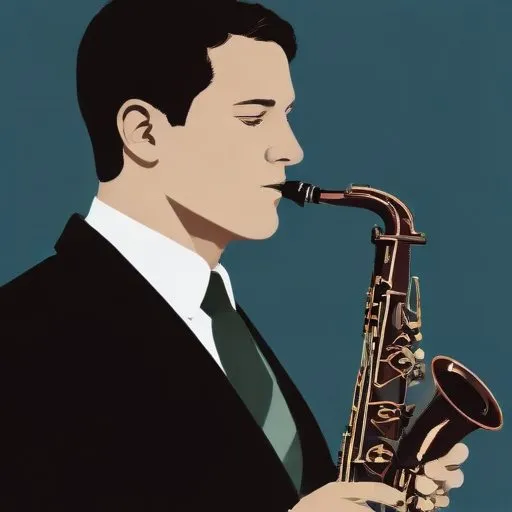
Bob Wilber: The Unwavering Advocate of Classic Jazz
A Legacy of Tradition and Innovation
Bob Wilber, the American jazz clarinetist, saxophonist, and band leader, was renowned for his dedication to preserving and presenting traditional jazz in a contemporary manner. With a career spanning over six decades, Wilber was instrumental in promoting the classic styles of jazz, collaborating with legendary musicians, and educating future generations.
Early Life and Inspirations
Born on March 15, 1928, in New York City, Wilber's fascination with jazz began at the tender age of three, when his father introduced him to
Duke Ellington's "Mood Indigo." This spark ignited a lifelong passion for the genre. Growing up in Scarsdale, New York, Wilber received formal clarinet training from Willard Briggs and devoured recordings from New Orleans, Kansas City, and Chicago jazz legends.
Professional Career and Collaborations
Wilber's professional journey commenced in the 1950s, during which he played with illustrious jazz leaders, including
Bobby Hackett,
Benny Goodman,
Sidney Bechet,
Jack Teagarden, and
Eddie Condon. In the late 1960s, he co-founded the Worlds Greatest Jazz Band and later, Soprano Summit, which garnered widespread acclaim. The 1970s saw the formation of the Bechet Legacy Band, a testament to his enduring admiration for his mentor, Sidney Bechet.
Education and Film Contributions
Wilber's commitment to jazz education led him to direct the Smithsonian Jazz Repertory Ensemble. He also lent his expertise to film, penning scores for movies like "The Cotton Club." In his autobiography, "Music Was Not Enough," Wilber recounted his childhood, his formative years as a musician, and his struggles in the industry.
Awards and Honors
Throughout his career, Wilber received numerous accolades, including a Grammy nomination for his album "Reverie." He was also recognized for his contributions to jazz education, earning the prestigious NEA Jazz Masters Fellowship in 2014.
Philosophical Contributions and Beliefs
Wilber's artistic philosophy was rooted in the importance of understanding and respecting the jazz tradition. He believed that innovation and creativity could only bloom from a deep understanding of the genre's roots. This conviction guided his approach to music, education, and collaboration.
Legacy and Impact
Bob Wilber's unwavering dedication to classic jazz has left an indelible mark on the genre. His tireless efforts to preserve and promote traditional jazz have inspired generations of musicians and enthusiasts alike. As a testament to his impact, Wilber's legacy continues to reverberate through the jazz world, ensuring that the spirit of classic jazz remains vibrant and alive.
Personal Milestones and Key Life Events
- 1945: Graduated from high school and began pursuing a career in music
- 1946: Met his mentor, Sidney Bechet, who would shape his musical direction
- 1950s-1960s: Collaborated with esteemed jazz musicians, including Benny Goodman and Bobby Hackett
- 1960s-1970s: Co-founded the Worlds Greatest Jazz Band and Soprano Summit
- 1970s: Formed the Bechet Legacy Band
- 2014: Received the NEA Jazz Masters Fellowship
- 2019: Passed away at the age of 91, leaving behind a rich legacy in jazz
Quotes and Memorable Sayings
"I didn't want to be a museum piece, playing the same old songs the same old way. I wanted to take the music and make it contemporary, make it viable for today's audiences." - Bob Wilber
FAQ
What was Bob Wilbers contribution to jazz?
Bob Wilber was a clarinetist and saxophonist who helped to preserve and promote traditional jazz and swing music.
What was Bob Wilbers role in the revival of traditional jazz?
Bob Wilber was a key figure in the 1940s revival of traditional jazz, and worked to promote the music of early jazz legends such as Sidney Bechet and Jelly Roll Morton.
What awards did Bob Wilber win?
Bob Wilber won a Grammy Award in 1984 for his album Dancing on the Ceiling, and was awarded the National Endowment for the Arts Jazz Masters Fellowship in 2003.
What kind of music did Bob Wilber play?
Bob Wilber played a range of music, including traditional jazz, swing, and Dixieland, and was known for his mastery of the clarinet and saxophone.
What was Bob Wilbers legacy in jazz?
Bob Wilbers legacy in jazz is as a dedicated preservationist and promoter of traditional jazz, and his music continues to inspire new generations of jazz musicians.