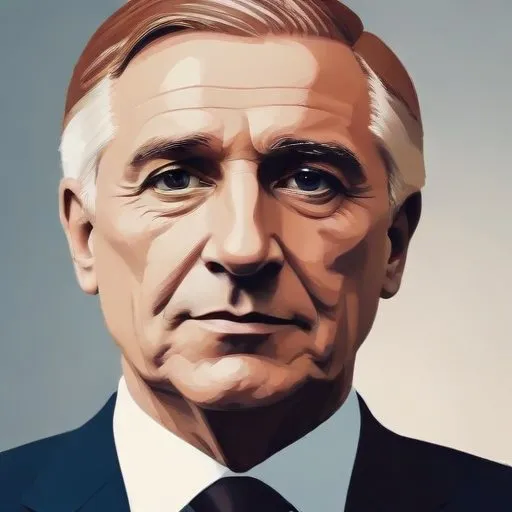
Boris Kidri: The Architect of Slovenian Liberation
A Leading Figure in Slovenian Politics and Revolution
Boris Kidri was a prominent Slovenian and Yugoslav politician and revolutionary who played a pivotal role in the Slovene resistance against Nazi Germany and Fascist Italy during World War II. As the de facto leader of the Liberation Front of the Slovenian People, Kidri was instrumental in organizing and leading the Slovene Partisans, a movement that would ultimately shape the course of Slovenian history.
Early Life and Ideology
Born on April 10, 1912, in Vienna, Austria-Hungary, Kidri was the son of France Kidri, a renowned Slovene liberal literary critic. From a young age, Kidri was drawn to communist ideology, and by the time he was 15, he had already become a committed communist. His early activism and writings led to his arrest and imprisonment for a year, a experience that only strengthened his resolve to fight for social justice and equality.
Political Career
In the early 1930s, Kidri was recruited by Vlado Kozak, a prominent communist publicist, to join the Communist Party of Yugoslavia (CPY). He quickly rose through the ranks, assuming key positions in the Drava Banovina and becoming a founding member of the autonomous Communist Party of Slovenia in 1937. During this period, Kidri was arrested by Austrian police in 1936, following a crackdown on communists by Chancellor
Kurt Schuschnigg.
The Slovene Partisans and World War II
As World War II engulfed Europe, Kidri emerged as a key figure in the Slovene resistance movement. Alongside Milovan Đilas and Ivan Milutinović, he was a leading proponent of the policy of "leftist errors," a strategy that emphasized the importance of cooperation between communist and non-communist forces in the fight against fascism. Kidri's leadership and organizational skills were instrumental in the success of the Slovene Partisans, who waged a guerrilla war against the Axis powers and eventually liberated large swathes of Slovenian territory.
Post-War Career and Legacy
After the war, the Slovenian National Liberation Council appointed Kidri as the first president of the Slovenian socialist government. He played a crucial role in shaping the country's post-war reconstruction and development, working closely with
Edvard Kardelj to build a socialist Yugoslavia. Although Kidri's life was cut short when he died on April 11, 1953, his legacy as a champion of Slovenian liberation and social justice continues to inspire generations of Slovenians and Yugoslavs.
Influence on Modern Society
Kidri's impact on modern society is multifaceted. His leadership during World War II helped pave the way for Slovenian independence and self-determination. His commitment to socialist principles and social justice continues to influence Slovenian politics and society. Moreover, his legacy serves as a powerful reminder of the importance of resistance and solidarity in the face of oppression and inequality.
Personal Milestones and Key Life Events
- April 10, 1912: Born in Vienna, Austria-Hungary
- 1930s: Became a committed communist and joined the Communist Party of Yugoslavia
- 1936: Arrested by Austrian police for communist activities
- 1941-1945: Led the Slovene Partisans during World War II
- 1945: Appointed president of the Slovenian socialist government
- April 11, 1953: Died at the age of 41
Quotes and Memorable Sayings
- "The people will be free, and the people will be victorious!"
- "We will not be defeated, we will not be oppressed, we will rise up and we will triumph!"
Historical Context and Legacy
Kidri's life and legacy are inextricably linked with the complex and tumultuous history of Yugoslavia during World War II and the early Cold War period. His commitment to socialist principles and his leadership during the war helped shape the course of Slovenian and Yugoslav history. As a champion of Slovenian liberation and social justice, Kidri's legacy continues to inspire and influence Slovenian and Yugoslav society to this day.
FAQ
What was Boris Kidričs role in Slovenian politics?
Boris Kidrič was a Slovenian politician who served as the first Prime Minister of Slovenia from 1945 to 1946. He was a key figure in the Slovenian Liberation Front and played a leading role in the countrys struggle for independence during World War II.
How did Boris Kidričs policies shape Slovenias post-war development?
Boris Kidričs policies focused on rebuilding Slovenias economy and infrastructure, which had been devastated during World War II. He implemented a series of reforms aimed at promoting industrialization, agricultural development, and social welfare.
What was Boris Kidričs relationship with Josip Broz Tito?
Boris Kidrič had a close relationship with Josip Broz Tito, the Yugoslavian president. They worked together to implement reforms and policies that benefited both Slovenia and Yugoslavia as a whole.
How did Boris Kidričs leadership style influence Slovenian politics?
Boris Kidričs leadership style was characterized by his commitment to democracy and social justice. He worked to promote unity and cooperation among Slovenian politicians and was instrumental in establishing a stable and functioning government in post-war Slovenia.
What is Boris Kidričs legacy in Slovenian politics?
Boris Kidričs legacy in Slovenian politics is that of a visionary leader who played a crucial role in shaping Slovenias post-war development. He is remembered as a champion of democracy, social justice, and Slovenian independence.