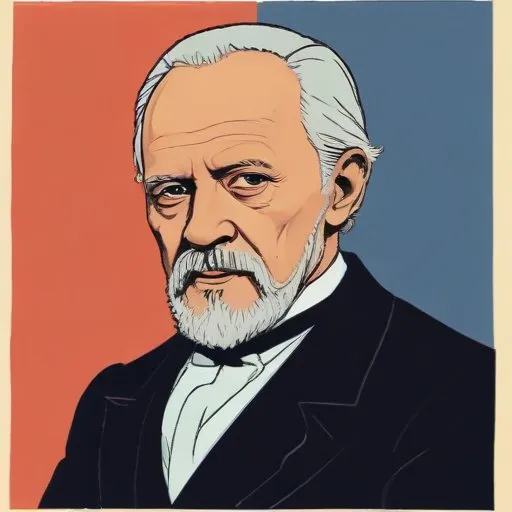
Boris Tchaikovsky: The Unsung Hero of Russian Classical Music
A Master of Orchestral Works and Chamber Music
Boris Tchaikovsky, a Russian composer born in 1925, left an indelible mark on the world of classical music with his contributions to orchestral works, chamber music, and film scores. He is considered a prominent figure of the second generation of Russian composers, following in the footsteps of giants like
Pyotr Ilyich Tchaikovsky and Modest Mussorgsky.
Early Life and Education
Born in Moscow, Boris Tchaikovsky began his musical journey at a young age. He studied piano and composition at the Moscow Conservatory, where he was mentored by none other than
Dmitri Shostakovich, one of the most influential composers of the 20th century.
The Birth of a Style
Tchaikovsky's compositional style was characterized by a unique blend of tonality and serialism. While he experimented with serialism, his works remained deeply rooted in traditional Russian music. This distinctive approach earned him recognition and admiration from his contemporaries, including Shostakovich, who praised his work in letters to Isaak Glikman.
Notable Works
- Symphonietta for String Orchestra (1953): A seminal work that showcases Tchaikovsky's mastery of orchestral writing.
- The Murmuring Forest Orchestral Suite (1953): A picturesque work inspired by Russian folk themes.
- Chamber Symphony for Chamber Orchestra (1967): A technically demanding work that highlights Tchaikovsky's innovative approach to chamber music.
- Symphony No. 3 "Sevastopol" (1980): A powerful work that pays tribute to the heroic city of Sevastopol.
Influence and Legacy
Boris Tchaikovsky's contributions to Russian classical music are undeniable. His music has been performed by renowned orchestras and chamber ensembles worldwide, including the Moscow Chamber Orchestra and the Leningrad Philharmonic. Despite his passing in 1996, his legacy continues to inspire new generations of composers and musicians.
Trivia and Fun Facts
- Tchaikovsky was not related to Pyotr Ilyich Tchaikovsky, despite sharing a similar last name.
- He was an accomplished pianist and accompanist, often performing with prominent Russian musicians.
- Tchaikovsky's music has been featured in numerous films, including the award-winning film "The Star" (1953).
A Life Dedicated to Music
Boris Tchaikovsky's life was a testament to his passion for music. Through his compositions, he left an indelible mark on the world of classical music. Today, his music continues to be celebrated for its beauty, innovation, and Russian spirit.
FAQ
What was Boris Tchaikovskys role in Russian music?
Boris Tchaikovsky was a Russian pianist and composer who played a significant role in shaping the countrys musical heritage. He was known for his innovative compositions and exceptional piano skills.
What is Boris Tchaikovskys most famous composition?
Boris Tchaikovskys most famous composition is his Symphony No. 2, which is considered one of the most important works of Russian classical music. The symphony showcases his mastery of orchestration and thematic development.
How did Boris Tchaikovskys life influence his music?
Boris Tchaikovskys life experiences heavily influenced his music, including his experiences during World War II and his connections to the Russian intelligentsia. His music reflects his deep understanding of Russian culture and history.
What awards did Boris Tchaikovsky receive for his contributions to music?
Boris Tchaikovsky received several awards for his contributions to music, including the USSR State Prize. This honor recognizes his innovative compositions and his contributions to Russian classical music.
What is Boris Tchaikovskys legacy in the world of classical music?
Boris Tchaikovskys legacy is that of a visionary composer and pianist who expanded the boundaries of Russian classical music. His compositions continue to inspire new generations of musicians and composers.