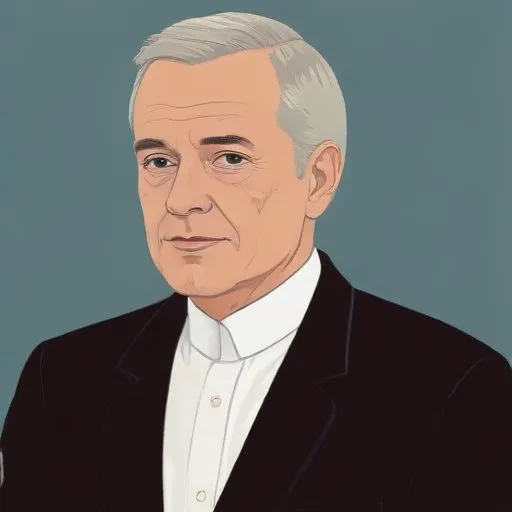
Bram Peper: The Visionary Mayor of Rotterdam
A Leader of Rebuilding and Reform
Bram Peper is renowned for his transformative tenure as the Mayor of Rotterdam, where he oversaw the city's rebirth after World War II. As one of the youngest mayors of a large city in the Netherlands at the time, Peper's innovative approach to urban development and governance left an indelible mark on the city's skyline and its people.
Early Life and Education
Born on February 13, 1940, Peper's academic pursuits took him to the University of Amsterdam, where he studied social sciences until 1965. He subsequently attended the University of Oslo, where he delved into economy and sociology from 1963 to 1964. Peper's academic journey culminated in a PhD from the Nederlandse Economische Hogeschool (now Erasmus University Rotterdam) in 1972.
Rise to Prominence
Peper's academic background laid the foundation for his career as a researcher and professor at the Erasmus University. However, it was his appointment as Mayor of Rotterdam in 1982 that catapulted him into the national spotlight. At just 42 years old, Peper became one of the youngest mayors of a major city in the Netherlands.
Rotterdam's Resurgence
During his mayorship, Peper spearheaded the city's rebuilding efforts, resulting in a modernized skyline that transformed Rotterdam's urban landscape. This period of growth and development was marked by significant challenges, including Peper's high-profile defeat in the formation of a city province, with 90% of voters opposing the initiative.
Controversy and Resilience
In 1984, an interview with Peper and his wife in
Vrij Nederland magazine sparked controversy due to perceived arrogance and allegations of intoxication. Although Peper apologized for the incident, it led to his divorce soon after. Later, in 1999, rumors of incorrect declarations during his mayorship led to his resignation as Minister of the Interior in 2000. However, Peper eventually emerged victorious in the subsequent legal proceedings.
Latter Years and Legacy
Between 2002 and 2004, Peper continued to contribute to public life, leaving an enduring impact on the Netherlands' political and social landscape. Bram Peper's remarkable journey came to an end on August 20, 2022, but his legacy as a visionary leader and urban reformer remains etched in the hearts and minds of the people of Rotterdam.
- "A city is not just about buildings, it's about the people who live in it." - Bram Peper
In conclusion, Bram Peper's life and career serve as a testament to his unwavering commitment to public service, urban development, and the people of Rotterdam. As a trailblazing mayor and minister, his contributions to the Netherlands will continue to inspire future generations of leaders and citizens alike.
FAQ
What is Bram Pepers background in politics?
Bram Peper was a Dutch sociologist and politician who served as the Mayor of Rotterdam from 1982 to 1998. He was a member of the Labour Party and focused on urban renewal and social issues.
How did Bram Pepers term as Mayor of Rotterdam impact the city?
During Pepers tenure, Rotterdam underwent significant urban renewal projects, including the reconstruction of the city center and the development of the Kop van Zuid district.
What academic institutions did Bram Peper affiliate with?
Peper was affiliated with Erasmus University Rotterdam, where he taught sociology and was involved in research projects on urban development and social inequality.
Did Bram Peper receive any notable awards?
Yes, Peper was awarded the Grand Officer of the Order of Orange-Nassau in 1998 for his contributions to Dutch society and politics.
What is Bram Pepers legacy in Dutch politics?
Pepers commitment to social justice and urban renewal has made him a respected figure in Dutch politics, with his legacy continuing to influence urban planning and development in Rotterdam.