


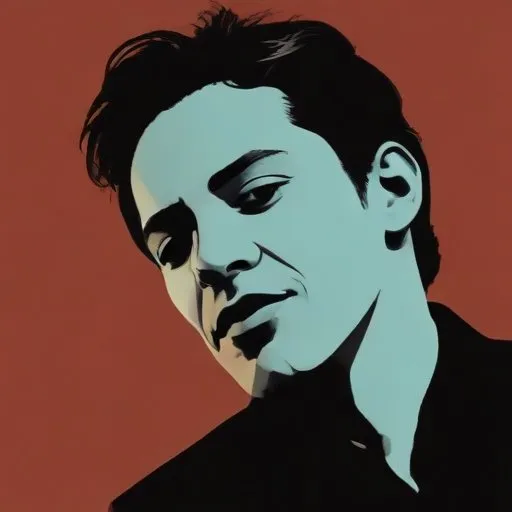
A soulful blues musician, known for his smooth vocals and mastery of the guitar, creating a unique sound that blended traditional blues with modern styles.
Buster Benton is best known for his soulful blues guitar playing and his iconic rendition of Willie Dixon's song "Spider in My Stew". Despite the amputation of parts of both legs later in his career, Benton never stopped playing his unique version of Chicago blues.
Born Arley Benton on July 19, 1932, in Texarkana, Arkansas, Benton grew up surrounded by music. He was heavily influenced by Sam Cooke and B.B. King, which led him to start playing blues in the mid-1950s while living in Toledo, Ohio.
By 1959, Benton was leading his own band in Chicago, where he would go on to release several singles on local record labels such as Melloway, Alteen, Sonic, and Twinight during the 1960s. His early work was a blend of blues and soul, showcasing his versatility as an artist.
In the early 1970s, Benton joined Willie Dixon's Blues All-Stars, playing guitar alongside some of the greatest blues musicians of the time. This collaboration led to his involvement in the 1973 album "The All Star Blues World of Maestro Willie Dixon and His Chicago Blues Band", released by Spivey Records.
It was during this time that Benton recorded his most famous song, "Spider in My Stew", which was written by Willie Dixon. The song became a huge success, giving Benton a level of fame and recognition in the blues community.
In 1974, Benton released his follow-up single "Money Is the Name of the Game", which solidified his position as a rising star in the blues world. The same year, he released his debut solo album "Spider in My Stew" on Ronn Records, which became one of the most highly acclaimed Chicago blues albums of the time.
Benton went on to release three more albums on Ichiban Records, although they did not achieve the same level of commercial success as his earlier work. Despite this, his contributions to the blues genre have left a lasting impact on the music world.
Buster Benton's tenacious spirit and dedication to his craft have inspired generations of blues musicians. His unique playing style and soulful voice have left an indelible mark on the genre, cementing his place as one of the greatest blues guitarists of all time.
Born in 1913
A blues legend who electrified the genre with his signature sound and influential hits like "Hoochie Coochie Man" and "Mannish Boy", shaping the course of rock 'n' roll .
Born in 1910
A blues legend who electrified audiences with his powerful voice and guitar playing, creating a unique sound that influenced many rock and roll artists.
96 Years Old
A pioneering blues harmonica virtuoso and soulful singer, known for revolutionizing the instrument's role in blues music with his innovative, amplified playing style. He's a legendary figure in blues history, influencing many famous musicians.
97 Years Old
A rock 'n' roll pioneer who blended blues, R&B, and rock to create a unique sound, influencing many famous musicians with his innovative guitar playing and songwriting style.
Born in 1926
Rock 'n' roll pioneer who wrote and performed iconic hits like "Johnny B. Goode" and "Maybellene", blending country, blues, and rhythm to create a unique sound.
Born in 1917
A legendary blues musician who mesmerized audiences with his unique, boogie-woogie guitar style and soulful vocals, creating a distinctive sound that influenced many rock and roll artists.
Born in 1915
A legendary blues musician who wrote over 500 songs, including iconic hits like "Hoochie Coochie Man" and "Little Red Rooster", and is often referred to as the "father of modern Chicago blues".
Born in 1924
A blues musician known for his distinctive guitar playing and soulful vocals, influencing many rock and roll artists. He was a key figure in the development of Chicago blues.
