


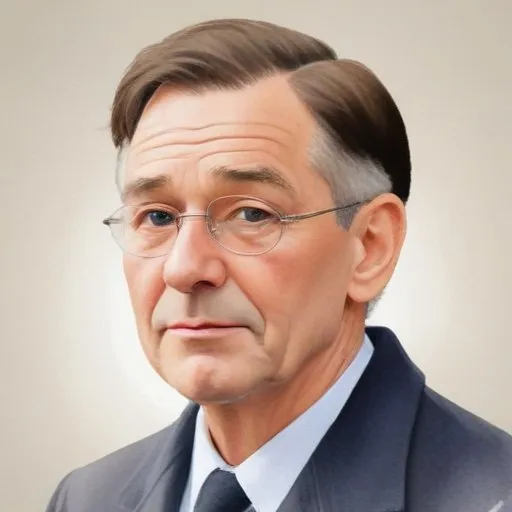
A German-American painter and illustrator renowned for his vibrant depictions of the American Southwest and Native American life. His artwork often blended realism with romanticism, capturing the essence of the region's landscapes and cultures.
Carl Eytel, a German-American artist, is renowned for his breathtaking paintings and drawings of the American Southwest's desert landscapes. His work, deeply rooted in the Sonoran Desert, has left an indelible mark on the art world, earning him a reputation as one of the most celebrated desert artists of his time.
Born as Karl Adolf Wilhelm Eytel on September 12, 1862, in Maichingen, Böblingen, Germany, Carl grew up in a family of modest means. His father, Friedrich Hermann Eytel, a Lutheran minister, passed away when Carl was just a boy, and he became a ward of his grandfather. This early experience shaped his life, instilling in him a strong work ethic and a desire to explore the unknown.
While studying at the German gymnasium, Carl became enamored with the American West, sparked by the writings of Prussian natural science writer and explorer Alexander von Humboldt. This fascination led him to embark on a journey to the United States in 1885, where he worked as a ranch hand in Kansas and later at a slaughterhouse to make ends meet.
In 1891, Carl read an article about the Palm Springs area in the San Francisco Call, and the desert's allure beckoned him. He returned to Germany to study art at the Royal Art School Stuttgart for 18 months, and then reimmigrated to the United States, settling in Palm Springs, California, in 1903.
Carl's extensive knowledge of the Sonoran Desert led him to collaborate with author George Wharton James on the successful book Wonders of the Colorado Desert. Carl contributed over 300 drawings to the 1908 work, solidifying his reputation as a master of desert landscapes.
Despite his artistic success, Carl lived a simple, ascetic life, shunning material wealth and fame. This self-imposed simplicity ultimately led to his poverty-stricken demise on September 17, 1925. However, his artistic legacy endures, with his most celebrated work, Desert Near Palm Springs, proudly displayed in the History Room of the California State Library.
Carl Eytel's remarkable life and artistry serve as a testament to the power of passion, perseverance, and creativity. His contributions to the world of art and our understanding of the American Southwest remain unparalleled, inspiring us to explore and appreciate the beauty of the desert landscape.
Born in 1894
Famous for capturing the essence of American culture through heartwarming and humorous illustrations, this artist's work adorned the covers of The Saturday Evening Post for decades. Their nostalgic and relatable scenes continue to evoke feelings of warmth and nostalgia.
Born in 1882
A renowned painter and illustrator, celebrated for vivid, atmospheric depictions of American history and literature, particularly in classic children's books like Treasure Island and Robinson Crusoe.
Born in 1853
Creator of iconic pirate and American folk hero illustrations, known for his vivid and detailed artwork that has inspired generations of artists and writers.
Born in 1870
A renowned artist celebrated for his dreamlike, vibrant illustrations and paintings that often featured fantastical landscapes and figures, which adorned the covers of popular magazines and books. His work continues to inspire artists and designers today.
Born in 1874
A pioneering illustrator of the early 20th century, known for his iconic Arrow Collar Man advertisements and lavish depictions of American life, which set the standard for modern advertising art.
Born in 1867
Creator of the iconic "Gibson Girl" illustrations, which embodied the ideal of American femininity in the early 20th century, and influenced fashion and beauty standards.
Born in 1755
Portraits of American leaders, including the iconic image of George Washington, are this painter's lasting legacy. Their work continues to shape the visual identity of American history.
Born in 1844
A pioneering American artist who explored the human form through realistic and psychologically complex works, capturing the spirit of his subjects with unflinching honesty.
