


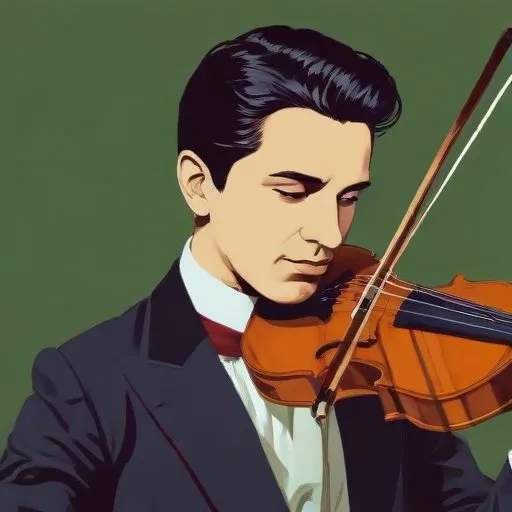
Noted for his virtuosic violin performances and compositions that blended classical and folk elements, he was a prominent figure in Italy's musical scene during the late 19th century.
Carlo Cecere, an Italian composer of operas, concertos, and instrumental duets, is renowned for his contributions to the transitional period between the Baroque and Classical eras. His works, including mandolin duets and a concerto for mandolin, showcase his mastery of diverse musical styles and instruments.
Despite living in the 18th century, surprisingly little is known about Cecere's life. Born on November 7, 1706, in Grottole, Basilicata, he spent most of his life in Naples, where he died on February 15, 1761. He was buried in the chapel of the Congregazione dei Musici di S. Maria la Nuova. The exact instruments he played by preference remain a mystery, with some sources suggesting he was a violinist, while others believe he was a flautist.
Cecere set to music at least two librettos by Pietro Trinchera, including La tavernola abentorosa, a satirical portrayal of monastic life that was considered a buffoonish mockery. This was the first comic opera written specifically for a monastic audience. Unfortunately, Trinchera, not Cecere, was punished for the opera's provocative content.
Carlo Cecere's music reflects the transition from Baroque to Classical styles, showcasing his adaptability and innovative approach to composition. His operas and instrumental duets continue to delight audiences, offering a glimpse into the evolution of classical music. Though his life remains somewhat of an enigma, Cecere's music has left an indelible mark on the world of classical music.
Carlo Cecere's remarkable contributions to classical music continue to inspire and influence composers and musicians to this day. His legacy serves as a testament to the power of music to transcend time and leave a lasting impact on our cultural heritage.
Born in 1782
A virtuosic violinist and composer who revolutionized the instrument's technical possibilities, leaving an indelible mark on classical music.
Born in 1792
Operatic mastermind behind iconic comedies like "The Barber of Seville" and "William Tell," crafting catchy, witty, and playful music that still delights audiences today.
Born in 1797
A renowned Italian composer of the Romantic era, best known for his operas, particularly "L'elisir d'amore" and "Don Pasquale", which are still widely performed today.
Born in 1801
Operatic mastermind behind bel canto classics like "Norma" and "La Sonnambula", renowned for their beautiful, expressive melodies and dramatic flair.
Born in 1740
An 18th-century Italian composer and educator, known for his operas and contributions to the development of classical music. His works were widely performed and admired by European royalty and aristocracy.
Born in 1749
An 18th-century Italian composer and educator, known for his operas and sacred music, particularly his comic operas that showcased his mastery of melody and harmony.
Born in 1743
A renowned Italian cellist and composer, known for his contributions to the classical music repertoire, particularly his iconic "Minuet" from String Quintet in E major, Op. 11, No. 5.
Born in 1752
A renowned pianist, composer, and conductor who revolutionized piano music with his technically demanding and expressive compositions, influencing generations of musicians.
