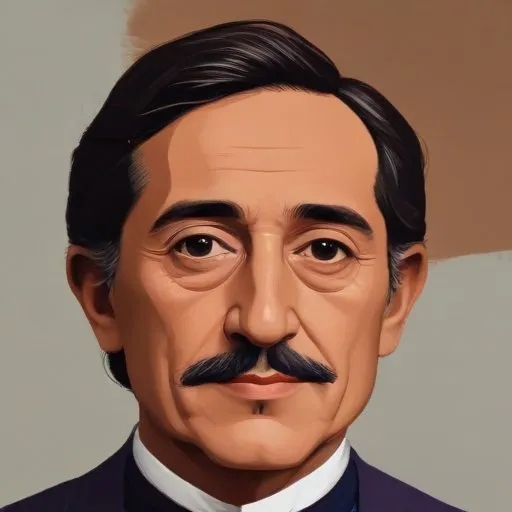
Carlos Pellicer: The Modernist Poet Who Redefined Mexican Art
Carlos Pellicer, a luminary of modernist Mexican poetry, is renowned for his vivid depictions of nature and his robust promotion of Mexican art, literature, and culture. Through his work, he has left an indelible mark on the country's cultural landscape, influencing generations of artists, writers, and thinkers.
Early Life and Education
Born on January 10, 1897, in Villahermosa, Pellicer spent his formative years studying in Mexico City. This experience would shape his worldview and inform his artistic vision.
The Development of Modernist Poetry
Pellicer's early poems, as seen in
Colores en el mar (Colors in the Sea, 1921) and
Piedra de sacrificios (Stone of Sacrifice, 1924), evoked serene and idyllic landscapes. However, as he matured, his work explored the historical and spiritual dimensions of nature, transcending mere description to reveal deeper truths.
Promoting Mexican Art and Culture
Pellicer was an ardent champion of Mexican art, collaborating with notable figures such as
Diego Rivera,
José Clemente Orozco, and Xavier Guerrero. Together, they founded the Grupo Solidario del Movimiento Obrero (Solidarity Group of the Workers' Movement) in 1921. This collective aimed to promote social and cultural change through art.
Awards and Recognition
In 1976, Pellicer's contributions to Mexican culture were recognized when he was elected to the Senate, representing Tabasco for the PRI.
Legacy and Impact
Octavio Paz, a fellow poet and critic, praised Pellicer's work, stating, "A great poet, Pellicer taught us to see the world through different eyes, and in doing so modified Mexican poetry." Pellicer's poetry, characterized by its luminous metaphors and interminable praise of the world, has inspired generations of writers and artists.
Museums and Cultural Institutions
Pellicer played a crucial role in establishing several museums, including the
Frida Kahlo Museum and the Anahuacalli Museum in Mexico City. A small archaeology museum in Tepoztlán, Morelos, bears his name, a testament to his enduring legacy.
Personal Milestones
Throughout his life, Pellicer lectured on modern poetry at the National Autonomous University of Mexico and served as the director of the Department of Fine Arts. His commitment to education and cultural development continues to inspire.
Timeline of Milestones
- 1897: Born in Villahermosa
- 1921: Co-founds the Grupo Solidario del Movimiento Obrero
- 1921: Publishes Colores en el mar
- 1924: Publishes Piedra de sacrificios
- 1976: Elected to the Senate, representing Tabasco for the PRI
- 1977: Passed away on February 16
Carlos Pellicer's remarkable life and achievements serve as a testament to the transformative power of art and culture. His legacy continues to captivate and inspire, ensuring his place as one of Mexico's most beloved and revered poets.
FAQ
What is Carlos Pellicers contribution to Mexican literature?
Carlos Pellicer was a renowned Mexican poet and academic who made significant contributions to Mexican literature. His poetry is known for its lyricism and depth, and he was a key figure in the development of modern Mexican poetry.
What is Carlos Pellicers educational background?
Carlos Pellicer pursued his higher education at the University of Mexico, where he studied law and literature. He later went on to teach at the same university and became a respected academic.
What kind of poetry did Carlos Pellicer write?
Carlos Pellicers poetry is characterized by its lyricism, depth, and exploration of themes such as love, nature, and Mexican identity. His poetry is widely regarded as some of the most important and influential in Mexican literature.
What is Carlos Pellicers legacy in Mexican academia?
Carlos Pellicers legacy in Mexican academia is that of a respected teacher and scholar who inspired generations of students and scholars. He was a champion of Mexican culture and literature, and his work continues to be widely studied and admired.
What awards did Carlos Pellicer receive for his poetry?
Carlos Pellicer received several awards and honors for his poetry, including the prestigious Xavier Villaurrutia Award. His work has been widely praised and recognized for its beauty and depth.