


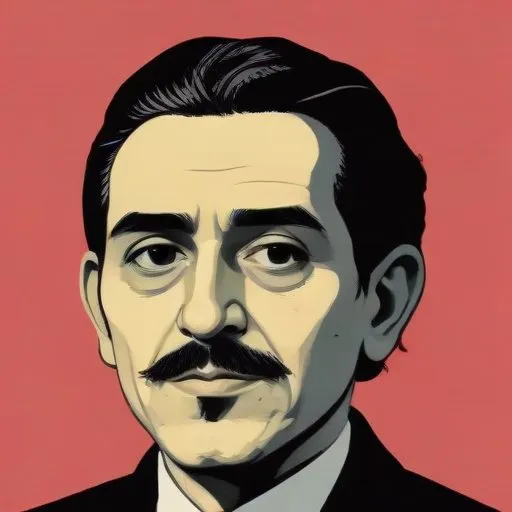
A leading figure in Mexican modernist literature, known for exploring themes of love, death, and the human condition through lyrical poetry and innovative plays.
Xavier Villaurrutia is renowned for his short theatrical dramas, collectively known as "Autos profanos", which continue to captivate audiences with their unique blend of poetry and theatre. His work, "Poesía y teatro completos", published posthumously in 1953, is a testament to his innovative approach to storytelling.
Born in Mexico City on March 27, 1903, Villaurrutia's affinity for writing emerged during his studies at the Escuela Nacional Preparatoria and Escuela de Jurisprudencia. He was drawn to the world of literature, and his passion only grew stronger with time.
In 1928, Villaurrutia joined the "grupo de los Contemporneos", a collective of like-minded writers and artists who sought to revolutionize Mexican literature. This association had a profound impact on his work, allowing him to experiment with new forms and styles.
In 1935, Villaurrutia received a prestigious scholarship from the Rockefeller Foundation, which enabled him to study theatre at Yale University. This experience not only broadened his cultural horizons but also deepened his understanding of dramatic art.
Upon his return to Mexico in 1937, Villaurrutia founded the country's first experimental theatre, paving the way for future generations of playwrights and directors. This pioneering endeavour cemented his status as a visionary in the Mexican cultural scene.
Villaurrutia's poetic works, including "Reflejos" (1926) and "Nocturnos" (1933), showcase his mastery of language and form. His writing became increasingly introspective and darker in tone, as seen in "Nostalgia de la muerte" (1938) and "Décima muerte" (1941).
Villaurrutia's innovative approach to theatre, which blended poetry and drama, has had a lasting impact on Mexican and international theatre. His work continues to inspire playwrights and directors, ensuring his legacy as a trailblazer in the world of theatre.
Along with fellow writer Salvador Novo, Villaurrutia co-founded the influential magazine "Ulises" in 1927, providing a platform for avant-garde writers and artists. This collaboration highlights the importance of creative partnerships in shaping artistic movements.
Xavier Villaurrutia's contributions to Mexican literature and theatre are immeasurable. His work continues to captivate audiences, inspiring new generations of writers, poets, and playwrights to push the boundaries of their craft.
Villaurrutia's life and work serve as a reminder of the profound impact that creative visionaries can have on their respective fields. His legacy continues to inspire and challenge artists, ensuring his place as a luminary in the world of Mexican literature and theatre.
Born in 1914
A Mexican poet and diplomat who won the Nobel Prize in Literature in 1990 for his work that explores the intersection of poetry, philosophy, and politics. He's known for his lyrical and introspective style that explores the human condition.
Born in 1904
A prominent figure in Mexican literature, known for his avant-garde poetry and plays that explored themes of love, identity, and social critique. His work continues to influence contemporary Mexican writers and artists.
Born in 1889
A leading figure in Mexican literature, known for his poetry, essays, and literary criticism that explored the intersection of Mexican identity and European culture.
Born in 1914
A leading figure in Mexican modernist poetry, known for his innovative use of language and exploration of themes such as love, death, and social justice.
Born in 1897
A renowned poet and educator who explored the intersection of Mexican identity and modernist aesthetics, leaving a lasting impact on Latin American literature.
