


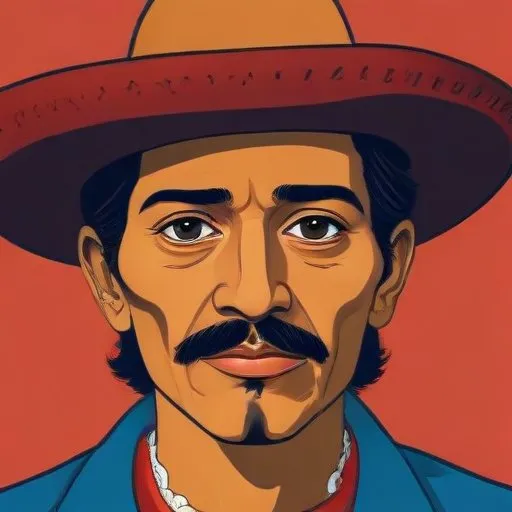
A leading figure in Mexican modernist poetry, known for his innovative use of language and exploration of themes such as love, death, and social justice.
Efran Huerta, a renowned Mexican poet and journalist, is best known for his poignant and evocative works that delved into the complexities of Mexican society, politics, and culture. With a career spanning over five decades, Huerta's literary contributions continue to inspire and influence generations of writers, artists, and intellectuals.
Born on June 18, 1914, in Silao, Guanajuato, Mexico, Huerta grew up amidst the tumultuous backdrop of the Mexican Revolution. His early life was marked by family struggles and relocations, eventually settling in Mexico City, where he pursued a career in art.
Despite being rejected from the prestigious Academy of San Carlos, Huerta went on to attend the Escuela Preparatoria Nacional, where he befriended prominent writers such as Rafael Solana, Carmen Toscano, and Octavio Paz. This network of literary connections would later shape his writing style and creative trajectory.
Huerta began writing poetry at a young age, but initially chose to pursue a law degree. However, the publication of his first book of poems led him to abandon law school and dedicate himself to writing full-time.
Throughout his career, Huerta published numerous collections of poetry, actively contributing to over twenty newspapers and journals, often using pseudonyms. His work was characterized by its colloquial style, focusing on Mexico City, and experimenting with innovative forms, such as the "poemnimo."
Huerta was an ardent communist and Stalin supporter, and his political ideology heavily influenced his writing. His poetry often reflected his socialist beliefs, critiquing the social and economic inequalities plaguing Mexican society.
Huerta is regarded as a pivotal figure in the Taller generation of Mexican poets, a group known for their experimental and avant-garde style. Despite deviating from the traditional Taller aesthetic, Huerta's unique voice and perspective enriched the literary landscape of Mexico.
His literary contributions have been recognized with various awards and honors, solidifying his position as one of Mexico's most esteemed poets and journalists.
Today, Efran Huerta's legacy extends beyond the realm of literature, influencing Mexican culture, politics, and society as a whole. His commitment to social justice, his innovative approach to poetry, and his unyielding passion for his craft continue to inspire generations of writers, artists, and thinkers.
Huerta's life and work serve as a testament to the transformative power of art, highlighting the importance of creative expression in shaping our understanding of the world and ourselves.
Born in 1914
A Mexican poet and diplomat who won the Nobel Prize in Literature in 1990 for his work that explores the intersection of poetry, philosophy, and politics. He's known for his lyrical and introspective style that explores the human condition.
Born in 1889
A leading figure in Mexican literature, known for his poetry, essays, and literary criticism that explored the intersection of Mexican identity and European culture.
Born in 1904
A prominent figure in Mexican literature, known for his avant-garde poetry and plays that explored themes of love, identity, and social critique. His work continues to influence contemporary Mexican writers and artists.
Born in 1903
A leading figure in Mexican modernist literature, known for exploring themes of love, death, and the human condition through lyrical poetry and innovative plays.
Born in 1889
A Chilean poet and educator who was the first Latin American to win the Nobel Prize in Literature, known for her passionate and introspective poetry that explores themes of love, nature, and social justice.
