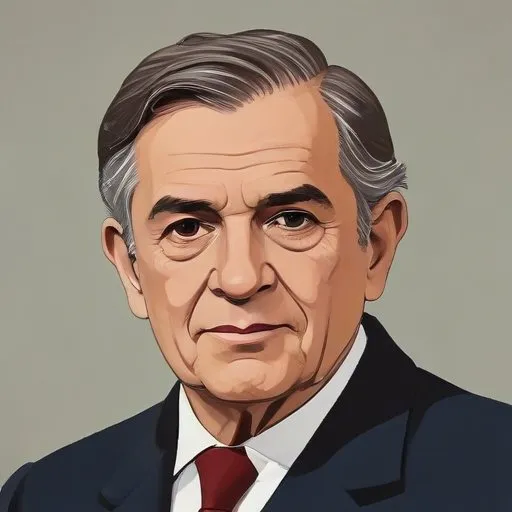
Carlos Saavedra Lamas: The Pioneering Force Behind Labor Legislation and International Peace
A Champion of Peace and Labor Reform
Carlos Saavedra Lamas, a renowned Argentine academic and politician, is best known for being the first Latin American to receive the Nobel Peace Prize in 1936. His groundbreaking work in drafting international agreements and conducting international mediation earned him this prestigious recognition.
Early Life and Education
Born on November 1, 1878, in Buenos Aires, Saavedra Lamas was a descendant of an early Argentine patriot. He married the daughter of President Roque Senz Peña, further solidifying his connection to Argentina's rich history. Saavedra Lamas' academic journey began at Lacordaire College, followed by the University of Buenos Aires Faculty of Law, where he earned his Doctor of Laws degree in 1903, summa cum laude.
A Lifetime of Academic Achievements
Saavedra Lamas' teaching career spanned over 40 years, during which he held various professorships in law, constitutional history, and sociology at the University of La Plata and the University of Buenos Aires. He eventually served as the rector of the University of Buenos Aires, further cementing his reputation as a leading academician.
Pioneering Labor Legislation
Saavedra Lamas was a pioneer in the field of labor legislation, editing several influential treatises on the subject. Some of his notable works include:
- Centro de legislación social y del trabajo (1927) - Center of Social and Labor Legislation
- Traits internationaux de type social (1924)
- Código nacional del trabajo (1933) - National Code of Labor Law
These works contributed significantly to the development of labor laws in Argentina and beyond.
Awards and Honors
Saavedra Lamas' outstanding achievements were recognized through various awards and honors, including:
- 1936 Nobel Peace Prize
- Doctor honoris causa from the University of Paris
Legacy and Impact
Saavedra Lamas' legacy extends far beyond his impressive academic and political career. His work in labor legislation and international peace has had a lasting impact on modern society. He played a crucial role in the founding of the International Labor Organization (ILO) in 1919 and presided over the ILO Conference of 1928 in Geneva.
Personal Milestones and Key Life Events
Throughout his life, Saavedra Lamas experienced several significant milestones, including:
- 1903: Earned his Doctor of Laws degree, summa cum laude, from the University of Buenos Aires
- 1919: Supported the founding of the International Labor Organization
- 1928: Presided over the ILO Conference in Geneva
- 1936: Awarded the Nobel Peace Prize
Quotes and Memorable Sayings
Saavedra Lamas' words continue to inspire generations, emphasizing the importance of peace and labor reform:
"Peace is not only the absence of war, but the harmonious development of human relations."
"Labor is not just a factor of production, but a fundamental human right."
Historical Context and Legacy
Saavedra Lamas' life and work are a testament to the power of dedication and perseverance. His pioneering efforts in labor legislation and international peace have left an indelible mark on history. As the first Latin American to receive the Nobel Peace Prize, he paved the way for future generations of scholars and leaders.
FAQ
What was Carlos Saavedra Lamas profession?
Carlos Saavedra Lamas was an academic and politician. He was a professor of law and later served as the President of the University of Buenos Aires.
What award did Carlos Saavedra Lamas win?
Carlos Saavedra Lamas won the Nobel Peace Prize in 1936 for his role in negotiating the Treaty of Peace, Friendship, and Boundaries between Argentina and Chile.
What was Carlos Saavedra Lamas role in Argentine politics?
Carlos Saavedra Lamas served as the Foreign Minister of Argentina from 1932 to 1938. During this time, he played a key role in promoting peace and cooperation between Argentina and its neighbors.
What was Carlos Saavedra Lamas contribution to international law?
Carlos Saavedra Lamas made significant contributions to the development of international law, particularly in the areas of arbitration and mediation. He was a strong advocate for the peaceful resolution of international disputes.
Is Carlos Saavedra Lamas considered a prominent figure in Argentine history?
Yes, Carlos Saavedra Lamas is considered a prominent figure in Argentine history and a leading figure in the development of international law. His contributions to peace and cooperation have made him a respected figure in Argentina and beyond.