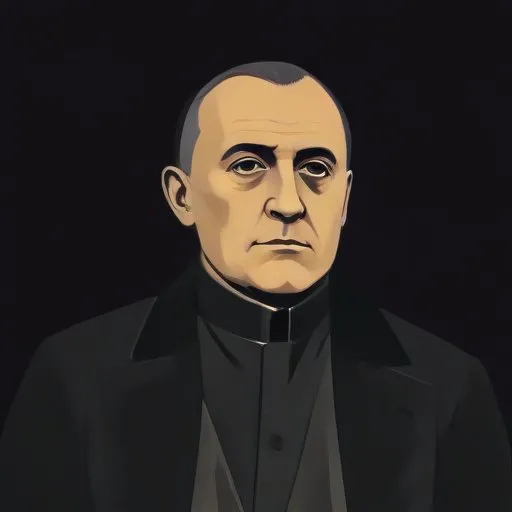
Carl von Ossietzky: The Fearless Pacifist and Nobel Laureate
A Beacon of Courage in the Face of Tyranny
Carl von Ossietzky was a German journalist and pacifist who risked everything to expose the clandestine rearmament of Germany, violating the Treaty of Versailles, and criticizing the rising militarism of the Nazi regime. His bravery earned him the 1935 Nobel Peace Prize, but at a great personal cost.
Early Life and Influences
Born on October 3, 1889, in Hamburg, Germany, Ossietzky was the son of Carl Ignatius von Ossietzky, a stenographer, and Rosalie Pratzka, a devout Catholic. After his father's death when Ossietzky was just two years old, his mother hoped he would enter the priesthood. Instead, Ossietzky was drawn to journalism, becoming a passionate advocate for peace and human rights.
The Crusading Journalist
As editor-in-chief of the magazine
Die Weltbühne, Ossietzky published a series of explosive exposés in the late 1920s, revealing Germany's secret rearmament and training of pilots in the Soviet Union. These revelations led to his conviction for treason and espionage in 1931, and he was sentenced to 18 months in prison. Despite being granted amnesty in 1932, Ossietzky continued to speak out against German militarism, even after the Nazi party rose to power.
The Brutal Price of Defiance
Following the 1933 Reichstag fire, Ossietzky was re-arrested and sent to the Esterwegen concentration camp, where he endured brutal torture, as attested by the International Red Cross. Despite his ordeal, Ossietzky remained defiant, continuing to criticize the Nazi regime from within the camp.
The Nobel Peace Prize and International Recognition
In 1936, Ossietzky was awarded the 1935 Nobel Peace Prize for his courageous work in exposing German rearmament. However, the Nazi regime forbade him from traveling to Norway to accept the prize. This international recognition only added to Ossietzky's hardship, as he remained imprisoned and subjected to mistreatment in various concentration camps.
A Life Cut Short
After more than five years in police custody, Ossietzky died on May 4, 1938, in a Berlin hospital, succumbing to tuberculosis. His sacrifice and unwavering commitment to peace and human rights continue to inspire generations, serving as a powerful reminder of the importance of standing up against tyranny and oppression.
Legacy and Impact
Carl von Ossietzky's remarkable story is a testament to the power of courage and conviction in the face of overwhelming adversity. His work continues to influence contemporary debates on peace, human rights, and the dangers of militarism. As a beacon of hope and defiance, Ossietzky's legacy endures, inspiring us to stand up for what is right, even in the darkest of times.
Quotes and Memorable Sayings
- "What is the point of a pacifist movement if it doesn't dare to enter the lion's den?"
- "War is a relic of the past, and those who refuse to adapt will be crushed by the weight of history."
Historical Context and Comparative Analysis
Ossietzky's work and legacy are often compared to those of other notable pacifists and Nobel laureates, such as
Bertha von Suttner and
Jane Addams. His struggle against Nazi militarism parallels the efforts of other individuals and organizations fighting against fascist regimes in Europe during the 1930s.
FAQ
What was Carl von Ossietzkys most famous publication?
Carl von Ossietzkys most famous publication was the German magazine Die Weltbühne, which he edited from 1927 to 1933.
What inspired Carl von Ossietzkys pacifist views?
Carl von Ossietzkys pacifist views were inspired by his experiences during World War I, where he served in the German Army.
How did Carl von Ossietzkys journalism impact German politics?
Carl von Ossietzkys journalism had a significant impact on German politics, exposing corruption and criticizing the rise of Nazism in Germany.
What was Carl von Ossietzkys experience in concentration camps?
Carl von Ossietzky was imprisoned in concentration camps by the Nazi regime, where he suffered from tuberculosis and eventually died in 1938.
What impact did Carl von Ossietzky have on German journalism?
Carl von Ossietzky had a significant impact on German journalism, inspiring future generations of journalists to speak truth to power and advocate for social justice.