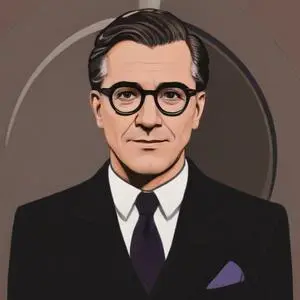
Cedric Gibbons: The Visionary Art Director Behind the Silver Screen
A Legacy of Artistic Excellence
Cedric Gibbons, a prolific art director, left an indelible mark on the film industry with his trailblazing designs and iconic creations. He is perhaps best known for designing the Oscar statuette in 1928, a testament to his artistic prowess and innovative spirit.
Early Life and Inspirations
Born on March 23, 1890, in New York City, Gibbons was the son of Irish architect Austin P. Gibbons and American Veronica Fitzpatrick Simmons. His early exposure to art and architecture, courtesy of his father's influence, laid the foundation for his future success. After studying at the Art Students League of New York in 1911, Gibbons began his career as a junior draftsman in his father's office.
Breaking into the Film Industry
Gibbons' foray into the film industry commenced in 1915, when he joined the art department at Edison Studios under Hugo Ballin in New Jersey. During World War I, he served in the US Navy Reserves at Pelham Bay, New York. After the war, he joined Goldwyn Studios, which eventually merged with Metro-Goldwyn-Mayer (MGM) in 1924. This marked the beginning of a long and illustrious career at MGM, where Gibbons would go on to create some of his most memorable works.
Rise to Prominence
In 1925, Gibbons' talents caught the attention of studio executive
Irving Thalberg, who tasked him with working on the epic film "Ben-Hur." This opportunity allowed Gibbons to showcase his knowledge of the emerging art moderne style, later known as art deco, which propelled him to the forefront of the MGM art department.
Oscar Glory and Industry Recognition
Gibbons' design of the Oscar statuette in 1928 cemented his status as a visionary artist. As one of the original 36 founding members of The Academy of Motion Picture Arts and Sciences, he would go on to be nominated for the Academy Award for Best Production Design a record 39 times, winning an impressive 11 Oscars.
Notable Works and Collaborations
Some of Gibbons' most notable works include:
- "Ben-Hur" (1925)
- "The Wizard of Oz" (1939)
- "Anchors Aweigh" (1945)
- "Singin' in the Rain" (1952)
- "Somebody Up There Likes Me" (1956)
Gibbons' collaborations with other industry legends, such as Romain De Tirtoff (Erte), Joseph Wright, Merrill Pye, and
Richard Day, further solidified his reputation as a master of his craft.
Legacy and Impact
Cedric Gibbons' contributions to the film industry extend far beyond his impressive awards tally. His innovative designs, bold artistic vision, and commitment to excellence have inspired generations of filmmakers and artists. As a testament to his enduring legacy, Gibbons' work continues to influence modern film production design, ensuring his impact will be felt for years to come.
Personal Milestones and Later Life
Gibbons retired from MGM as art director and head of the art department on April 26, 1956, due to ill health. He passed away on July 26, 1960, leaving behind a rich cultural heritage and a body of work that continues to inspire and captivate audiences worldwide.
FAQ
Who was Cedric Gibbons?
Cedric Gibbons was an Irish-American art director and production designer who was active in Hollywood during the Golden Age of cinema. He is best known for his work on classic films such as The Wizard of Oz and Singin in the Rain.
What were Cedric Gibbons achievements in film design?
Cedric Gibbons was a highly acclaimed art director who won several Academy Awards for his work on classic films. He was known for his innovative use of color, lighting, and set design, and his ability to create memorable cinematic landscapes.
Did Cedric Gibbons have a career beyond film?
Yes, Cedric Gibbons was also a successful businessman who founded the Gibbons Company, a leading film production company of its time. He was a prominent figure in Hollywood society, and was known for his charm and wit.
Is Cedric Gibbons still remembered today?
Yes, Cedric Gibbons is still celebrated as a pioneering figure in film design, and his work continues to influence art directors and production designers to this day.
What was Cedric Gibbons contribution to film history?
Cedric Gibbons work played a significant role in shaping the visual style of classic Hollywood cinema, and his innovative designs continue to inspire filmmakers and designers around the world.