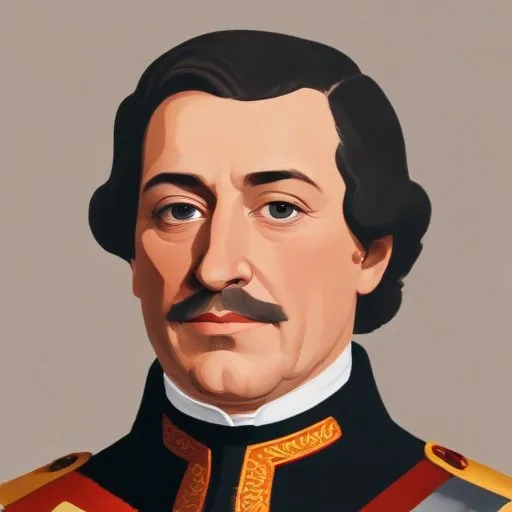
A German Royal of Distinction: Charles Alexander, Margrave of Brandenburg-Ansbach
A Military Commander and Administrator Extraordinaire
Charles Alexander, Margrave of Brandenburg-Ansbach, is renowned for his impressive military career, administrative prowess, and significant contributions to the development of his territories. Born on February 24, 1736, in Ansbach, Bavaria, Charles Alexander rose to prominence as a trusted commander and leader, earning the respect of his contemporaries and leaving a lasting legacy in German history.
Rise to Prominence: Military Career and Territorial Administration
Charles Alexander's military career spanned several decades, during which he demonstrated exceptional bravery and strategic acumen. He fought in the Seven Years' War (1756-1763) and later served as the Governor of Erfurt (1764-1769). His administrative skills were soon recognized, and he became the Margrave of Brandenburg-Ansbach in 1757, a position he held until his death in 1806.
Reforms and Contributions: Shaping the Future of Brandenburg-Ansbach
As the Margrave of Brandenburg-Ansbach, Charles Alexander implemented numerous reforms, which had a profound impact on the region's development. He encouraged education, established a modern postal system, and promoted agriculture. His efforts led to significant economic growth, making Brandenburg-Ansbach one of the most prosperous territories in Germany.
Personal Life and Relationships
Charles Alexander was known for his close relationships with his family and friends. He married Elizabeth Storb, a commoner, in 1759, and the couple had two sons. Despite facing opposition from the royal family, Charles Alexander remained devoted to his wife and children.
Historical Context and Legacy
Charles Alexander's life and achievements must be viewed within the context of 18th-century Germany, a period marked by territorial conflicts, royal power struggles, and Enlightenment ideals. His commitment to modernization, education, and economic growth had a lasting impact on Brandenburg-Ansbach, cementing his position as one of the most progressive rulers of his time.
Timeline of Key Events
- February 24, 1736: Born in Ansbach, Bavaria
- 1756-1763: Fought in the Seven Years' War
- 1757: Became the Margrave of Brandenburg-Ansbach
- 1759: Married Elizabeth Storb
- 1764-1769: Served as the Governor of Erfurt
- 1806: Died in Ansbach, Bavaria
Fun Facts and Trivia
- Charles Alexander was an accomplished linguist, speaking multiple languages, including French, English, and Italian.
- He was an avid collector of art and sponsored several artists during his reign.
- The Margrave's love for horses led him to establish a renowned horse breeding program in Brandenburg-Ansbach.
A Lasting Legacy
Charles Alexander, Margrave of Brandenburg-Ansbach, left an indelible mark on German history, shaping the destiny of his territories through his vision, courage, and dedication. His commitment to progress, education, and economic growth continues to inspire generations, solidifying his place as one of the most remarkable leaders of the 18th century.
FAQ
What was the role of Charles Alexander, Margrave of Brandenburg-Ansbach in the Prussian army?
Charles Alexander, Margrave of Brandenburg-Ansbach, played a significant role in the Prussian army, serving as a Lieutenant-General and Inspector-General of the Infantry, and was known for his military reforms and leadership during the Seven Years War.
What were the key achievements of Charles Alexander, Margrave of Brandenburg-Ansbach?
Charles Alexander, Margrave of Brandenburg-Ansbach, achieved several notable milestones, including the reorganization of the Prussian army, the establishment of the Cadet Corps, and the development of the Ansbach-Bayreuth army.
What was the relationship between Charles Alexander, Margrave of Brandenburg-Ansbach and Frederick the Great?
Charles Alexander, Margrave of Brandenburg-Ansbach, had a close relationship with Frederick the Great, King of Prussia, who valued his military expertise and appointed him to key positions, including Lieutenant-General and Inspector-General of the Infantry.
What was the legacy of Charles Alexander, Margrave of Brandenburg-Ansbach?
Charles Alexander, Margrave of Brandenburg-Ansbach, left a lasting legacy in the Prussian army, known for his military reforms, leadership, and contributions to the development of the Ansbach-Bayreuth army.
What was Charles Alexander, Margrave of Brandenburg-Ansbachs early life like?
Charles Alexander, Margrave of Brandenburg-Ansbach, was born in 1736 and received a thorough education, including military training, which prepared him for his future role in the Prussian army.