


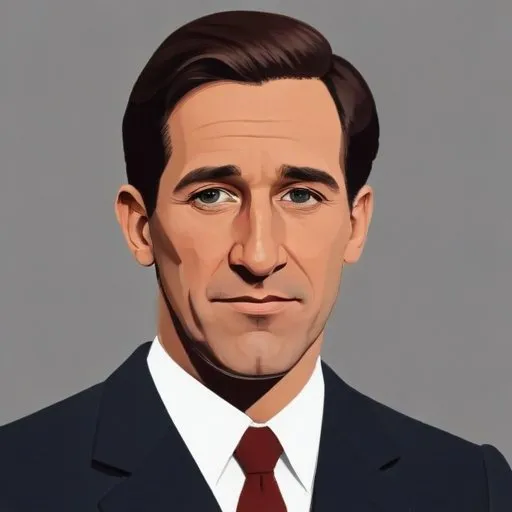
Co-founder of the Christie Film Company, a pioneer in the early film industry, producing and distributing silent movies. Known for his contributions to the development of Hollywood's film industry.
Charles Christie, a pioneering filmmaker and entrepreneur, is best known for revolutionizing the motion picture industry with his innovative camera techniques and founding the first film studio in Hollywood, California. With a career spanning over four decades, Christie left an indelible mark on the world of cinema, shaping the way stories were told and paving the way for future generations of filmmakers.
Born on October 14, 1885, in London, Ontario, Canada, Christie's fascination with the moving image began at a young age. He started his career as a projectionist in a small theater, where he experimented with camera techniques and developed a passion for storytelling. In 1908, Christie relocated to California, where he co-founded the Nestor Film Company, the first film studio in Hollywood.
Christie's innovative spirit led to several groundbreaking contributions to film technology. He developed the first camera crane, allowing for smoother and more dynamic camera movements. He also introduced the concept of the "fade-out," a technique that enabled seamless transitions between scenes. These innovations transformed the filmmaking process, granting filmmakers greater creative freedom and control.
Christie's personal life was marked by significant milestones, including his marriage to actress and filmmaker, Sonya Levien, in 1919. The couple had two children together and were known for their supportive partnership, both on and off screen.
Christie's approach to filmmaking was rooted in his belief that cinema should be a medium for education and social commentary. He strove to create films that not only entertained but also inspired and informed audiences. His commitment to social responsibility was reflected in his films, which often tackled complex issues of the time.
Charles Christie's legacy extends far beyond his own films. He played a crucial role in shaping the Hollywood film industry, paving the way for future generations of filmmakers. His innovative spirit, entrepreneurial drive, and commitment to social responsibility continue to inspire filmmakers today.
Christie's work and legacy are often compared to those of his contemporaries, such as D.W. Griffith and Cecil B. DeMille. While each of these filmmakers made significant contributions to the industry, Christie's emphasis on innovation and social responsibility set him apart from his peers.
Charles Christie's impact on popular culture is evident in the many films and TV shows that have been inspired by his work. His pioneering spirit and commitment to innovation have influenced generations of filmmakers, from Martin Scorsese to Quentin Tarantino.
In conclusion, Charles Christie's remarkable life and career serve as a testament to the power of innovation, creativity, and social responsibility. As a pioneering filmmaker and entrepreneur, he left an indelible mark on the film industry, shaping the way stories were told and inspiring future generations of filmmakers.
Born in 1860
Pioneering filmmaker credited with inventing the first practical motion picture camera and producing the first film, "Blacksmith Scene." He paved the way for the development of modern cinema.
Born in 1847
A pioneer in innovation, credited with developing groundbreaking inventions that revolutionized the way people live and communicate, including the light bulb and phonograph.
Born in 1830
Pioneering photographer and cinematographer who created the first motion pictures, capturing sequences of animal and human movement in a series of still images. Known for his groundbreaking work in motion photography and its influence on the development of film.
Born in 1854
Founded the company that revolutionized photography by making it accessible and affordable to the masses through innovative film and camera technologies. Known for pioneering the development of roll film and the first point-and-shoot camera.
Born in 1867
Co-founder of Universal Studios, a pioneer in the American film industry, credited with creating the first Hollywood film studio and producing hundreds of silent films. Known for revolutionizing the film industry with innovative marketing and production techniques.
Born in 1875
Pioneering filmmaker behind groundbreaking silent movies, credited with developing innovative camera techniques and narrative storytelling styles.
Born in 1892
A pioneering actress, producer, and screenwriter who co-founded United Artists, revolutionizing the film industry with her creative vision and business acumen. She was a silent film star and one of the most popular actresses of her time.
