


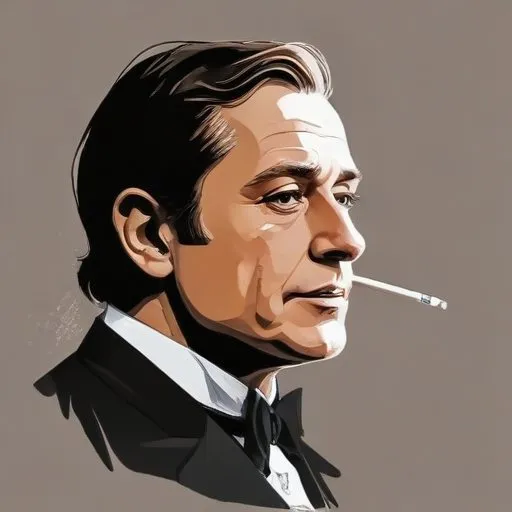
Charles Hall, a renowned Anglo-German pianist and conductor, founded the Hallé Orchestra in 1858, leaving an indelible mark on the world of classical music. He is celebrated for being the first pianist to perform the complete series of Beethoven's piano sonatas in England, a feat that contributed significantly to the popularization of Beethoven's work in the country.
Born Karl Halle on April 11, 1819, in Hagen, Westphalia, Hall received his initial music lessons from his father, an organist. Displaying remarkable talent from a young age, he performed a sonatina in public at the tender age of four and played percussion in the orchestra in his early years.
Hall's piano recitals, commencing in 1850 in his own house and later moved to St James's Hall, Piccadilly, in 1861, became a staple of London's musical scene. These recitals played a significant role in introducing Beethoven's pianoforte sonatas to English society.
Noteworthy achievements include:
Hall settled in England in 1848, driven by the revolution in Paris. He married his first wife and had two children, eventually making London his home.
Charles Hall's contributions to classical music are multifaceted. He:
In conclusion, Charles Hall's pioneering spirit, coupled with his exceptional talent and innovative ideas, has left an enduring impact on the world of classical music.
Born in 1811
A virtuosic pianist and composer who revolutionized classical music with his technically demanding and emotionally expressive works, blending Hungarian folk influences with Romantic-era drama.
Born in 1810
A Polish pianist and composer renowned for his delicate, expressive, and technically demanding piano music that evokes deep emotions and continues to inspire generations of musicians and music lovers. His nocturnes, waltzes, and preludes are staples of classical music.
Born in 1810
A renowned Romantic-era composer and influential music critic, known for his expressive and emotionally charged works, including symphonies, piano music, and art songs.
Born in 1833
A renowned pianist and composer, he crafted complex, expressive works that blended traditional and innovative techniques, leaving an indelible mark on classical music.
Born in 1829
A renowned Russian musician of the Romantic era, celebrated for his virtuosic piano performances and compositions that blended Russian folk elements with Western classical music traditions.
Born in 1873
A renowned Russian musician who composed iconic symphonies and piano concertos, and was also a skilled pianist and conductor, leaving a lasting legacy in classical music.
Born in 1903
A renowned pianist and composer, celebrated for his virtuosic technique and powerful performances of classical music, particularly Chopin and Rachmaninoff.
Born in 1887
A renowned pianist and educator, celebrated for his poetic and expressive performances of Chopin's music, as well as his charismatic stage presence.
