


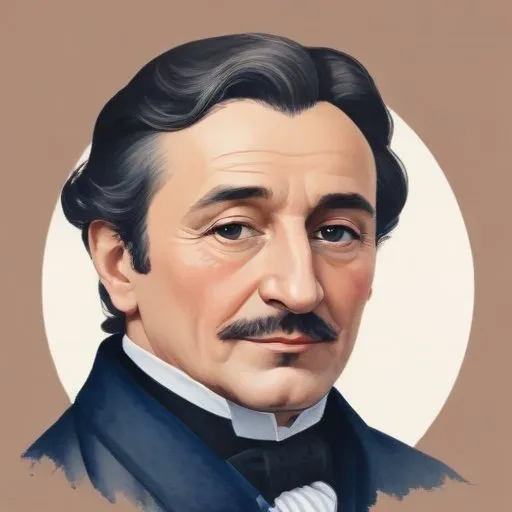
A French composer and educator who wrote music for various instruments and ensembles, and taught at the Paris Conservatory, shaping the country's musical landscape.
Charles-Louis Mion, a renowned French composer of the Baroque era, is best known for his exceptional motets and operas that resonated with the French royal family and nobility. His remarkable talent earned him the position of music teacher to Madame de Pompadour, and later, master of music to Les Enfants de France.
Born on December 17, 1699, Mion was the grandnephew of Michel Richard Delalande, a prominent composer and musician who taught him the art of music. This familial connection served as a catalyst for Mion's musical journey, which began at the tender age of 11 as a choirboy at the Sainte-Chapelle du Palais.
Mion's compositional prowess is evident in his numerous stage works, including:
These works showcased Mion's ability to craft music that captivated the hearts of his patrons and the French aristocracy.
Mion's talent and reputation led to his appointment as music teacher to Madame de Pompadour, a powerful patroness and influential figure in the French court. This position allowed him to further develop his craft and establish connections with prominent figures of the time.
Charles-Louis Mion's contributions to the world of music, particularly during the Baroque era, are undeniable. His works continue to inspire and influence contemporary composers, solidifying his place in the annals of musical history.
Mion's legacy serves as a testament to the power of music to transcend time and connect generations. His dedication to his craft and his patronage by the French royal family have left an indelible mark on the world of classical music.
Born in 1803
A French Romantic-era mastermind who composed iconic symphonies, operas, and orchestral works, revolutionizing classical music with his bold, expressive style.
Born in 1803
A French Romantic-era composer and music critic, known for his operas and ballets, particularly the music for "Giselle", which remains a cornerstone of the classical ballet repertoire.
Born in 1811
A French Romantic-era composer, he wrote operas that blended lyricism and drama, including the famous "Mignon" and "Hamlet", which are still performed today.
Born in 1818
A French Romantic-era composer and educator, renowned for his operas, particularly "Faust," which remains a staple of the operatic repertoire. His music is characterized by lyricism and dramatic flair.
Born in 1842
A French Romantic composer, renowned for his operas, particularly "Manon" and "Werther", which showcased his mastery of lyricism and dramatic flair.
Born in 1835
A French Romantic-era mastermind who composed iconic works like "The Carnival of the Animals" and "Danse Macabre", leaving an indelible mark on classical music.
Born in 1822
A Belgian organist and composer who created iconic works that blended Romanticism and Impressionism, leaving a lasting impact on classical music.
