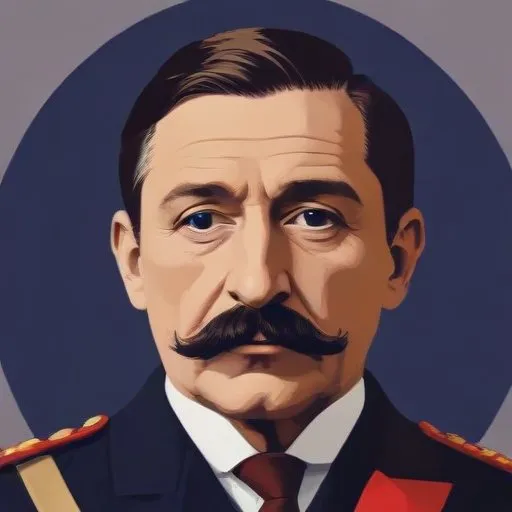
Charles Radclyffe: The Titular 5th Earl of Derwentwater and Jacobite Rebel
A Life of Defiance and Loyalty
Charles Radclyffe, born on September 3, 1693, was one of the few English participants in the Risings of 1715 and 1745, earning him the reputation as a devoted Jacobite and rebel. He is best known for his unwavering loyalty to the Stuart dynasty and his unrelenting efforts to restore them to the British throne.
Family and Early Life
Charles was the third and youngest son of Edward, 2nd Earl of Derwentwater, and Lady Mary Tudor, an illegitimate daughter of Charles II. His family, the Radclyffes, were Catholics from Northumberland, with strong ties to the exiled Stuarts. Charles' grandmother, Catherine Fenwick, came from another established Northumberland family, and his uncle, Sir John Fenwick, was executed in 1697 for conspiring to assassinate William III.
Career and Jacobite Uprisings
The Radclyffes' Catholicism and Stuart sympathies led Charles to participate in the Jacobite Risings of 1715 and 1745. After being sentenced to death in 1716, Charles escaped and spent the next 30 years in Europe, where he continued to plot and plan insurgencies to restore the Stuarts. In 1745, he was captured at sea, along with his eldest son, while en route to Scotland. Despite his efforts, Charles was executed on December 8, 1746, under the warrant issued in 1716.
Personal Life and Relationships
Charles married Charlotte Maria Livingston, daughter of the 2nd Earl of Newburgh, in 1724. They had two children, James and Mary. Charles also had a daughter, Jane, from a previous relationship with Margaret Snowden. Jane's story was later immortalized in Anya Seton's 1962 novel, "Devil Water".
Legacy and Historical Context
Charles Radclyffe's unwavering loyalty to the Stuart dynasty and his defiance of the British government have cemented his place in history as a prominent Jacobite rebel. His actions, though ultimately unsuccessful, highlight the complexities and divisions of 18th-century British politics. Charles' story serves as a testament to the enduring power of family ties, religious convictions, and political beliefs.
Trivia and Fun Facts
- Charles' brother, James, was educated at the exile court in Saint-Germain-en-Laye, where he was a companion to James Francis Edward Stuart.
- Charles' son, James, inherited his mother's title in 1755 and later settled in Slindon, West Sussex.
- Charles' grandmother, Catherine Fenwick, was from another established Northumberland family.
Through his turbulent life and ultimate sacrifice, Charles Radclyffe remains an important figure in British history, symbolizing the passion and devotion that defined the Jacobite cause.
FAQ
Who was Charles Radclyffe and what was his profession?
Charles Radclyffe was an English captain and politician, serving as a member of parliament and a naval officer in the 17th and 18th centuries.
What was Charles Radclyffes role in the English Navy?
Charles Radclyffe played a significant role in the English Navy, serving as a captain and commander, and participating in several notable naval battles and campaigns.
What was Charles Radclyffes political career like?
Charles Radclyffes political career was marked by his service as a member of parliament, where he represented various constituencies and worked on naval and maritime issues.
What was Charles Radclyffes relationship with King George I?
Charles Radclyffes relationship with King George I was complex, as he initially supported the king but later became disillusioned with his policies and ultimately opposed him.
What was Charles Radclyffes legacy?
Charles Radclyffes legacy is marked by his contributions to the English Navy, his commitment to public service, and his tumultuous political career, which reflects the complexities of 18th-century British politics.