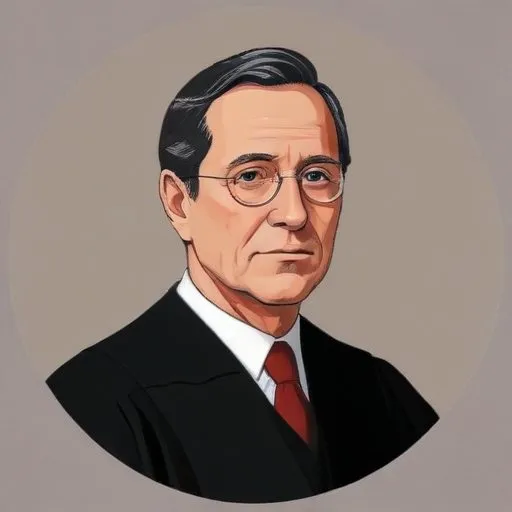
Charles W. Pickering: A Pillar of Justice and Courage
A Judicial Career Marked by Bravery and Conviction
Charles W. Pickering, a renowned American attorney, politician, and jurist, is best known for his unwavering commitment to upholding justice and his courageous stance against the Ku Klux Klan in the 1960s. Appointed as a United States district judge of the United States District Court for the Southern District of Mississippi and later serving on the United States Court of Appeals for the Fifth Circuit, Pickering's remarkable career has been a testament to his unshakeable dedication to the rule of law.
Early Life and Education
Born on May 29, 1937, in Laurel, Mississippi, Pickering attended Jones County Junior College before earning his Bachelor of Arts degree from the University of Mississippi at Oxford in 1959. He went on to obtain his law degree from the University of Mississippi School of Law in 1961.
A Career Defining Moment: Confronting the Ku Klux Klan
As a young prosecutor in the 1960s, Pickering worked closely with the FBI to bring members of the Ku Klux Klan to justice. His bravery was put to the test when he testified against Klan member Sam Bowers, who was being tried for the murder of civil rights activist Vernon Dahmer. After testifying, Pickering and his family required FBI protection, a testament to the danger he faced for standing up against the Klan.
Rise to Prominence
Pickering's courageous stance against the Klan did not go unnoticed. He was appointed as the city prosecuting attorney in Laurel and later elected as the Jones County prosecutor, serving four years in the position. His dedication to justice and his commitment to serving his community earned him a reputation as a pillar of integrity and courage.
Awards and Honors
In recognition of his exceptional service, Pickering received the
John F. Kennedy Profile in Courage Award in 2004 for his bravery in standing up against the Ku Klux Klan.
Personal Milestones and Key Life Events
- 1964: Switched affiliation from the Democratic Party to the Mississippi Republican Party, citing the humiliation and embarrassment of the Democratic Convention in Atlantic City, New Jersey.
- 1966: Testified against Klan member Sam Bowers, requiring FBI protection for himself and his family.
- 2004: Received the John F. Kennedy Profile in Courage Award for his bravery in standing up against the Ku Klux Klan.
Legacy and Impact
Charles W. Pickering's unwavering commitment to justice and his courageous stance against the Ku Klux Klan have left an indelible mark on the legal community and American society as a whole. His bravery serves as an inspiration to others, reminding us of the importance of standing up against injustice and fighting for what is right, even in the face of danger.
A Lasting Influence
Pickering's remarkable career has had a profound impact on the legal community, inspiring generations of attorneys and judges to stand up for justice and fight against injustice. His legacy serves as a reminder that courage, conviction, and a commitment to the rule of law are essential qualities for those seeking to make a positive impact on the world.
FAQ
What was Charles W. Pickerings career as a judge?
Charles W. Pickering served as a judge on the United States Court of Appeals for the Fifth Circuit from 2004 to 2014, presiding over numerous high-profile cases.
What were Charles W. Pickerings notable judicial opinions?
Charles W. Pickering wrote influential opinions on issues such as civil rights, employment law, and constitutional law during his time on the bench.
What was Charles W. Pickerings role in shaping American jurisprudence?
Charles W. Pickerings judicial decisions and writings contributed to the development of American law, particularly in the areas of civil rights and employment law.
What awards did Charles W. Pickering win?
Charles W. Pickering received the American Bar Associations John Marshall Award and the Federal Bar Associations Lifetime Achievement Award.
What is Charles W. Pickerings legacy in American law?
Charles W. Pickering is remembered as a distinguished jurist who made significant contributions to American law and jurisprudence.