


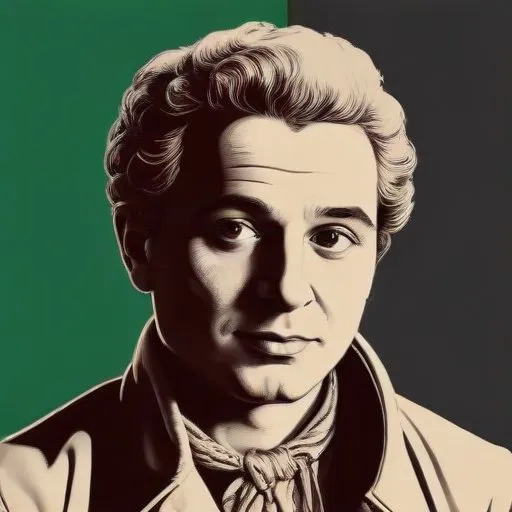
A 16th-century master of etching and engraving, renowned for his intricate and detailed prints, particularly in reproducing famous artworks. His work bridged the gap between Renaissance and Baroque styles.
Cherubino Alberti, also known as Borgheggiano, is renowned for his exquisite engravings and frescoes that adorned the walls of Roman palaces and churches during the late 16th century. His masterpieces, often created in collaboration with his brother Giovanni Alberti, continue to inspire art enthusiasts to this day.
Born in 1553 in Borgo San Sepolcro, Tuscany, Cherubino Alberti was born into a family of artists. His father, Alberto Alberti, was a carver and sculptor, and his brothers Alessandro and Giovanni were also artists. Cherubino's artistic talents were nurtured in Rome, where he studied under the guidance of Cornelius Cort, a prominent engraver.
In addition to his engravings, Alberti also made a name for himself as a fresco painter. His most celebrated work is the decoration of the Sala Clementina in the Vatican, which he completed with his brother Giovanni. This magnificent fresco showcases the brothers' mastery of color, composition, and technique.
At the time of his death in 1615, Cherubino Alberti was the Director of the Academy of Saint Luke, an association of artists. His contributions to the world of art are immeasurable, with over 180 engravings attributed to him. His works continue to inspire artists, art historians, and enthusiasts alike, offering a glimpse into the artistic splendor of the Renaissance era.
Cherubino Alberti's artistic legacy is a testament to his boundless talent, dedication, and passion for his craft. His works continue to inspire and awe, offering a window into the artistic excellence of the Renaissance era.
Born in 1575
A prominent Baroque painter and illustrator, renowned for his vivid and emotive depictions of mythological and religious scenes. His works are celebrated for their dramatic lighting and intense emotional power.
Born in 1581
A prominent painter of the Baroque period, known for his vivid and emotive depictions of mythological and biblical scenes, which greatly influenced the development of 17th-century art.
Born in 1582
A prominent Baroque painter, renowned for his dramatic use of light and color in grand, sweeping frescoes that adorned the ceilings of Italian churches. His work continues to inspire artists and architects today.
Born in 1578
A prominent painter of the Bolognese School, known for his elegant and lyrical depictions of mythological and religious scenes, often featuring soft, golden light and gentle, curved lines.
Born in 1591
A prominent figure in the Baroque period, known for dramatic lighting and intense emotions in his paintings, which often featured mythological and biblical subjects. His works showcased a unique blend of realism and dramatic flair.
Born in 1599
A 17th-century painter who revolutionized Roman Baroque art with his innovative use of color and composition, creating dramatic and emotive works that captivated the art world.
Born in 1596
A prominent Baroque painter who created elaborate, dramatic, and emotive works that adorned the ceilings of Roman palaces and churches, influencing the development of 17th-century art.
Born in 1598
A renowned Baroque master who crafted exquisite sculptures and paintings that captivated 17th-century Rome, leaving an indelible mark on the art world.
