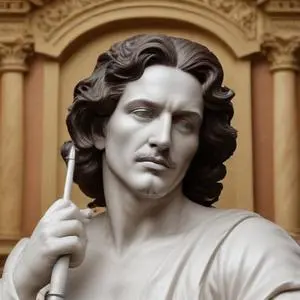
The Visionary Sculptor: Gian Lorenzo Bernini
The Father of Baroque Sculpture
Gian Lorenzo Bernini, the renowned Italian sculptor, is credited with creating the Baroque style of sculpture, leaving an indelible mark on the art world. With a style that blended dramatic lighting, intense emotions, and exquisite detail, Bernini's creations continue to awe and inspire, earning him the title of the first pan-European sculptor.
Early Life and Influences
Born on December 7, 1598, in Naples, Italy, Bernini was the son of Angelica Galante and Mannerist sculptor Pietro Bernini. His father, originally from Florence, played a significant role in shaping Bernini's artistic vision. The young Bernini was heavily influenced by his father's work and was apprenticed to him at a tender age.
A Multifaceted Artist
Bernini's talent extended far beyond sculpture. He was a master of various art forms, including painting, architecture, and theatre. He wrote, directed, and acted in plays, mostly Carnival satires, and designed stage sets and theatrical machinery. His designs for decorative art objects, such as lamps, tables, mirrors, and even coaches, showcased his incredible versatility.
Architectural Marvels
As an architect and city planner, Bernini designed secular buildings, churches, chapels, and public squares. His most notable architectural contributions include the magnificent St. Peter's Basilica in Rome and the Fountain of the Four Rivers in Piazza Navona. These masterpieces demonstrate his ability to synthesize sculpture, painting, and architecture into a coherent conceptual and visual whole.
Unparalleled Technical Skill
Bernini's technical prowess in manipulating marble earned him recognition as a worthy successor to Michelangelo. His boundless compositional inventiveness and sheer skill in marble carving set him apart from his contemporaries. Bernini's ability to create intricate, lifelike sculptures that seemed to pulse with energy and emotion captivated audiences and inspired generations of artists.
Legacy and Impact
Bernini's influence on modern society is undeniable. His innovative use of light and shadow, intense emotional expressions, and fusion of art forms have inspired countless artists, architects, and designers. He has been dubbed the "first pan-European sculptor," and his work continues to be celebrated and studied worldwide.
Quotes and Memorable Sayings
- "The most useful thing in the world is copper, because it is the material of which statues are made." - Gian Lorenzo Bernini
Awards and Honors
Bernini received numerous accolades and honors during his lifetime, including the prestigious Knighthood of the Golden Spur from Pope Innocent X.
Personal Milestones and Key Life Events
- Born on December 7, 1598, in Naples, Italy
- Apprenticed to his father, Pietro Bernini, at a young age
- Received the Knighthood of the Golden Spur from Pope Innocent X
- Died on November 28, 1680, in Rome, Italy
Trivia and Fun Facts
- Bernini's designs were so influential that he was summoned to France in 1665 to create a new palace for King Louis XIV.
- He was known for his intense rivalry with fellow sculptor Alessandro Algardi.
Bernini's breathtaking creations, innovative techniques, and boundless creativity have cemented his place as one of the greatest artists of all time. His legacy continues to inspire and awe, reminding us of the transformative power of art to shape our understanding of the world and ourselves.
FAQ
Who was Gian Lorenzo Bernini, and what was his role in Italian art?
Gian Lorenzo Bernini was a renowned Italian sculptor and painter, widely regarded as one of the greatest artists of the Baroque period.
What are some of Gian Lorenzo Berninis most famous works?
Gian Lorenzo Berninis most famous works include his sculptures David, Apollo and Daphne, and Ecstasy of Saint Teresa, as well as his numerous architectural projects, including St. Peters Square and the Fountain of the Four Rivers.
What was Gian Lorenzo Berninis style and influence?
Gian Lorenzo Berninis style was characterized by intense emotionalism, dynamic movement, and exquisite detail, influencing countless artists, architects, and sculptors across Europe.
How did Gian Lorenzo Berninis art reflect his Catholic faith?
Gian Lorenzo Berninis art often reflected his deep Catholic faith, as seen in his numerous depictions of saints, biblical scenes, and allegorical themes, which conveyed a sense of spiritual intensity and devotion.
What was Gian Lorenzo Berninis legacy?
Gian Lorenzo Berninis legacy is marked by his profound impact on the development of Baroque art, his technical innovations, and his continued influence on art, architecture, and design to this day.