


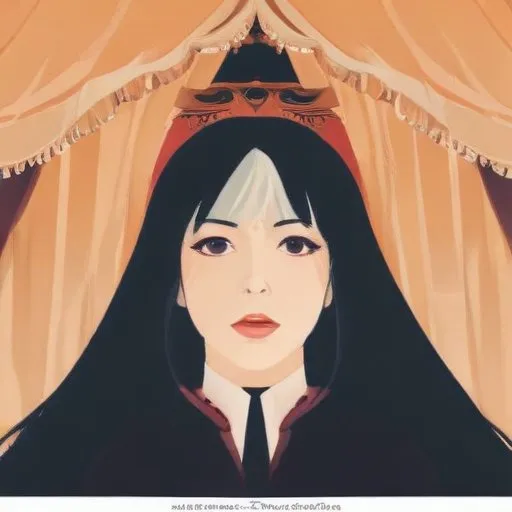
A renowned contralto opera singer celebrated for her powerful, rich voice and iconic performances in London's Royal Opera House and beyond. She was a beloved national treasure in Britain during the early 20th century.
Clara Butt was a renowned English contralto, widely regarded as one of the most popular singers of her time. With a voice that spanned an extraordinary range, she captivated audiences from the 1890s to the 1920s, earning the title "Queen of Song."
Born on February 1, 1872, in Southwick, Sussex, Clara Butt was the eldest daughter of a sea captain and his wife. She grew up in Bristol, where her exceptional talent for singing was recognized and nurtured. She received her early training from Daniel Rootham, the musical director of the Bristol Festival Chorus, and later won a scholarship to the Royal College of Music (RCM) in 1890.
Butt made her professional debut at the Royal Albert Hall in London on December 7, 1892, in Sullivan's cantata The Golden Legend. Just three days later, she appeared as Orfeo in Gluck's Orfeo ed Euridice at the Lyceum Theatre. Her powerful, agile voice and stunning stage presence quickly won her critical acclaim and public adoration.
Butt's exceptional talent inspired some of the most prominent composers of her time. Camille Saint-Saëns and Edward Elgar were among those who wrote music specifically for her voice. In fact, Elgar composed his Sea Pictures, Op. 37 with Butt's unique voice in mind.
In addition to her successful concert and recital career, Butt was a pioneer in the field of recording. She made numerous recordings for the gramophone, introducing her voice to a wider audience and helping to popularize recorded music.
In 1900, Butt married Kennerley Rumford, a baritone who became her frequent recital partner. The couple had one son, Clifford, and were known for their dedication to charitable causes, including supporting the war effort during World War I.
Clara Butt's legacy extends far beyond her impressive vocal talent. She played a significant role in promoting British music and culture, both at home and abroad. Her contributions to the world of music continue to inspire and delight audiences to this day.
Butt was awarded the Royal Philharmonic Society's Gold Medal in 1926, a testament to her outstanding contributions to music. She was also appointed a Dame Commander of the Order of the British Empire (DBE) in 1925.
Born in 1873
The most popular operatic tenor of the early 20th century and the first great recording star, known for his powerful and emotive voice that captivated audiences worldwide through his recordings and live performances.
Born in 1873
A renowned Russian opera singer celebrated for his powerful, expressive voice and iconic performances in roles like Boris Godunov, bringing opera to the masses through his charismatic stage presence.
Born in 1843
A renowned 19th-century opera singer celebrated for her powerful, expressive voice and captivating stage presence, earning her the title "Queen of Song."
Born in 1897
American operatic soprano renowned for her powerful, expressive voice and iconic performances in Verdi's La Forza del Destino and Puccini's La Tosca. She was a leading lady of the Metropolitan Opera in the 1920s and 1930s.
