


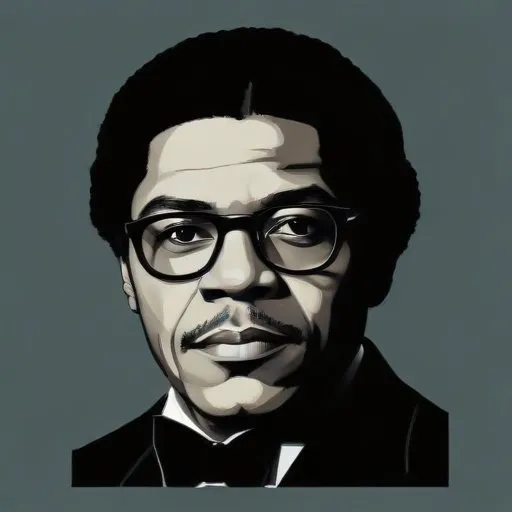
A pioneering figure in jazz, blending traditional and modern styles, creating a unique sound that influenced generations of musicians.
Clarence Williams, a multifaceted American jazz pianist, composer, promoter, vocalist, theatrical producer, and publisher, left an indelible mark on the world of music and beyond. Born in Plaquemine, Louisiana, in either 1893 or 1898, Williams' contributions to the Harlem Renaissance, his entrepreneurial spirit, and his collaborative nature cemented his position as a luminary of his time.
Williams' remarkable career spanned decades, earning him recognition for his groundbreaking work in the music industry. His entrepreneurial ventures, including his music publishing business with Armand J. Piron, made him the leading African-American owned music publisher in the country by the 1920s.
At just 12 years old, Williams ran away from home to join Billy Kersands Traveling Minstrel Show, marking the beginning of his journey in the entertainment industry. He eventually made his way to New Orleans, where he worked as a singer, master of ceremonies, and pianist, earning recognition as a local entertainer by the early 1910s.
Williams' big break came in 1915 when he co-founded a music publishing business with Armand J. Piron. This venture propelled him to success, and by the 1920s, he was a well-established figure in the music industry. He went on to work with the legendary W. C. Handy and eventually settled in New York City, where he became an integral part of the Harlem Renaissance.
In 1921, Williams married blues singer and stage actress Eva Taylor, with whom he frequently performed. The couple shared a vision of creating a community where African-American artists could thrive, free from racial discrimination. They purchased a large house in Queens, which became a gathering place for artists, musicians, and intellectuals, hosting parties and events that attracted notable figures like Langston Hughes, Zora Neale Hurston, and Duke Ellington.
Williams' contributions to the Harlem Renaissance were multifaceted. As a pianist and composer, he created music that reflected the cultural and artistic explosion of the time. As a promoter and producer, he provided a platform for African-American artists to showcase their talents. His home in Queens became a hub for creative collaboration, fostering a sense of community and camaraderie among artists.
Williams' legacy extends beyond his music and entrepreneurial ventures. He believed in the power of art to bring people together and challenge societal norms. His commitment to creating spaces for African-American artists to thrive reflected his dedication to promoting equality and celebrating diversity.
Although Williams' quotes are scarce, his music and legacy speak volumes about his creative spirit and commitment to his community. His life's work serves as a testament to the power of perseverance, innovation, and collaboration.
Clarence Williams' impact on American music and culture cannot be overstated. As a pioneer of the Harlem Renaissance, he helped shape the cultural landscape of the 1920s and beyond. His entrepreneurial spirit, creative genius, and commitment to community building have inspired generations of artists and continue to reverberate today.
Williams' contributions to music and his community have been recognized with various awards and honors, solidifying his position as a legend in the world of jazz and beyond.
Williams' unique blend of creative talent, business acumen, and community spirit set him apart from his contemporaries. While he shared the stage with luminaries like Duke Ellington and Langston Hughes, his holistic approach to art and community building distinguished him as a true visionary of his time.
Williams' influence on popular culture extends beyond his own music and legacy. His contributions to the Harlem Renaissance helped shape the cultural narrative of the 20th century, paving the way for future generations of artists, musicians, and performers.
Clarence Williams' remarkable life and legacy continue to inspire and captivate audiences today. As a testament to the power of creativity, perseverance, and community building, his story serves as a beacon of hope and a reminder of the transformative power of art.
Born in 1904
A virtuosic pianist and singer-songwriter who blended jazz, blues, and stride piano to create infectious, energetic tunes that still delight audiences today. Known for his soulful, raspy vocals and iconic hits like "Ain't Misbehavin'" and "Honeysuckle Rose".
Born in 1894
A pioneering figure in stride piano, he created a unique blend of jazz, blues, and ragtime, influencing generations of musicians, including Fats Waller and Duke Ellington.
Born in 1887
A renowned pianist and composer, he was a leading figure in the development of ragtime music, creating iconic songs like "Memories of You" and "I'm Just Wild About Harry".
Born in 1894
A powerful blues singer known for her soulful, raspy voice and emotive performances, often referred to as "The Empress of the Blues".
Born in 1886
A pioneering blues singer-songwriter known for her powerful, soulful voice and hit songs like "Bo-Weavil Blues" and "See See Rider". She was a key figure in the development of Chicago blues.
Born in 1883
A pioneering African American blues singer and entertainer, known for being one of the first to record blues music and gain widespread popularity in the 1920s.
Born in 1896
A trailblazing jazz and blues singer, actress, and Broadway performer who broke racial barriers in the entertainment industry with her smooth, sultry voice and captivating stage presence.
Born in 1899
A legendary jazz pianist, composer, and bandleader who revolutionized the genre with his unique style and iconic compositions, such as "Take the A Train" and "Mood Indigo".
