


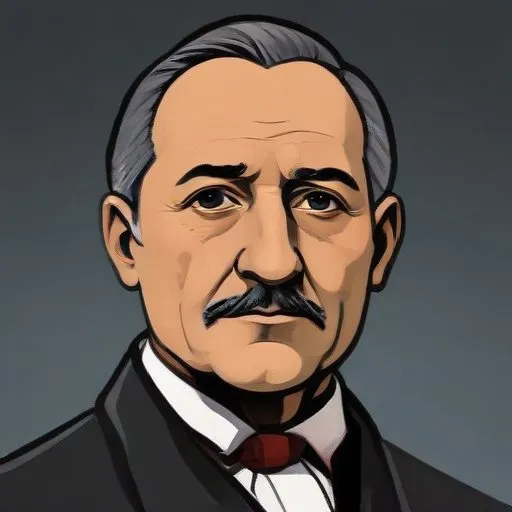
A German Romantic-era composer, known for his operas, particularly "Das Nachtlager in Granada", which premiered in 1834 and remains a beloved classic in the opera repertoire.
Conradin Kreutzer, a renowned German composer and conductor, is best known for his operas and incidental music that enthralled audiences in the 19th century. His magnum opus, , remains a testament to his ingenuity and artistry, keeping the stage alive for half a century despite the shifting winds of musical taste.
Born on November 22, 1780, in Mekirch, Baden, Kreutzer initially pursued law studies at the University of Freiburg. However, his passion for music soon led him to abandon his legal ambitions and head to Vienna, where he befriended luminaries like Ludwig van Beethoven and Joseph Haydn. It is believed that he may have studied with Johann Georg Albrechtsberger, a prominent composer and theorist of the time.
Kreutzer's talent and dedication soon paid off, as he began to make a name for himself in Stuttgart, where at least three of his operas were staged between 1811-1812. This success earned him the coveted post of Hofkapellmeister, a position that marked the beginning of his illustrious career.
Kreutzer's operas, including
In addition to his operatic output, Kreutzer made significant contributions to the realm of chamber music. His Septet for wind and strings, Op. 62, remains a staple in the chamber music repertoire to this day, a testament to his innovative spirit and melodic flair.
Kreutzer's music had a profound impact on the development of German opera and Romantic music as a whole. His daughters, Cecilia and Marie Kreutzer, both sopranos of renown, carried on his legacy, ensuring that his music continued to inspire and delight audiences long after his passing in 1849.
Kreutzer's life and work serve as a testament to the power of creative passion and dedication. As we celebrate his remarkable achievements, we are reminded of the enduring beauty and significance of his music, which continues to enchant and inspire us to this day.
Born in 1770
A musical genius who expanded the possibilities of classical music, creating iconic symphonies and piano sonatas that continue to inspire and influence generations of artists.
Born in 1797
A renowned composer of symphonies, operas, and chamber music, particularly famous for his emotional and expressive lieder (art songs) that showcased his mastery of melody and harmony.
Born in 1792
Operatic mastermind behind iconic comedies like "The Barber of Seville" and "William Tell," crafting catchy, witty, and playful music that still delights audiences today.
Born in 1809
A renowned 19th-century musician who masterfully blended classical and romantic styles, creating iconic works like the "Wedding March" and "Elijah" oratorio. His compositions continue to inspire and influence generations of artists.
Born in 1810
A renowned Romantic-era composer and influential music critic, known for his expressive and emotionally charged works, including symphonies, piano music, and art songs.
Born in 1833
A renowned pianist and composer, he crafted complex, expressive works that blended traditional and innovative techniques, leaving an indelible mark on classical music.
Born in 1813
A revolutionary composer who transformed opera with his epic, mythological works, creating a new era of musical storytelling. His iconic operas, such as "Der Ring des Nibelungen," continue to captivate audiences worldwide.
Born in 1813
A renowned composer of iconic operas like La Traviata and Aida, known for his masterful blending of drama and music. His works continue to captivate audiences worldwide.
