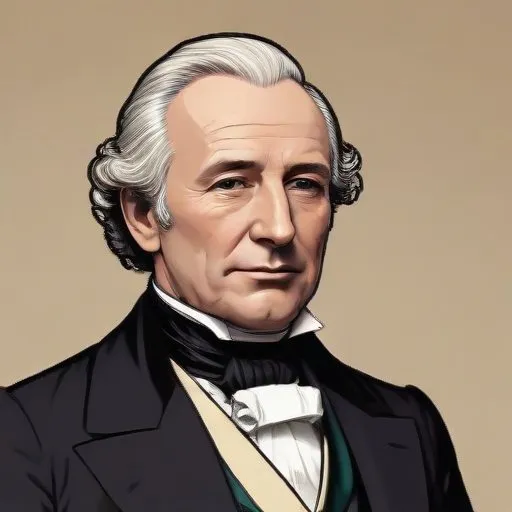
Cornelius Vanderbilt III: The Innovator and Humanitarian
A Legacy of Invention and Adventure
Cornelius Vanderbilt III, a member of the esteemed Vanderbilt family, left an indelible mark on American history through his groundbreaking inventions, military service, and philanthropic efforts. As a multifaceted individual, he is best known for his innovative contributions to the fields of mechanical engineering and transportation, earning him numerous patents and accolades.
Early Life and Education
Born on September 5, 1873, in New York City, Vanderbilt was the son of
Cornelius Vanderbilt II and Alice Claypoole Gwynne. He received a private education and later attended St. Paul's School in Concord, New Hampshire. Vanderbilt went on to graduate from Yale University with a Bachelor of Arts degree in 1895, followed by a Bachelor of Philosophy degree in 1898 and a Master of Engineering degree in mechanical engineering in 1899.
A Marriage of Love and Disinheritance
Against his father's wishes, Vanderbilt married Grace Graham Wilson in August 1896, which led to his disinheritance. However, this did not deter him from pursuing his passions and eventually earning a significant portion of his father's estate.
Innovations and Inventions
Vanderbilt's inventive spirit led to the development of over thirty patented inventions, primarily focused on improving locomotives and freight cars. Some of his most notable contributions include:
- A corrugated firebox for locomotives, resulting in substantial fuel efficiency increases
- A cylindrical styled tank car for bulk oil transport
- A revolutionary type of locomotive tender
These innovations not only brought him significant royalty income but also paved the way for modern transportation advancements.
Military Service and Philanthropy
Vanderbilt served as a brigadier general in the United States Army, dedicating his life to public service and humanitarian efforts. His commitment to the betterment of society was evident in his charitable work and generosity.
Personal Milestones and Legacy
Throughout his life, Vanderbilt remained devoted to his wife, Grace, and their two children, Cornelius IV and Grace. Despite his father's initial disapproval, Vanderbilt eventually reconciled with his mother, and his legacy continues to inspire generations through his remarkable inventions, military service, and philanthropic endeavors.
Remembering a Life of Innovation and Adventure
Cornelius Vanderbilt III's remarkable life serves as a testament to the power of innovation, perseverance, and humanitarianism. As we reflect on his accomplishments, we are reminded that even the most privileged among us can make a profound impact on the world. Vanderbilt's legacy continues to inspire, and his story serves as a beacon of hope for those striving to make a difference.
FAQ
What was Cornelius Vanderbilt IIIs military career like?
Cornelius Vanderbilt III was an American general and engineer who served in the United States Army during World War I. He was decorated for his bravery and later became a prominent figure in American society.
What were Cornelius Vanderbilt IIIs achievements as an engineer?
Vanderbilt was a talented engineer who worked on several high-profile projects, including the construction of the Panama Canal. He was known for his innovative approaches and technical expertise.
How did Cornelius Vanderbilt IIIs wealth and social status impact his life?
Vanderbilt was a member of the wealthy Vanderbilt family and inherited a significant fortune. He used his wealth to pursue his interests and promote social causes, but also faced challenges and controversies related to his privileged status.
What was Cornelius Vanderbilt IIIs legacy in American history?
Vanderbilt is remembered as a prominent figure in American history, known for his military service, engineering achievements, and philanthropic efforts. He played a significant role in shaping American society and culture.
How did Cornelius Vanderbilt IIIs life reflect the social and economic changes of his time?
Vanderbilts life reflected the significant social and economic changes of the early 20th century, including the rise of industrial capitalism, the growth of the military-industrial complex, and the changing role of the wealthy elite.