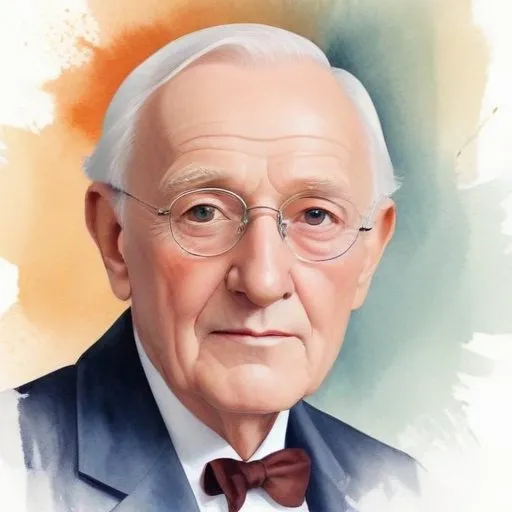
Cyril Norman Hinshelwood: The Nobel Laureate Behind the Chemistry of Rapid Reactions
A Pioneer in Chemical Kinetics
Cyril Norman Hinshelwood, a British chemist, is renowned for his groundbreaking work on the chemistry of rapid reactions, earning him the Nobel Prize in Chemistry in 1956. His research on the kinetics of chemical reactions shed light on the intricate dance of molecules, transforming our understanding of the very fabric of chemistry.
Early Life and Education
Born on June 19, 1897, in London, England, Hinshelwood developed an early fascination with chemistry, encouraged by his parents. He pursued his passion at Balliol College, Oxford, where he earned his Bachelor's degree in 1920. His academic excellence earned him a scholarship to pursue research under the guidance of Dr.
Frederick Soddy, a Nobel laureate himself.
Career Highlights and Major Works
Hinshelwood's research focused on the kinetics of gas reactions, particularly the decomposition of gases and the reaction between hydrogen and chlorine. His work led to the development of the Hinshelwood mechanism, which describes the steps involved in a chemical reaction. This fundamental concept has far-reaching implications in fields like catalysis, combustion, and atmospheric chemistry.
- His 1926 paper, "The Kinetics of Chemical Change in Gaseous Systems," laid the foundation for the study of chemical kinetics.
- In 1933, he published "The Kinetics of Chemical Change," a seminal book that solidified his reputation as a leading authority in the field.
Philosophical Contributions and Beliefs
Hinshelwood's work extended beyond the realm of chemistry, as he delved into the philosophical aspects of science. He believed that the pursuit of knowledge should be driven by curiosity rather than practical applications. This mindset allowed him to approach problems with a unique perspective, often leading to innovative solutions.
Awards and Honors
In addition to the Nobel Prize in Chemistry (1956), Hinshelwood received numerous accolades for his contributions to science:
- Royal Medal (1946)
- Copley Medal (1962)
- Faraday Lectureship (1946)
Personal Milestones and Key Life Events
Hinshelwood's personal life was marked by simplicity and a love for nature. He was an avid gardener and enjoyed long walks in the countryside. He never married, devoting his life to his research and teaching.
Legacy and Impact
Hinshelwood's work has had a profound impact on our understanding of chemical reactions, influencing fields like materials science, environmental science, and biotechnology. His legacy continues to inspire generations of scientists, encouraging them to explore the intricacies of chemistry.
"The pursuit of knowledge is a never-ending journey, and the greatest rewards come from the journey itself, not the destination."
As we reflect on Hinshelwood's remarkable life and achievements, we are reminded of the power of human curiosity and the boundless potential of the human mind. His contributions to science have forever changed the landscape of chemistry, leaving an indelible mark on the history of scientific discovery.
FAQ
What was Cyril Norman Hinshelwoods contribution to the field of chemistry?
Hinshelwood was a pioneer in the field of chemical kinetics, researching the mechanisms of chemical reactions and earning the Nobel Prize in Chemistry in 1956.
How did Cyril Norman Hinshelwoods work influence the development of modern chemistry?
Hinshelwoods groundbreaking research on reaction rates and mechanisms established the foundation for modern chemical kinetics, enabling significant advancements in fields like catalysis and materials science.
What was Cyril Norman Hinshelwoods approach to scientific research?
Hinshelwood was known for his meticulous attention to detail and innovative experimental methods, which allowed him to uncover complex chemical phenomena.
How did Cyril Norman Hinshelwood balance his scientific pursuits with his love of literature?
Hinshelwood was an accomplished linguist and writer, publishing several books on literature and philosophy, and finding solace in his love of words amidst the demands of scientific research.
What is Cyril Norman Hinshelwoods legacy in the history of science?
Cyril Norman Hinshelwoods pioneering work in chemical kinetics has left an indelible mark on the scientific community, inspiring generations of researchers and earning him a place among the greatest chemists of the 20th century.