


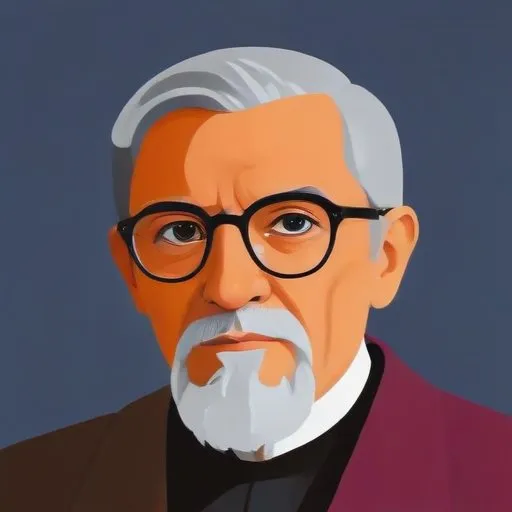
A 17th-century theologian and controversialist who engaged in heated debates and wrote extensively on religious topics, shaping the Church of England's doctrine and practices.
Daniel Featley, also known as Fairclough or Richard FaircloughFeatley, was a prominent English theologian and controversialist of the 17th century. He is best known for his unwavering loyalty to King Charles I of England, which ultimately led to his downfall and imprisonment.
Born on March 15, 1582, in Charlton-upon-Otmoor, Oxfordshire, Featley was the second son of John Fairclough, a cook to Laurence Humphrey, President of Magdalen College, Oxford. His father's connections helped Featley secure a chorister position at Magdalen College, where he was educated.
Featley's godfather and benefactor, John Rainolds, President of Corpus Christi College, played a significant role in his early life. Rainolds, a leading Puritan spokesman, recognized Featley's potential and guided him in his academic pursuits. Featley went on to become a scholar of Corpus Christi College in 1594 and a probationer fellow in 1602.
Featley's exceptional oratory skills and disputational prowess earned him recognition as a talented theologian. In 1607, he delivered a stirring oration at Rainolds' funeral, which further solidified his reputation. His attacks on Catholic doctrine and disputations with Jesuits during his time as chaplain to Sir Thomas Edmondes, the English ambassador at Paris, showcased his intellectual prowess.
Featley's preaching talents led to his appointment as domestic chaplain to George Abbot, Archbishop of Canterbury. He was an outspoken critic of Catholicism, which often landed him in controversy. Despite this, he continued to preach and write, producing 21 sermons during his time in Paris.
Featley's unyielding loyalty to King Charles I during the English Civil War led to his downfall. His support for the monarchy put him at odds with Parliament, which ultimately resulted in his imprisonment. Despite his plight, Featley continued to write and preach, leaving behind a legacy of theological works.
Despite the controversies surrounding him, Featley's contributions to theology and his unwavering commitment to his beliefs have left a lasting impact on English religious history. His writings, though often provocative, continue to influence theological discourse to this day.
Daniel Featley's tumultuous life serves as a testament to the power of conviction and the importance of standing by one's beliefs, even in the face of adversity. His legacy, though marked by controversy, continues to inspire and provoke theological discussion to this day.
Born in 1573
A 17th-century poet and cleric who penned powerful, metaphysical sonnets that explored themes of love, death, and spirituality. His works are celebrated for their complex, intricate language and profound insights into the human experience.
Born in 1593
A metaphysical poet and Anglican priest, he crafted intricate, symbolic, and introspective verse that explored the human condition and spirituality. His poetry is revered for its lyricism, depth, and emotional resonance.
Born in 1924
Prolific author of macabre and suspenseful novels, often blending elements of horror, mystery, and dark humor, with works adapted into successful films and TV shows.
Born in 1615
A 17th-century Puritan minister, poet, and theologian who wrote influential works on theology and Christian living, shaping the development of English Puritanism.
