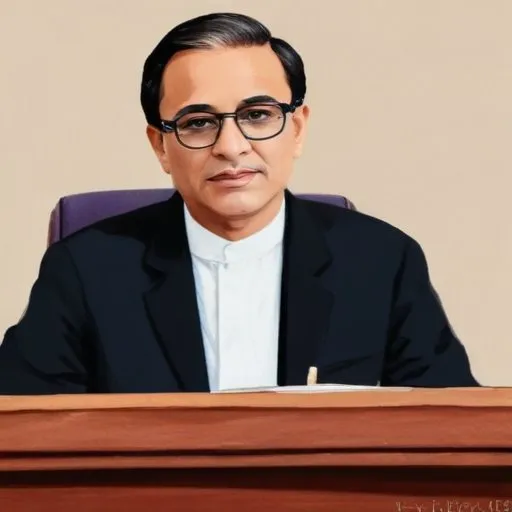
Dhirendranath Datta: The Unwavering Advocate for a United Bengal
A Life Dedicated to Politics and Social Welfare
Dhirendranath Datta, a Bengali lawyer, politician, and social worker, is remembered for his fervent opposition to the partition of Bengal and his tireless efforts to promote social welfare in the region. As a prominent figure in the Indian independence movement, Datta's life was marked by his unwavering commitment to the cause of a united Bengal.
Early Life and Education
Born on November 2, 1886, in Ramrail, Brahmanbaria District, Bengal Province (now Bangladesh), Datta hailed from an aristocratic Kayastha family. His father, Jagabandhu Datta, was a lawyer who introduced Dhirendranath to the legal profession at a young age. Datta's educational pursuits took him to Nabinagar High School, Comilla Zilla School, and eventually Ripon College in Calcutta.
A Career Marked by Social Consciousness
Datta began his career as a school teacher, eventually becoming the assistant headmaster of Bangora High School in Comilla. His social consciousness was evident in his leadership of the relief effort following the devastating floods of 1915. This experience inspired him to form the Mukti Sangha, a welfare organization, after being influenced by
Mahatma Gandhi's ideals. Datta's dedication to social welfare continued until the Bengal Famine of 1943.
Political Activism and the Struggle for a United Bengal
Datta's entry into politics was marked by his strong opposition to the Bengal Partition of 1905. He worked closely with prominent anti-partition activists, including
Surendranath Banerjee and
Rabindranath Tagore. In 1937, Datta was elected to the Bengal Legislative Council and later joined the Indian National Congress from Mymensingh District. His participation in the Quit India movement of 1942 led to his arrest by the British rulers of India.
A Firm Stance Against Partition
Although Datta firmly opposed the creation of Pakistan and the partition of India on religious lines, he opted to remain in Comilla, his home district, when it became clear that it would be part of the new Muslim-majority state. This decision was a testament to his unwavering commitment to the cause of a united Bengal.
Legacy and Impact
Dhirendranath Datta's life was a testament to his unyielding dedication to the welfare of the people of Bengal. His legacy serves as a reminder of the importance of social responsibility and the need for individuals to stand against forces that seek to divide and fragment society. As a champion of the rights of the people, Datta's contributions continue to inspire generations to strive for a more united and equitable world.
Personal Milestones and Key Life Events
- Born on November 2, 1886, in Ramrail, Brahmanbaria District, Bengal Province (now Bangladesh)
- Early education at Nabinagar High School, Comilla Zilla School, and Ripon College in Calcutta
- Began career as a school teacher and eventually became assistant headmaster of Bangora High School in Comilla
- Formed the Mukti Sangha, a welfare organization, in 1915
- Elected to the Bengal Legislative Council in 1937
- Participated in the Quit India movement of 1942 and was arrested by the British rulers of India
- Disappeared on March 29, 1971, at the age of 84
Awards and Honors
Although Dhirendranath Datta's life was marked by his selfless contributions to society, he did not receive any notable awards or honors. However, his legacy continues to inspire generations, and his contributions to the cause of a united Bengal remain an enduring testament to his courage and conviction.
FAQ
Who was Dhirendranath Datta and what was his role in Pakistani politics?
Dhirendranath Datta was a Pakistani lawyer and politician who played a key role in the countrys early political development. He was a member of the Constituent Assembly of Pakistan and served as the Minister of Health and Education.
What was Dhirendranath Dattas stance on the language issue in Pakistan?
Dhirendranath Datta was a strong advocate for the recognition of Bengali as one of the national languages of Pakistan, alongside Urdu. He believed that language was an important part of a nations identity and culture.
How did Dhirendranath Datta contribute to the development of Pakistans education system?
Dhirendranath Datta was a strong believer in the importance of education and worked tirelessly to improve Pakistans education system. He introduced reforms to increase access to education, particularly for women and minorities.
What is Dhirendranath Dattas legacy in Pakistani politics?
Dhirendranath Dattas legacy in Pakistani politics is that of a dedicated public servant who worked to promote the interests of the country and its people. He is remembered for his commitment to democracy, social justice, and human rights.
Are there any memorials or tributes to Dhirendranath Datta?
Yes, there are several memorials and tributes to Dhirendranath Datta in Pakistan. The Dhirendranath Datta Memorial Trust was established to promote education and social service in the country, and there are several institutions and scholarships named in his honor.